pattern

同意と反対 - Disagreement

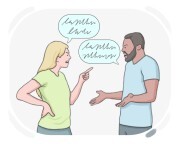
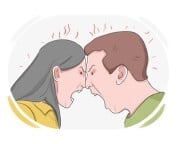
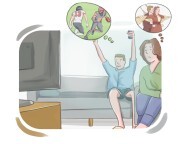
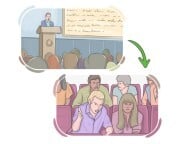
ここでは、「反対」「口論」「衝突」など、意見の相違に関連する英語の単語を学びます。

review-disable

レビュー

flashcard-disable

フラッシュカード

spelling-disable

綴り

quiz-disable

クイズ

学習を開始
Words Related to Agreement and Disagreement

to do something that is very likely to result in trouble or difficulty

Ex: Joining that contentious online debate and expressing strong opinions is a sure way to ask for trouble and confrontation with other users.
adversary
[名詞]

a person that one is opposed to and fights or competes with

敵, 対戦相手

敵, 対戦相手

Ex: The general planned his tactics carefully to counter the enemy 's adversary.将軍は敵の**敵**に対抗するために戦術を慎重に計画した。
against
[前置詞]

in opposition to someone or something

に対して

に対して

Ex: We must protect the environment against pollution .私たちは環境を汚染 **から** 守らなければなりません。

used when a situation suddenly becomes very intense or chaotic

Ex: When the news of the scandal hit the headlines, all hell broke out in the political arena, leading to resignations and investigations.
altercation
[名詞]

a noisy dispute

口論, 騒々しい争い

口論, 騒々しい争い

Ex: The manager intervened to break up the altercation among the employees .マネージャーは従業員間の**口論**を止めるために介入した。
anti
[前置詞]

used to convey that one is against something

反

Ex: They formed an anti-bullying committee at the school to protect students and foster a safe environment.彼らは学生を保護し、安全な環境を育むために学校で**反**いじめ委員会を結成しました。
to argue
[動詞]

to speak to someone often angrily because one disagrees with them

言い争う, 口論する

言い争う, 口論する

Ex: She argues with her classmates about the best football team.彼女は最高のサッカーチームについてクラスメートと**議論する**。
argument
[名詞]

a discussion, typically a serious one, between two or more people with different views

議論, 討論

議論, 討論

Ex: They had an argument about where to go for vacation .彼らは休暇にどこへ行くかについて**議論**した。

to deny a statement

反論する, 否定する

反論する, 否定する

Ex: He often argues with the idea that hard work alone guarantees success , emphasizing the importance of opportunity and timing .彼はしばしば、努力だけが成功を保証するという考えに**反論し**、機会とタイミングの重要性を強調します。
argumentative
[形容詞]

(of a person) ready to argue and often arguing

議論好きな,  論争的な

議論好きな, 論争的な

Ex: Despite his argumentative tendencies , he was respected for his critical thinking skills .彼の**議論好き**な傾向にもかかわらず、批判的思考力で尊敬されていた。

used to introduce a statement that presents a truth or reality, often to clarify or emphasize something

Ex: You may believe it's a rumor, but as a matter of fact, the company has officially announced the merger
athwart
[前置詞]

opposite to

に逆らって, に反して

に逆らって, に反して

in serious disagreement with someone

Ex: The team members were at loggerheads regarding the project approach, causing delays and inefficiencies in the workflow.
at odds
[]

(of opinions) in complete disagreement with each other

Ex: The committee members were at odds over the proposed changes to the policy, highlighting differing perspectives on the matter.

used when two or more people, groups, or organizations fight or disagree with one another

Ex: The neighbors were at each other's throats over a property dispute, leading to a protracted legal battle.
bad feelings
[名詞]

feeling of anger between people, particularly because of an argument

悪い感情,  憤り

悪い感情, 憤り

to forcefully make people stop arguing and start behaving appropriately

battle
[名詞]

a situation in which opposing sides argue or compete with one another to achieve something

戦い, 闘争

戦い, 闘争

battle line
[名詞]

the dividing line between opposing sides in a conflict or confrontation

戦線, 前線

戦線, 前線

Ex: The battle lines were drawn over the proposed budget cuts .提案された予算削減をめぐって**戦線**が引かれた。
battleground
[名詞]

a subject of dispute; a situation in which people disagree

戦場, 論争の場

戦場, 論争の場

to confront someone very powerful or dangerous in their area of control and strength, where they hold the advantage

Ex: The activists bearded the lion in her den by organizing a protest outside the corporate headquarters.
bellicose
[形容詞]

displaying a willingness to start an argument, fight, or war

好戦的な, 戦闘的な

好戦的な, 戦闘的な

Ex: Jake 's bellicose attitude often leads to arguments with his classmates .ジェイクの**好戦的な**態度は、しばしばクラスメートとの議論につながります。
bellicosity
[名詞]

the desire to start an argument, fight, or war

好戦性,  攻撃性

好戦性, 攻撃性

to be completely unwilling to do something

to bicker
[動詞]

to argue over unimportant things in an ongoing and repetitive way

口論する, 言い争う

口論する, 言い争う

Ex: Neighbors would often bicker about parking spaces , causing tension in the community .隣人たちは駐車スペースについてよく**口論し**、コミュニティに緊張を引き起こした。
bickering
[名詞]

argument over unimportant things

口論, 言い争い

口論, 言い争い

to not say something, against one's wish, in order to avoid causing an argument or upsetting someone

Ex: He has become adept at biting his lips in stressful situations to maintain a professional demeanor.

a subject over which people disagree

Ex: When negotiating the contract, the compensation package emerged as the primary bone of contention, delaying the agreement between the employer and the candidate.
but
[接続詞]

said to introduce a statement that displays one's surprise, anger, or disagreement

しかし

しかし

to carry on
[動詞]

to continue talking

話し続ける, 続ける

話し続ける, 続ける

Ex: He continued to carry on about his latest project , despite others losing interest .他の人が興味を失ったにもかかわらず、彼は最新のプロジェクトについて**話し続けました**。
challenging
[形容詞]

intending to provoke thought or discussion

刺激的な, 挑発的な

刺激的な, 挑発的な

Ex: His speech was challenging, urging the audience to reconsider their beliefs.彼のスピーチは**挑戦的**で、聴衆に自分の信念を再考するよう促した。
clash
[名詞]

a serious argument between two sides caused by their different views and beliefs

衝突,  対立

衝突, 対立

Ex: The board meeting ended abruptly due to a clash among the members about the future direction of the company .会社の将来の方向性についてのメンバー間の**衝突**により、取締役会は突然終了しました。
to clash
[動詞]

to strongly and publicly argue or disagree with someone

衝突する, 論争する

衝突する, 論争する

Ex: The siblings often clashed about who should take care of their parents .兄弟姉妹は、誰が両親の面倒を見るべきかについてよく **衝突した**。
to collide
[動詞]

(of people, their opinions, ideas, etc.) to seriously disagree

衝突する, 対立する

衝突する, 対立する

Ex: The parents collided on how to discipline their child , causing tension at home .両親は子供をどうしつけるかについて**衝突し**、家で緊張を引き起こした。
collision
[名詞]

a serious disagreement between people, ideas, opinions, etc.

衝突, 対立

衝突, 対立

combative
[形容詞]

eager and ready to start an argument or fight

好戦的な,  戦闘的な

好戦的な, 戦闘的な

come off it
[間投詞]

used to tell someone that they should stop saying or doing a particular thing

やめてくれ, 冗談だろ

やめてくれ, 冗談だろ

Ex: He told us he could make us millionaires overnight ; we had to tell him to come off it .彼は私たちを一晩で億万長者にできると言ったので、私たちは彼に**やめてくれ**と言わなければならなかった。

to win an argument or other competitive situation

Ex: The hardworking student came out on top of the class, achieving the highest grades and academic honors.
conflict
[名詞]

a serious disagreement or argument, often involving opposing interests or ideas

対立

対立

Ex: The internal conflict within the organization affected its overall efficiency and morale.組織内の内部**紛争**は、その全体的な効率と士気に影響を与えた。
to conflict
[動詞]

(of two ideas, opinions, etc.) to oppose each other

対立する,  衝突する

対立する, 衝突する

Ex: His actions often conflict with his stated intentions .彼の行動はしばしば彼の表明した意図と**衝突する**。
to confront
[動詞]

to face someone, particularly in a way that is unfriendly or threatening

立ち向かう, 対峙する

立ち向かう, 対峙する

Ex: She confronted her friend about spreading rumors behind her back .彼女は友達に陰で噂を広めたことについて**対峙した**。

a situation of hostility or strong disagreement between two opposing individuals, parties, or groups

対立,  衝突

対立, 衝突

Ex: The heated confrontation in the courtroom arose from conflicting testimonies of the witnesses .法廷での激しい**対立**は、証人の矛盾する証言から生じた。
confrontational
[形容詞]

likely to cause arguments because of being aggressive

対立的,  攻撃的

対立的, 攻撃的

contention
[名詞]

a state of heated disagreement, often coming from different viewpoints or interests

論争, 対立

論争, 対立

Ex: The historical account was a source of contention among scholars .その歴史的な記述は学者たちの間で**論争**の源となった。
contentious
[形容詞]

inclined to argue or provoke disagreement

論争的な,  議論を呼ぶ

論争的な, 議論を呼ぶ

Ex: As a contentious debater , he enjoyed challenging opposing viewpoints in intellectual discussions .**論争好きな**討論者として、彼は知的討論で反対の見解に挑戦することを楽しんだ。

to disagree with someone, particularly by asserting the opposite of their statement

矛盾する, 反論する

矛盾する, 反論する

Ex: She contradicted him by providing a different perspective on the issue .彼女は問題に対して異なる視点を提供することで彼に**反論**した。
contrarian
[名詞]

someone who acts against popular opinion, particularly in investment markets

逆張り, 反対者

逆張り, 反対者

contretemps
[名詞]

a slight disagreement or an unpleasant event that causes embarrassment

ちょっとした意見の相違

ちょっとした意見の相違

Ex: The guest speaker handled the contretemps with grace , turning the embarrassing moment into a joke .ゲストスピーカーは**不都合**を優雅に処理し、恥ずかしい瞬間を冗談に変えました。
controversial
[形容詞]

causing a lot of strong public disagreement or discussion

議論を呼ぶ,  物議を醸す

議論を呼ぶ, 物議を醸す

Ex: She made a controversial claim about the health benefits of the diet .彼女はそのダイエットの健康効果について**議論を呼ぶ**主張をした。

in a way that causes strong public disagreement

議論を呼んで, 物議を醸すように

議論を呼んで, 物議を醸すように

Ex: The politician 's statement on the hot-button issue was controversially received , dividing public opinion .その政治家のホットボタン問題に関する声明は**議論を呼ぶ**ように受け取られ、世論を分けた。
controversy
[名詞]

a strong disagreement or argument over something that involves many people

論争,  議論

論争, 議論

Ex: The controversy over the environmental impact of the project was widely discussed .プロジェクトの環境への影響に関する**論争**は広く議論されました。
同意と反対
LanGeek
LanGeekアプリをダウンロード