
Согласие и Несогласие - Несогласие и оппозиция (часть 1)
Здесь вы узнаете некоторые английские слова, связанные с разногласиями, такие как "против", "препираться" и "сталкиваться".
Обзор
Флэш-карточки
формы
Правописание
Тест

![to [ask] for trouble](/assets/img/no-pic-700w.png "to [ask] for trouble")
to do something that is very likely to result in trouble or difficulty

напрашиваться на неприятности, искать неприятностей
Оставить велосипед незапертым в центре города — значит напрашиваться на неприятности.
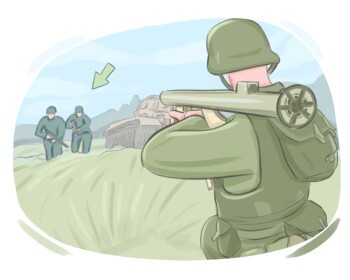
a person that one is opposed to and fights or competes with
противник
В финальном раунде шахматного турнира он столкнулся с самым сложным соперником на сегодняшний день.

in opposition to someone or something
против
Я решил пойти против совета моего друга.
used when a situation suddenly becomes very intense or chaotic
начинается полный хаос, всё выходит из-под контроля
Когда прозвучал финальный свисток, на стадионе начался полный хаос.
a noisy dispute
ссора
Ссора в ресторане привлекла внимание каждого посетителя.
used to convey that one is against something
анти, против
Она присоединилась к протесту, чтобы показать свою антивоенную позицию и потребовать мира.

to speak to someone often angrily because one disagrees with them
спорить
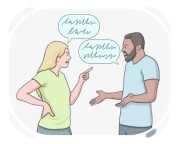
a discussion, typically a serious one, between two or more people with different views
спор
Его сильный аргумент убедил команду изменить свою стратегию.
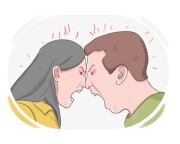
to deny a statement
спорить с
Когда он заявил, что проект отстает от графика, мне пришлось спорить с ним, предоставляя доказательства того, что мы на самом деле опережаем наш график.
(of a person) ready to argue and often arguing
аргументированный
Его спорный характер часто приводит к жарким дискуссиям с его сверстниками.
used to introduce a statement that presents a truth or reality, often to clarify or emphasize something
На самом деле
in serious disagreement with someone
в серьёзном разногласии, на ножах
Два отдела находятся в серьёзном разногласии из-за нового бюджета.
(of opinions) in complete disagreement with each other
полностью расходятся, на противоположных позициях
Их взгляды на образование полностью расходятся.
used when two or more people, groups, or organizations fight or disagree with one another
вцепиться друг другу в глотку, быть на ножах
Два менеджера вцепились друг другу в глотку из-за бюджета.
feeling of anger between people, particularly because of an argument
Неприятное предчувствие
to forcefully make people stop arguing and start behaving appropriately
заставить людей прекратить спорить
a direct confrontation between opposing groups or individuals
битва
Враждебные банды устроили битву на улицах.

the dividing line between opposing sides in a conflict or confrontation
линия противостояния, линия раскола
Налоговое предложение провело чёткую линию противостояния между двумя партиями.
![to [beard] the lion in (his|her) den](https://cdn.langeek.co/photo/43302/thumb/350?type=jpeg "to [beard] the lion in (his|her) den")
to confront someone very powerful or dangerous in their area of control and strength, where they hold the advantage
бросить вызов там, вызвать его на его территории
На заседании совета она бросила вызов гендиректору там, где он был силён.
displaying a willingness to start an argument, fight, or war
воинственный
Воинственное поведение соперничающих банд привело к частым столкновениям в районе.
to be completely unwilling to do something
совершенно незаинтересованным
to argue over unimportant things in an ongoing and repetitive way
препираться
Братья и сестры продолжали пререкаться из-за того, кому достанется пульт от телевизора, каждый настаивая на своем любимом канале.
![to [bite|hold] {one's} tongue](https://cdn.langeek.co/photo/42266/thumb/350?type=jpeg "to [bite|hold] {one's} tongue")
to not say something, against one's wish, in order to avoid causing an argument or upsetting someone
сдержать язык, промолчать
Мне пришлось сдержать язык, когда он обвинил меня в своей же ошибке.
a subject over which people disagree
камень преткновения, предмет спора
Деньги стали главным камнем преткновения между братьями.
to continue talking
жаловаться
Она не переставала продолжать говорить о своей новой работе весь день.
intending to provoke thought or discussion
стимулирующий, провокационный
Его провокационные вопросы заставили всех пересмотреть свои предположения.
a serious argument between two sides caused by their different views and beliefs
столкновение
Столкновение между двумя политическими партиями переросло в жаркие дебаты о реформе здравоохранения.
to strongly and publicly argue or disagree with someone
конфликтовать
Два политика столкнулись во время дебатов по вопросам политики в области здравоохранения.
(of people, their opinions, ideas, etc.) to seriously disagree
сталкиваться
Их идеи о том, как управлять проектом, столкнулись, что вызвало задержку в прогрессе.

used to tell someone that they should stop saying or doing a particular thing
да брось, перестань уже
Да брось, ты же знаешь, что это неправда.
![to [come] out on top](https://cdn.langeek.co/photo/40029/thumb/350?type=jpeg "to [come] out on top")
to win an argument or other competitive situation
выйти победителем, в итоге победить
После долгих дебатов она вышла победительницей.
a disagreement or argument over something important
конфликт
Она избежала конфликта, пойдя на компромисс рано.

(of two ideas, opinions, etc.) to oppose each other
противоречить
Его личные убеждения часто конфликтуют с принципами его профессии, что приводит к внутренней борьбе.

to face someone, particularly in a way that is unfriendly or threatening
противостоять
Менеджер конфронтировал сотрудника по поводу недостающей инвентаризации.
a situation of hostility or strong disagreement between two opposing individuals, parties, or groups
противостояние
Ожесточенная конфронтация между соседями возникла из-за спора о границах собственности.
likely to cause arguments because of being aggressive
противостояние
Он был конфронтационным во время встречи.
a state of heated disagreement, often coming from different viewpoints or interests
разногласие
Новая политика вызвала разногласия среди членов совета.
inclined to argue or provoke disagreement
противоречивый
Спорный человек часто инициировал споры и разногласия в группе.
to disagree with someone, particularly by asserting the opposite of their statement
противоречить
Она опровергла его заявление о том, что проект идет по графику.
someone who acts against popular opinion, particularly in investment markets
противоположный
a slight disagreement or an unpleasant event that causes embarrassment
осложнение, затруднение
Их вечер был прерван небольшим недоразумением по поводу выбора ресторана.
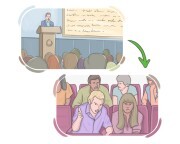
causing a lot of strong public disagreement or discussion
спорный
Некоторые из спорных идей в статье были оспорены экспертами.
in a way that causes strong public disagreement
спорно
Решение о сокращении финансирования публичной библиотеки спорно обсуждалось в сообществе.

a strong disagreement or argument over something that involves many people
спор
Новая политика вызвала споры среди членов сообщества.
