TOEFL のための基本語彙 - 社会と社会問題

ここでは、TOEFL試験に必要な「貴族」、「寛容」、「フェミニズム」など、社会や社会問題に関するいくつかの英語の単語を学びます。

review-disable

レビュー

flashcard-disable

フラッシュカード

spelling-disable

綴り

quiz-disable

クイズ

学習を開始
TOEFL のための基本語彙
aristocracy [名詞]
اجرا کردن

貴族階級

Ex: The event was attended by members of the aristocracy in elegant attire .

そのイベントには、優雅な服装をした貴族のメンバーが出席しました。

noble [形容詞]
اجرا کردن

高貴な

Ex: The noble family 's ancestral estate showcased their centuries-old lineage and prestige .

貴族の家系の先祖伝来の地所は、何世紀も前の家系と威信を披露していました。

civil [形容詞]
اجرا کردن

市民の

Ex: Civil rights movements advocate for equality and justice for all citizens.

公民権運動は、すべての市民のための平等と正義を提唱しています。

citizen [名詞]
اجرا کردن

市民

Ex: Every citizen has the right to vote in democratic elections .

すべての市民は、民主的な選挙で投票する権利を持っています。

status [名詞]
اجرا کردن

地位

Ex: Her status as a respected scientist was well-deserved .

尊敬される科学者としての彼女の地位は当然のものでした。

welfare [名詞]
اجرا کردن

福祉

Ex: The government increased welfare benefits to support families during the economic downturn .

政府は経済低迷期に家族を支援するために福祉給付を増やしました。

tolerance [名詞]
اجرا کردن

寛容

Ex: The community prided itself on its tolerance , welcoming people of all backgrounds and beliefs .

コミュニティはその寛容さを誇りとし、あらゆる背景や信念を持つ人々を歓迎しました。

اجرا کردن

慈善活動

Ex: Her philanthropy funded new schools .

彼女の慈善活動は新しい学校の資金を提供しました。

sexuality [名詞]
اجرا کردن

Ex: Sexuality encompasses a person 's sexual orientation , preferences , and identity , which can be fluid and diverse .

セクシュアリティは、人の性的指向、好み、アイデンティティを含み、それらは流動的で多様である可能性があります。

gender [名詞]
اجرا کردن

ジェンダー

Ex: Her research focused on the impact of gender on career opportunities in tech industries .

彼女の研究は、テクノロジー産業におけるキャリア機会へのジェンダーの影響に焦点を当てた。

feminine [形容詞]
اجرا کردن

女性的な

Ex: The feminine dress was adorned with delicate lace and pastel colors .

その女性的なドレスは繊細なレースとパステルカラーで飾られていました。

masculine [形容詞]
اجرا کردن

男性的

Ex: The masculine physique of the bodybuilder was evident in his strong muscles and broad shoulders.

ボディビルダーの男性的な体格は、彼の強い筋肉と広い肩にはっきりと表れていた。

race [名詞]
اجرا کردن

人種

Ex: While race can be a source of identity and pride for some , it has also been a source of division and oppression throughout history .

人種は一部の人々にとってアイデンティティや誇りの源となる一方で、歴史を通じて分裂や抑圧の源でもありました。
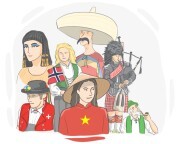
ethnicity [名詞]
اجرا کردن

民族性

Ex: The census form asked respondents to indicate their ethnicity .

国勢調査の用紙は回答者に彼らの民族を示すよう求めました。

multicultural [形容詞]
اجرا کردن

多文化の

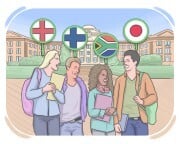
Ex: The city is known for its vibrant and multicultural population .

その都市は活気に満ちた多文化の人口で知られています。

اجرا کردن

グローバルビレッジ

Ex: The internet has transformed the world into a global village , allowing people from different continents to communicate instantaneously .

インターネットは世界をグローバル・ビレッジに変え、異なる大陸の人々が瞬時にコミュニケーションを取ることを可能にしました。

gender gap [名詞]
اجرا کردن

ジェンダーギャップ

Ex: The gender gap in pay persists , with women earning , on average , less than their male counterparts for the same work .

賃金におけるジェンダーギャップは依然として存在し、女性は同じ仕事に対して平均して男性よりも少ない収入を得ています。

اجرا کردن

差別する

Ex: The company was accused of discriminating against women in its hiring practices .

その会社は、採用慣行において女性を差別したと非難されました。

diversity [名詞]
اجرا کردن

多様性

Ex: The nonprofit organization promotes diversity by engaging volunteers from diverse backgrounds and experiences .

非営利団体は、さまざまな背景や経験を持つボランティアを巻き込むことで多様性を促進します。

superior [形容詞]
اجرا کردن

優れた

Ex: As the CEO , she held a superior position in the company hierarchy , overseeing all operations and making strategic decisions .

CEOとして、彼女は会社の階層で上位の地位にあり、すべての業務を監督し、戦略的な決定を行いました。

inferior [形容詞]
اجرا کردن

劣っている

Ex: He felt that his position in the company was inferior to that of his more experienced colleagues .

彼は、会社での自分の立場が、より経験豊富な同僚たちよりも劣っていると感じた。

segregation [名詞]
اجرا کردن

a social system or practice that keeps minority groups separate from the majority, often through separate facilities or services

Ex: Segregation in schools was common in the southern United States .
اجرا کردن

ホームレス状態

Ex: The city has launched several initiatives to reduce homelessness and provide support to those in need .

その都市は、ホームレス問題を減らし、困っている人々に支援を提供するためのいくつかの取り組みを開始しました。

racism [名詞]
اجرا کردن

人種差別

Ex: She was shocked by the racism she faced at the store .

彼女は店で直面した人種差別にショックを受けました。

alcoholism [名詞]
اجرا کردن

アルコール依存症

Ex: Alcoholism can impact a person 's career , relationships , and overall well-being .

アルコール依存症は、人のキャリア、人間関係、そして全体的な幸福に影響を与える可能性があります。

addiction [名詞]
اجرا کردن

中毒

Ex: Addiction is a complex condition characterized by compulsive drug use or engagement in a behavior despite harmful consequences .

依存症は、有害な結果にもかかわらず、強制的な薬物使用または行動への関与を特徴とする複雑な状態です。

اجرا کردن

デモンストレーション

Ex: The demonstration against the new government policy drew thousands of participants to the city center .

新しい政府の政策に対するデモは、何千人もの参加者を都市の中心部に引き寄せた。
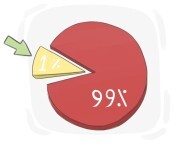
minority [名詞]
اجرا کردن

少数派

Ex: The festival celebrated the traditions of local minority populations .

フェスティバルは地元の少数民族の伝統を祝いました。

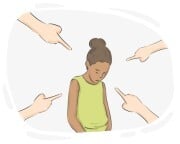
prejudice [名詞]
اجرا کردن

偏見

Ex: His remarks revealed a deep-seated prejudice against immigrants .

彼の発言は、移民に対する根深い 偏見 を明らかにした。

slum [名詞]
اجرا کردن

スラム

Ex: He advocates for better housing solutions for people in slums .

彼はスラム街に住む人々のためのより良い住宅解決策を提唱しています。

shelter [名詞]
اجرا کردن

避難所

Ex: She donated to a local shelter for homeless individuals .

彼女はホームレスの人々のための地元のシェルターに寄付しました。

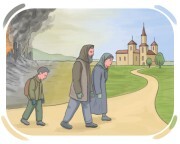
refugee [名詞]
اجرا کردن

難民

Ex: The refugee camp provided shelter and basic necessities to displaced families.

難民キャンプは避難した家族に避難所と基本的な必需品を提供しました。

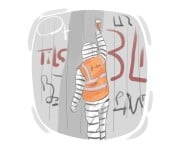
اجرا کردن

社会奉仕

Ex: After being convicted of vandalism , he was sentenced to 100 hours of community service .

破壊行為で有罪判決を受けた後、彼は100時間の社会奉仕を命じられた。

اجرا کردن

ソーシャルワーカー

Ex: The social worker assisted families in need .

ソーシャルワーカーは、困っている家族を支援しました。