
Необходимый Словарный Запас для TOEFL - Общество и социальные проблемы
Здесь вы выучите некоторые английские слова о обществе и социальных вопросах, такие как "аристократия", "толерантность", "феминизм" и т.д., которые необходимы для экзамена TOEFL.
Обзор
Флэш-карточки
Правописание
Тест

a group of people having the same economic or social status in a particular society

класс

people in the highest class of society who have a lot of power and wealth and usually high ranks and titles
аристократия
На мероприятии присутствовали члены аристократии в элегантной одежде.

belonging to a hereditary social class of high rank
аристократ
related to the citizens of a country
гражданский
Движения за гражданские права выступают за равенство и справедливость для всех граждан.
someone whose right of belonging to a particular state is legally recognized either because they are born there or are naturalized
гражданин, гражданка
someone or something's professional or social position relative to that of others
статус
Её статус уважаемого учёного был заслуженным.

a financial aid provided by the government for people who are sick, unemployed, etc.
социальное обеспечение

willingness to accept behavior or opinions that are against one's own
терпимость
Сообщество гордилось своей терпимостью, приветствуя людей всех слоев общества и убеждений.
the activity of helping people, particularly financially
благотворительность
Её филантропия финансировала новые школы.

the feelings, attitudes, behaviors, and activities connected with sex and sexual desire
сексуальность
the social or personal identity of being male, female, nonbinary, or another category
пол

related to qualities, characteristics, or behaviors typically associated with women
женственный
Женственное платье было украшено изящным кружевом и пастельными тонами.

related to qualities, characteristics, or behaviors typically associated with men
мужественный
Мужская фигура бодибилдера была очевидна в его сильных мышцах и широких плечах.

the movement that supports equal rights and opportunities for women and men
феминизм
Она узнала о феминизме в школе.
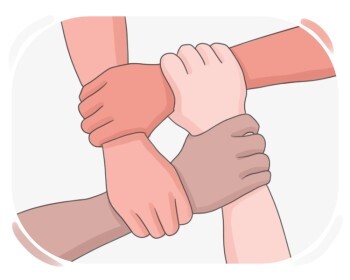
each of the main groups into which humans can be divided based on their physical attributes such as the color of their skin
раса
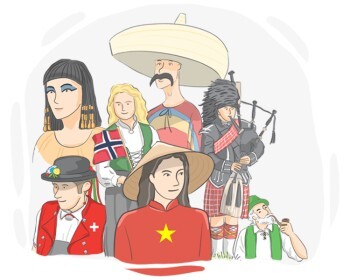
the state of belonging to a certain ethnic group
этничность, нация
В переписном листе респондентов просили указать их этническую принадлежность.
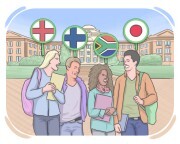
relating to or involving several different cultures
многокультурный
Город известен своим ярким и многокультурным населением.
the whole world considered as a small place because of being closely connected by modern communication systems
глобальная деревня
Интернет превратил мир в глобальную деревню, позволяя людям с разных континентов мгновенно общаться.
an unfair difference in status, opportunities, resources, or treatment between people or groups
неравенство

the differences between men and women's rights, opportunities, and treatment in society
гендерный разрыв
Усилия по сокращению гендерного разрыва в образовании привели к увеличению доступа к обучению для девочек во многих частях мира.

to unfairly treat a person or group of people based on their sex, race, etc.
различать
Компанию обвинили в дискриминации женщин в своих методах найма.
the practice of including people from a range of social, cultural, ethnic, and other backgrounds in a group or organization
разнообразие
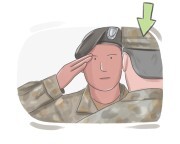
higher in rank, status, importance, or authority
превосходный, начальник
lower in rank or status in comparison with someone or something else
низший
Он чувствовал, что его положение в компании было ниже, чем у его более опытных коллег.
a social system or practice that keeps minority groups separate from the majority, often through separate facilities or services
сегрегация
Сегрегация в школах была распространена на юге Соединённых Штатов.

the fact or condition of not having a home
бездомность
Город запустил несколько инициатив по сокращению бездомности и оказанию поддержки нуждающимся.

the belief or behavior that one sex is less important, capable, or valuable than the other
сексизм
Она выступила против сексизма на работе.
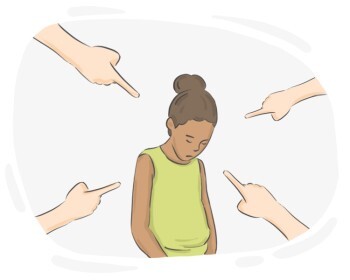
harmful or unfair actions, words, or thoughts directed at people of different races, often based on the idea that one’s own race is more intelligent, moral, or worthy
расизм
Расизм в полиции уже давно является проблемой.
a medical condition caused by drinking an excessive amounts of alcohol on a regular basis
алкоголизм
Исследования показали связь между стрессом и повышенным риском алкоголизма.

the inability to stop using or doing something, particularly something harmful or unhealthy
зависимость
Зависимость — это сложное состояние, характеризующееся компульсивным употреблением наркотиков или участием в поведении, несмотря на вредные последствия.

a display of support for or protest against something or someone by a march or public meeting
демонстрация
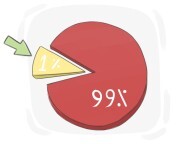
a small group of people who differ in race, religion, etc. and are often mistreated by the society
меньшинство
an unfair and unreasonable opinion or attitude formed without sufficient knowledge or consideration
предубеждение

a situation where a person or animal dies or greatly suffers from having no food for a long time
голодание
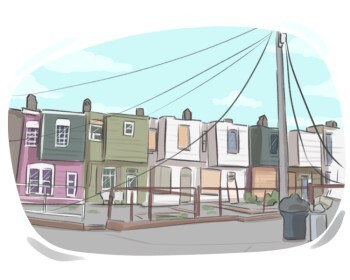
(often plural) a very poor and overpopulated area of a city or town in which the houses are not in good condition
трущобы
Он выступает за лучшие жилищные решения для людей, живущих в трущобах.
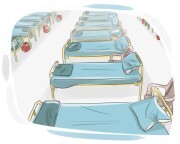
a building that provides temporary accommodation and assistance to people who have no safe place to live
укрытие, приют
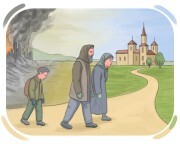
a person forced to leave their country or home to escape war, persecution, or serious danger
беженец
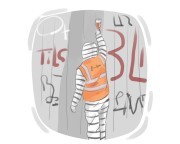
unpaid work done either as a form of punishment by a criminal or as a voluntary service by a citizen
общественная работа
После признания виновным в вандализме он был приговорен к 100 часам общественных работ.

someone who is employed to give advice to or provide help for those with family or financial problems
социальный работник
Социальный работник помогал нуждающимся семьям.
