pattern

Literatuur - Karakterisering

Hier leer je enkele Engelse woorden die verband houden met karakterisering, zoals "archetype", "hoofdpersoon" en "liefdesinteresse".

Herzien

Flashcards

Spelling

Quiz

Begin met leren
Words Related to Literature
character development
[zelfstandig naamwoord]

the process by which a fictional character is portrayed and transformed throughout a story

karakterontwikkeling, personageontwikkeling

karakterontwikkeling, personageontwikkeling

Sluiten
Inloggen
archetype
archetype
[zelfstandig naamwoord]

someone or something serving as the very typical example of a thing or person

archetype, voorbeeld

archetype, voorbeeld

Sluiten
Inloggen
voice
voice
[zelfstandig naamwoord]

the distinctive way a character's personality, beliefs, attitudes, and emotions are revealed through speech or thoughts

stem, toon

stem, toon

Ex: The villain's voice revealed cunning and cruelty. 

De stem van de schurk onthulde sluwheid en wreedheid.
Sluiten
Inloggen
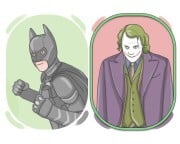
antagonist
antagonist
[zelfstandig naamwoord]

villainous character who strongly opposes another person or thing

antagonist, tegenstander

antagonist, tegenstander

Ex: The antagonist's motivations were complex, driven by a deep-seated desire for power and revenge against the protagonist. 

De motivaties van de antagonist waren complex, gedreven door een diepgeworteld verlangen naar macht en wraak tegen de protagonist.

Sluiten
Inloggen
antihero
antihero
[zelfstandig naamwoord]

the main character in a movie, book, etc. who lacks heroic qualities such as being morally good

antiheld, hoofdpersonage zonder heroïsche eigenschappen

antiheld, hoofdpersonage zonder heroïsche eigenschappen

Sluiten
Inloggen
backstory
backstory
[zelfstandig naamwoord]

the events that have happened to a character before their story in a book, movie, etc. begins

achtergrondverhaal, voorgeschiedenis

achtergrondverhaal, voorgeschiedenis

Ex: Understanding the villain's backstory added depth to the narrative, revealing the motivations behind their sinister deeds. 
Sluiten
Inloggen
character arc
character arc
[zelfstandig naamwoord]

the transformation or development of a fictional character over the course of a story

karakterboog, karakterontwikkeling

karakterboog, karakterontwikkeling

Sluiten
Inloggen
hamartia
hamartia
[zelfstandig naamwoord]

a negative trait or quality of a fictional character that leads to their downfall or contributes to their struggles or conflicts throughout the story

hamartia, tragische fout

hamartia, tragische fout

Sluiten
Inloggen
character flaw
character flaw
[zelfstandig naamwoord]

a negative trait or quality of a fictional character that leads to their downfall or contributes to their struggles or conflicts throughout the story

karakterfout, karakterzwakte

karakterfout, karakterzwakte

Sluiten
Inloggen
characterization
characterization
[zelfstandig naamwoord]

the way in which characters in a movie, book, etc. are created and represented by a writer

karakterisering, uitbeelding

karakterisering, uitbeelding

Ex: The film director used subtle visual cues and nuanced performances to achieve rich characterization in the movie, allowing viewers to connect with the characters on a deeper level. 
Sluiten
Inloggen
hero
hero
[zelfstandig naamwoord]

the main male character in a story, book, movie, etc., often known for his bravery and other great qualities

held, hoofdpersonage

held, hoofdpersonage

Ex: The hero of the movie was a courageous firefighter. 

De held van de film was een moedige brandweerman.

Sluiten
Inloggen
internal conflict
internal conflict
[zelfstandig naamwoord]

the psychological struggle that takes place within a character's mind or emotions

innerlijk conflict, innerlijke strijd

innerlijk conflict, innerlijke strijd

Sluiten
Inloggen
narrator
narrator
[zelfstandig naamwoord]

the person who tells the story in a novel, poem, etc.

verteller, narrator

verteller, narrator

Ex: The story is told from the perspective of an unreliable narrator. 

Het verhaal wordt verteld vanuit het perspectief van een onbetrouwbare verteller.
Sluiten
Inloggen
personage
personage
[zelfstandig naamwoord]

a fictional character, especially one who plays a significant role in a story or narrative

personage, figuur

personage, figuur

Sluiten
Inloggen
protagonist
protagonist
[zelfstandig naamwoord]

the main character in a movie, novel, TV show, etc.

hoofdpersonage, protagonist

hoofdpersonage, protagonist

Ex: The protagonist's internal conflict drives the narrative forward as they grapple with difficult choices and confront their own flaws and insecurities. 

Het innerlijke conflict van de hoofdpersoon drijft het verhaal vooruit terwijl ze worstelen met moeilijke keuzes en hun eigen tekortkomingen en onzekerheden onder ogen zien.

Sluiten
Inloggen
villain
villain
[zelfstandig naamwoord]

the main bad character in a movie, story, play, etc.

schurk, antagonist

schurk, antagonist

Ex: The villain’s motives were revealed at the end of the story. 

De motieven van de schurk werden aan het einde van het verhaal onthuld.

Sluiten
Inloggen
pathetic fallacy
pathetic fallacy
[zelfstandig naamwoord]

the attribution of human traits and feelings to objects, animals, or natural phenomena in art and literature

pathetische dwaling, toeschrijving van menselijke eigenschappen

pathetische dwaling, toeschrijving van menselijke eigenschappen

Sluiten
Inloggen
anthropomorphism
anthropomorphism
[zelfstandig naamwoord]

the practice of attributing human qualities to objects or gods

antropomorfisme, personificatie

antropomorfisme, personificatie

Sluiten
Inloggen
to [break] the fourth wall

(of characters in a narrative) to speak directly to the audience or acknowledge that they are part of a fictional work

Sluiten
Inloggen
author surrogate
author surrogate
[zelfstandig naamwoord]

a character in a work of fiction who is thought to represent the author's personal beliefs, experiences, or opinions

woordvoerder van de auteur, personage dat de auteur vertegenwoordigt

woordvoerder van de auteur, personage dat de auteur vertegenwoordigt

Sluiten
Inloggen
audience surrogate
audience surrogate
[zelfstandig naamwoord]

a character in a work of fiction who is used to help the audience understand and relate to the story

publiekssurrogaat, vertegenwoordiger van het publiek

publiekssurrogaat, vertegenwoordiger van het publiek

Sluiten
Inloggen
unreliable narrator
unreliable narrator
[zelfstandig naamwoord]

a narrative technique in which the credibility and truthfulness of the narrator are called into question

onbetrouwbare verteller, twijfelachtige verteller

onbetrouwbare verteller, twijfelachtige verteller

Sluiten
Inloggen
omniscient narrator
omniscient narrator
[zelfstandig naamwoord]

a narrative technique in which the narrator is all-knowing and has access to the thoughts, feelings, and perspectives of all the characters in the story

alwetende verteller, alomtegenwoordige verteller

alwetende verteller, alomtegenwoordige verteller

Sluiten
Inloggen
shoulder angel
shoulder angel
[zelfstandig naamwoord]

a fictional character, often portrayed as an angelic being, who represents a character's conscience or moral compass

beschermengel, engelachtig geweten

beschermengel, engelachtig geweten

Sluiten
Inloggen
shoulder devil
shoulder devil
[zelfstandig naamwoord]

a fictional character, often portrayed as an unethical being, who represents a character's inner voice of temptation

schouderduivel, slechte engel

schouderduivel, slechte engel

Sluiten
Inloggen
point of view
point of view
[Zinsdeel]

the perspective from which the narrator tells a story

Ex: The narrator's point of view was biased, favoring the protagonist. 
Sluiten
Inloggen
character
character
[zelfstandig naamwoord]

a person or an animal represented in a book, play, movie, etc.

personage, held

personage, held

Ex: Hamlet is a tragic character in Shakespeare’s play. 

Hamlet is een tragisch personage in Shakespeares toneelstuk.

Sluiten
Inloggen
exposition
exposition
[zelfstandig naamwoord]

a detailed explanation or description that clarifies the meaning or intent of a written work or discourse

uitleg

uitleg

Ex: The first chapter of the novel provided a necessary exposition, introducing the main characters and their backgrounds. 

Het eerste hoofdstuk van de roman bood een noodzakelijke expositie, waarin de hoofdpersonen en hun achtergronden werden geïntroduceerd.

Sluiten
Inloggen
mood
mood
[zelfstandig naamwoord]

the emotional atmosphere or feeling created by a piece of writing

sfeer, atmosfeer

sfeer, atmosfeer

Sluiten
Inloggen
fall
fall
[zelfstandig naamwoord]

a sudden or significant decline in status, influence, fortune, or character

val, verval

val, verval

Ex: Corruption led to the senator's fall. 

Corruptie leidde tot de val van de senator.

Sluiten
Inloggen
reveal
reveal
[zelfstandig naamwoord]

the act or moment of disclosing previously hidden or unknown information to an audience

onthulling, openbaring

onthulling, openbaring

Ex: The film built suspense until the big reveal at the end. 

De film bouwde spanning op tot de grote onthulling aan het einde.

Sluiten
Inloggen
complication
complication
[zelfstandig naamwoord]

an event or situation that creates a problem or obstacle for the protagonist or other characters in a story

complicatie, obstakel

complicatie, obstakel

Sluiten
Inloggen
relief
relief
[zelfstandig naamwoord]

a feeling of ease or release that occurs after a period of tension, suspense, or stress in a story

verlichting, ontspanning

verlichting, ontspanning

Ex: Light-hearted dialogue gave relief following the climactic confrontation. 

Het luchtige gesprek bracht verlichting na de climaxconfrontatie.

Sluiten
Inloggen
dynamic character
dynamic character
[zelfstandig naamwoord]

a character in a story who undergoes significant internal changes and growth over the course of the narrative

dynamisch karakter, ontwikkelend karakter

dynamisch karakter, ontwikkelend karakter

Sluiten
Inloggen
flat character
flat character
[zelfstandig naamwoord]

a character in a story who is not highly developed, and typically has only one or two distinguishing traits or characteristics

plat karakter, eendimensionaal karakter

plat karakter, eendimensionaal karakter

Sluiten
Inloggen
foil
foil
[zelfstandig naamwoord]

a character in a literary work who contrasts with another character, usually the protagonist, to highlight specific traits of the latter

contrastfiguur, tegenhanger

contrastfiguur, tegenhanger

Ex: The loyal friend is a foil to the hero's arrogance. 

De loyale vriend is een contrast voor de arrogantie van de held.

Sluiten
Inloggen
ingenue
ingenue
[zelfstandig naamwoord]

a young, innocent, and naive character, often a young woman, in a story or play

ingénue, naïef jong meisje

ingénue, naïef jong meisje

Sluiten
Inloggen
round character
round character
[zelfstandig naamwoord]

a complex and multidimensional character in a story, who often undergoes significant growth and change throughout the narrative

ronde karakter, complexe karakter

ronde karakter, complexe karakter

Sluiten
Inloggen
static character
static character
[zelfstandig naamwoord]

a character in a work of fiction who remains the same from the beginning of the story to the end, without undergoing significant personal development or change

statisch karakter, onveranderlijk karakter

statisch karakter, onveranderlijk karakter

Sluiten
Inloggen
stock character
stock character
[zelfstandig naamwoord]

a stereotype or cliché character that is easily recognizable and often used in literature or other forms of media

stereotype personage, clichépersonage

stereotype personage, clichépersonage

Sluiten
Inloggen
first-person narrative
[zelfstandig naamwoord]

a point of view in which the story is told from the perspective of a character using "I" or "we"

eerste persoon vertelling, ik-vertelling

eerste persoon vertelling, ik-vertelling

Sluiten
Inloggen
second-person narrative
[zelfstandig naamwoord]

a point of view in which the story is told using "you" as the pronoun for the protagonist or narrator, making the reader or audience feel more involved in the story

tweede-persoonsvertelling, vertelling in de tweede persoon

tweede-persoonsvertelling, vertelling in de tweede persoon

Sluiten
Inloggen
third-person narrative
[zelfstandig naamwoord]

a mode of storytelling where the narrator refers to characters using pronouns like "he" and "she" and is not a character in the story

vertelling in de derde persoon, verhaal in de derde persoon

vertelling in de derde persoon, verhaal in de derde persoon

Ex: The novel's third-person narrative provided insight into the motivations of the antagonist, adding depth to the conflict. 

De derdepersoonsvertelling van de roman gaf inzicht in de motivaties van de antagonist, wat diepte toevoegde aan het conflict.

Sluiten
Inloggen
love interest
love interest
[zelfstandig naamwoord]

a person who is romantically or emotionally involved with another person, often a central character in a story or narrative

liefdesbelang, romantische interesse

liefdesbelang, romantische interesse

Ex: They debated whether the hero's love interest was necessary for the plot. 

Ze debatteerden of de liefdesinteresse van de held nodig was voor het plot.

Sluiten
Inloggen
sidekick
sidekick
[zelfstandig naamwoord]

a close companion or assistant to the protagonist of a work of fiction, who provides support, advice, or comic relief

handlanger, metgezel

handlanger, metgezel

Sluiten
Inloggen
father figure
father figure
[zelfstandig naamwoord]

a character who plays the role of a father, mentor, protector, or guide to a younger character

vaderfiguur, vaderlijk model

vaderfiguur, vaderlijk model

Sluiten
Inloggen
mother figure
mother figure
[zelfstandig naamwoord]

a character, usually female, who functions as a nurturing or guiding influence over the other characters, often acting in a maternal role

moederfiguur, moederlijk voorbeeld

moederfiguur, moederlijk voorbeeld

Sluiten
Inloggen
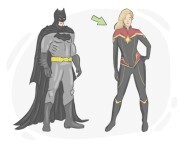
confidant
confidant
[zelfstandig naamwoord]

a person in whom one places trust and shares secrets or private thoughts and feelings

vertrouweling, vertrouwenspersoon

vertrouweling, vertrouwenspersoon

Ex: He became her confidant during a difficult time in her life. 

Hij werd haar vertrouweling tijdens een moeilijke periode in haar leven.
Sluiten
Inloggen
deuteragonist
deuteragonist
[zelfstandig naamwoord]

the second most important character after the protagonist, and often plays a key role in the story's development

deuteragonist, tweede hoofdpersonage

deuteragonist, tweede hoofdpersonage

Sluiten
Inloggen
tertiary character
tertiary character
[zelfstandig naamwoord]

a character who appears in a supporting role and has minimal impact on the story

tertiair personage, figurant

tertiair personage, figurant

Sluiten
Inloggen
symbolic character
symbolic character
[zelfstandig naamwoord]

a character in literature who represents an idea or a concept beyond their literal meaning and functions as a symbol to convey deeper meanings and themes

symbolisch personage

symbolisch personage

Sluiten
Inloggen
heroine
heroine
[zelfstandig naamwoord]

the main female character in a story, book, film, etc., typically known for great qualities

heldin, vrouwelijke hoofdpersoon

heldin, vrouwelijke hoofdpersoon

Ex: The heroine of the book is a young girl with special abilities. 

De heldin van het boek is een jong meisje met speciale vaardigheden.

Sluiten
Inloggen
sage
sage
[zelfstandig naamwoord]

a wise and insightful figure who offers guidance, advice, or philosophical reflection, often in stories or real life

wijze, geleerde

wijze, geleerde

Ex: She turned to her mentor, a sage figure in her life. 

Ze wendde zich tot haar mentor, een wijze figuur in haar leven.

Sluiten
Inloggen
fool
fool
[zelfstandig naamwoord]

a performer or entertainer in a royal court or other setting who is known for their humorous or nonsensical performances

nar, hofnar

nar, hofnar

Sluiten
Inloggen
everyman
everyman
[zelfstandig naamwoord]

a literary or dramatic character representing the ordinary individual, often placed in extraordinary circumstances and often used to evoke empathy in the audience

de gewone man, de gemiddelde persoon

de gewone man, de gemiddelde persoon

Sluiten
Inloggen
gentleman thief
gentleman thief
[zelfstandig naamwoord]

a fictional character archetype who, despite engaging in criminal activities, is sophisticated, charming, and often possesses a strong moral code that sets them apart from other criminals

gentleman-dief, dief met stijl

gentleman-dief, dief met stijl

Sluiten
Inloggen
boy next door
boy next door
[zelfstandig naamwoord]

a type of character archetype often used in storytelling, representing a wholesome and relatable male love interest who typically has a close connection to the protagonist

de jongen van naast de deur, de charmante buurman

de jongen van naast de deur, de charmante buurman

Sluiten
Inloggen
girl next door
girl next door
[zelfstandig naamwoord]

a character archetype that is often described as wholesome, down-to-earth, and relatable

meisje van hiernaast, buurmeisje

meisje van hiernaast, buurmeisje

Sluiten
Inloggen
black knight
black knight
[zelfstandig naamwoord]

a stock character often depicted as a sinister figure in literature and folklore who is usually the enemy of the hero

zwarte ridder, ridder van de duisternis

zwarte ridder, ridder van de duisternis

Sluiten
Inloggen
LanGeek
LanGeek app downloaden