
Społeczeństwo, Prawo i Polityka - Odejść lub Uciec
Odkryj, jak angielskie idiomy, takie jak "the bird has flown" i "do a moonlight flit", odnoszą się do odejścia lub ucieczki w języku angielskim.
Przegląd
Fiszki
Test

![to [take] to {one's} heels](https://cdn.langeek.co/photo/43092/thumb/350?type=jpeg "to [take] to {one's} heels")
to begin to leave somewhere by running fast

wziąć nogi za pas, rzucić się do ucieczki
Tłum rzucił się do ucieczki, gdy fajerwerki wybuchły zbyt blisko.
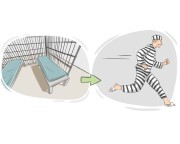
said to mean that a person that one looks for has fled or left
ptaszek odleciał, już dał nogę
Nie ma sensu jej tu szukać; ptaszek odleciał.
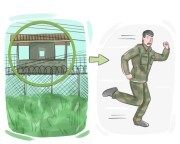
(of a soldier) having left one's military duty without being permitted to do so
samowolnie oddalony, bez przepustki poza jednostką
Samowolne oddalenie się podczas misji może skończyć się poważnymi zarzutami.
![to [go] south](https://cdn.langeek.co/photo/44040/thumb/350?type=jpeg "to [go] south")
to depart or leave a place, often with the intention of avoiding a difficult or uncomfortable situation
odejść, cichaczem odejść
Widziałem, jak odchodzi, gdy atmosfera na imprezie się zaogniła.
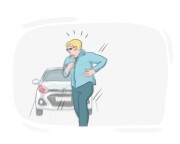
moving from one place to another in an attempt to not get caught or arrested
w ucieczce, przemieszcza się, aby nie zostać złapanym
Policja uważa, że zbieg wciąż ucieka w mieście.
![to [go] to ground](https://cdn.langeek.co/photo/44042/thumb/350?type=jpeg "to [go] to ground")
to suddenly disappear from sight, particularly in order to hide from someone
nagle zniknąć, ukryć się przed kimś
Nagle zniknął, gdy usłyszał, że władze go szukają.
![to [give] {sb} the slip](https://cdn.langeek.co/photo/43998/thumb/350?type=jpeg "to [give] {sb} the slip")
to escape in order to not get caught or not to be with someone
umykać komuś, umykać, żeby nie zostać złapanym
Uciekł swoim prześladowcom, chowając się w wąskiej uliczce.
![to [bust] a move](/assets/img/no-pic-700w.png "to [bust] a move")
to leave somewhere, often hastily
szybko się zmyć, prędko się ulotnić
Kiedy zorientowali się, że trafili na złą imprezę, szybko się zmyli.
![to [make] a move](https://cdn.langeek.co/photo/44016/thumb/350?type=jpeg "to [make] a move")
to start to leave a place to get to somewhere else
zbierać się do wyjścia, ruszać w drogę
Ruszyli wcześniej, żeby zdążyć na ostatni pociąg.
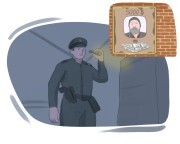
running away in an attempt not to get caught
w ucieczce, przemieszcza się, aby nie zostać złapanym
Plotki mówią, że skradziony samochód jest w ucieczce.
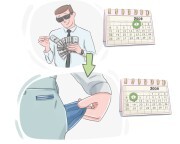
used to refer to a someone or something that suddenly disappears, particularly in a way that is mysterious or suspicious
jakby zapadł się pod ziemię, zniknął bez śladu
Akta zniknęły bez śladu po rozpoczęciu audytu.
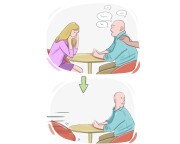
an instance of someone becoming impossible to find, particularly when they are needed, wanted, or in a difficult or unpleasant situation
nagłe zniknięcie, zniknięcie bez śladu
Świadek zniknął, zanim proces zdążył się rozpocząć.
to leave a place secretly and as fast as one can, particularly in order to avoid paying one's debts
uciec po kryjomu nocą, zwiać przed długami
Do rana rodzina uciekła po kryjomu nocą, a mieszkanie było puste.
to leave a group, project, or situation when things become difficult
to manage to escape from a prison
uciec z więzienia, zbiec z więzienia
Podobno planuje uciec z więzienia, zanim rozpatrzą jego apelację.
| Społeczeństwo, Prawo i Polityka | |||
|---|---|---|---|
| Zgodnie z Regułami | Kwestionowanie Norm | Sprawiedliwość | Niesprawiedliwość |
| Polityka | Kwestie Polityczne | Kara | Społeczeństwo |
| Klasa społeczna | Normy społeczne i konformizm | Odejść lub Uciec | Oszustwo i Oszustwo |
