


to begin to leave somewhere by running fast

拔腿就跑, 撒腿就跑
警报一响,小偷立刻撒腿就跑。
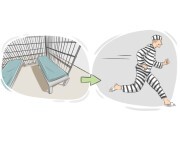
said to mean that a person that one looks for has fled or left
人已经跑了, 早就溜了
我们查了酒店,可他前一晚就已经溜了。
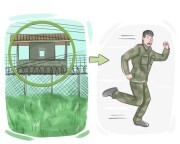
(of a soldier) having left one's military duty without being permitted to do so
擅离职守, 未经许可离队
他休假后未归,被登记为未经许可离队。

to depart or leave a place, often with the intention of avoiding a difficult or uncomfortable situation
离开, 悄悄离开
经理到时,她已经悄悄离开以避免冲突。
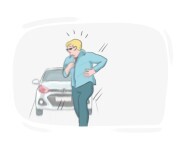
moving from one place to another in an attempt to not get caught or arrested
在逃, 为了躲避抓捕而四处移动
嫌疑人已在逃超过一周。

to suddenly disappear from sight, particularly in order to hide from someone
突然消失, 躲避某人
通缉犯在警方靠近时突然消失。
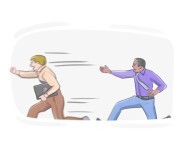
to escape in order to not get caught or not to be with someone
从某人处逃脱, 逃脱以免被抓
她溜掉了老师,悄悄离开了教室。

to leave somewhere, often hastily
赶紧走人, 匆匆离开
警察一出现,大家都赶紧跑了。
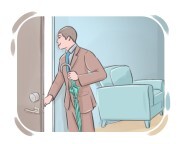
to start to leave a place to get to somewhere else
准备动身, 动身离开
吃完甜点后,他们动身去了车站。
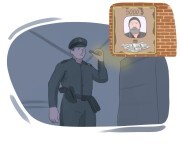
running away in an attempt not to get caught
在逃, 为了躲避抓捕而四处奔逃
劫匪在警察到达前就已逃跑。

used to refer to a someone or something that suddenly disappears, particularly in a way that is mysterious or suspicious
凭空消失, 消失得无影无踪
那笔钱似乎一夜之间凭空消失了。

an instance of someone becoming impossible to find, particularly when they are needed, wanted, or in a difficult or unpleasant situation
突然失踪, 人间蒸发
丑闻曝光后,董事就人间蒸发了。
to leave a place secretly and as fast as one can, particularly in order to avoid paying one's debts
连夜跑路, 欠债跑路
他们在全城到处欠钱,最后连夜跑路了。
to leave a group, project, or situation when things become difficult
to manage to escape from a prison
越狱, 逃出监狱
他只服刑六个月就越狱了。
