

pattern

TOEFL için Gelişmiş Kelime Bilgisi - Tarih

Burada, TOEFL sınavı için gerekli olan "tarih öncesi", "jura", "kronik" gibi bazı İngilizce tarih kelimelerini öğreneceksiniz.

Gözden Geçir

Flash kartlar

Yazım

Quiz

Öğrenmeye başla
Advanced Words Needed for TOEFL
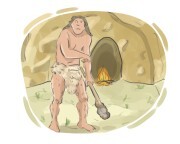
Stone age
Stone age
[isim]

the early period of human history when people used things such as stone, horn, bone, etc. to make tools

taş devri

taş devri

Ex: The Stone Age was characterized by the use of simple stone tools and the development of early human societies. 
prehistory

the era in human history from which we have no written record

tarih öncesi

tarih öncesi

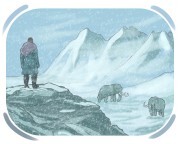
ice age
ice age
[isim]

one of the periods in history when ice covered large parts of the world

buzul çağı

buzul çağı

Ex: During the last ice age, vast glaciers covered much of North America and Europe. 
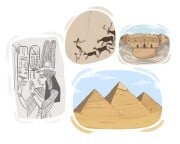
antiquity
antiquity
[isim]

the historical period before the Middle Ages, especially before the sixth century when Greeks and Romans were the most prosperous

antik çağ

antik çağ

Ex: Antiquity refers to the period in history before the Middle Ages, encompassing the civilizations of ancient Greece and Rome. 
dark ages
dark ages
[isim]

the era in European history commenced at the end of the Roman Empire in AD 476 and lasted until AD 1000

orta çağ

orta çağ

the Middle Ages

an era in European history, between about AD 1000 and AD 1500, when the authority of kings, people of high rank, and the Christian Church was unquestionable

ortaçağ

ortaçağ

Ex: Castles and knights are iconic symbols of life during the Middle Ages. 
Iron Age
Iron Age
[isim]

the period that began about 1100 BC when people used iron tools for the first time

demir çağı

demir çağı

Ex: The Iron Age followed the Bronze Age and was marked by the widespread use of iron for tools and weapons. 
Bronze Age

the period when iron was not discovered and people used bronze to make tools

tunç çağı

tunç çağı

Ex: The Bronze Age marked a significant advancement in human technology with the development of metalworking skills. 
christian era

the period that began with Christ's birth

Miladi Tarih

Miladi Tarih

paleontology

the branch of science that studies fossils

paleontoloji

paleontoloji

Ex: Paleontology has revealed fascinating details about the prehistoric creatures that roamed the Earth millions of years ago. 
jurassic
jurassic
[sıfat]

relating to the period between around 208 to 146 million years ago, when the largest known dinosaurs lived

jura jeolojik zamanına ait

jura jeolojik zamanına ait

cretaceous
cretaceous
[sıfat]

relating to the period between approximately 146 and 65 million years ago, when dinosaurs lived (until their extinction)

mesozoik dönem sonuna ait

mesozoik dönem sonuna ait

hellenistic
hellenistic
[sıfat]

relating to Greek history, language, and culture, especially the era from the death of Alexander the Great to the defeat of Cleopatra and Mark Antony in 31 BC, during which Greek culture thrived considerably

Helenistlere ait

Helenistlere ait

Enlightenment

a philosophical movement in the late 17th and 18th centuries that emphasized reason and science were of more importance than tradition and religion

aydınlanma çağı

aydınlanma çağı

Ex: The Enlightenment challenged traditional authority and promoted reason as the basis for understanding the world. 
archaic
archaic
[sıfat]

dating back to the ancient past

geçmişe ait, çok eski

geçmişe ait, çok eski

Ex: The museum has a collection of archaic pottery from ancient Greece. 
barbarian
barbarian
[isim]

a person belonging to a people or group regarded as uncivilized, foreign, or outside the dominant culture

barbar

barbar

Ex: The Romans considered the northern tribes to be barbarians. 
to chronicle

to record a series of historical events in a detailed way by a chronological order

tarih yazmak

tarih yazmak

Ex: The historian chronicles the rise and fall of ancient civilizations in her latest book. 
anachronism

something occurring at a time when it could not have existed or happened

tarih hatası

tarih hatası

Ex: The speech referenced events that hadn't yet occurred—an unintentional anachronism. 
archeology

the study of civilizations of the past and historical periods by the excavation of sites and the analysis of artifacts and other physical remains

arkeoloji

arkeoloji

Ex: Archaeology is the study of human history and prehistory through the excavation and analysis of artifacts, sites, and other physical remains. 
colony
colony
[isim]

any territory under the full or partial control of another more powerful nation, often occupied by settlers from that nation

sömürge

sömürge

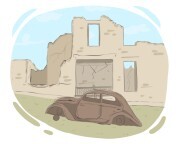
ruin
ruin
[isim]

(plural) the remains of something such as a building after it has been seriously damaged or destroyed

harabe

harabe

Ex: They explored the ruins of an old castle during their trip. 
circa
circa
[ilgeç]

used typically before a date to show that it is not exact

yaklaşık olarak

yaklaşık olarak

Ex: The first records appeared circa 1500. 
tsar
tsar
[isim]

the king or emperor of Russia prior to 1917

Çar, Rus imparatoru

Çar, Rus imparatoru

Ex: The tsar was the title used by the rulers of Russia before the Russian Revolution of 1917, signifying their absolute authority and sovereignty. 
the Commonwealth

the political structure during a period in the history of the UK between 1649 and 1660, called the interregnum, during which the country was ruled without a king or queen

Britanya milletler topluluğu

Britanya milletler topluluğu

Ex: The Commonwealth is an association of independent states, most of which were former territories of the British Empire, that cooperate on matters of mutual interest. 
LanGeek
LanGeek uygulamasını indir