
Vocabular Avansat pentru TOEFL - Istorie
Aici vei învăța câteva cuvinte în engleză despre istorie, cum ar fi "preistorie", "jurassic", "cronică" etc., care sunt necesare pentru examenul TOEFL.
Revizuire
Fișe de studiu
Ortografie
Chestionar

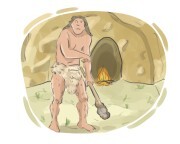
the early period of human history when people used things such as stone, horn, bone, etc. to make tools

epoca de piatră, era pietrei
Epoca de piatră a fost caracterizată prin utilizarea uneltelor simple de piatră și dezvoltarea primelor societăți umane.

the era in human history from which we have no written record
preistorie, epoca preistorică
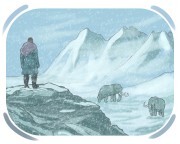
one of the periods in history when ice covered large parts of the world
epoca glaciară, era glaciară
În timpul ultimei epoci glaciare, ghețarii vaste acopereau o mare parte din America de Nord și Europa.
the historical period before the Middle Ages, especially before the sixth century when Greeks and Romans were the most prosperous
antichitatea, perioada antică
Antichitatea se referă la perioada din istorie dinaintea Evului Mediu, cuprinzând civilizațiile Greciei și Romei antice.
the era in European history commenced at the end of the Roman Empire in AD 476 and lasted until AD 1000
epoca întunecată, Evul Mediu timpuriu
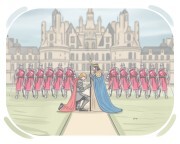
an era in European history, between about AD 1000 and AD 1500, when the authority of kings, people of high rank, and the Christian Church was unquestionable
Evul Mediu, perioada medievală
Multe universități și centre de învățământ importante au fost înființate în Europa în timpul Evului Mediu.
the period that began about 1100 BC when people used iron tools for the first time
Epoca Fierului, Perioada Fierului
Epoca Fierului a urmat Epoca Bronzului și a fost marcată de utilizarea largă a fierului pentru unelte și arme.
the period when iron was not discovered and people used bronze to make tools
Epoca Bronzului, Perioada Bronzului
Epoca Bronzului a marcat un avans semnificativ în tehnologia umană cu dezvoltarea abilităților de prelucrare a metalelor.
the branch of science that studies fossils
paleontologie
Paleontologia a descoperit detalii fascinante despre creaturile preistorice care au cutreierat Pământul cu milioane de ani în urmă.
relating to the period between around 208 to 146 million years ago, when the largest known dinosaurs lived
jurassic, din perioada Jurassic
relating to the period between approximately 146 and 65 million years ago, when dinosaurs lived (until their extinction)
cretacic
relating to Greek history, language, and culture, especially the era from the death of Alexander the Great to the defeat of Cleopatra and Mark Antony in 31 BC, during which Greek culture thrived considerably
elenistic
a philosophical movement in the late 17th and 18th centuries that emphasized reason and science were of more importance than tradition and religion
Iluminismul, Epoca Luminilor
Iluminismul a contestat autoritatea tradițională și a promovat rațiunea ca bază pentru înțelegerea lumii.
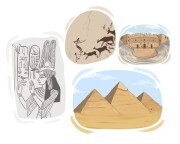
dating back to the ancient past
arhaic, antic
Limba arhaică folosită în manuscrisul antic era greu de înțeles pentru cititorii moderni.
a person belonging to a people or group regarded as uncivilized, foreign, or outside the dominant culture
barbar, sălbatic
Legendele înfățișează barbari care năvălesc în orașe fortificate.

to record a series of historical events in a detailed way by a chronological order
cronica, înregistra
Istoricul cronica ascensiunea și declinul civilizațiilor antice în cartea sa cea mai recentă.
something occurring at a time when it could not have existed or happened
anacronism, eroare cronologică
Cronologia poveștii era plină de anacronisme.
the study of civilizations of the past and historical periods by the excavation of sites and the analysis of artifacts and other physical remains
arheologie, studiul civilizațiilor antice
Arheologia este studiul istoriei umane și preistoriei prin excavarea și analiza artefactelor, siturilor și altor rămășițe fizice.
any territory under the full or partial control of another more powerful nation, often occupied by settlers from that nation
colonie, teritoriu sub control
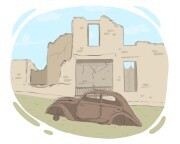
(plural) the remains of something such as a building after it has been seriously damaged or destroyed
ruine, dărâmături
Ei au explorat ruinele unui castel vechi în timpul călătoriei lor.
used typically before a date to show that it is not exact
circa, în jur de
Clădirea a fost făcută circa 1850.
the king or emperor of Russia prior to 1917
țar, czar
Țarul era titlul folosit de conducătorii Rusiei înainte de Revoluția Rusă din 1917, semnificând autoritatea și suveranitatea lor absolută.
the political structure during a period in the history of the UK between 1649 and 1660, called the interregnum, during which the country was ruled without a king or queen
Commonwealth, Republică
Commonwealthul este o asociație de state independente, majoritatea fiind foste teritorii ale Imperiului Britanic, care cooperează în chestiuni de interes mutual.
