
TOEFL के लिए उन्नत शब्दावली - इतिहास
यहां आप TOEFL परीक्षा के लिए आवश्यक इतिहास के बारे में कुछ अंग्रेजी शब्द सीखेंगे, जैसे "प्रागैतिहासिक काल", "जुरासिक", "इतिहास", आदि।
समीक्षा करें
फ्लैशकार्ड्स
वर्तनी
प्रश्नोत्तरी

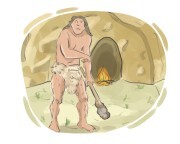
the early period of human history when people used things such as stone, horn, bone, etc. to make tools

पाषाण युग, पत्थर युग
पाषाण युग के कलाकृतियाँ, जैसे कि तीर के नोक और मिट्टी के बर्तन, प्रारंभिक मनुष्यों के दैनिक जीवन में अंतर्दृष्टि प्रदान करते हैं।

the era in human history from which we have no written record
प्रागितिहास, पूर्व-इतिहास
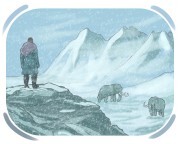
one of the periods in history when ice covered large parts of the world
हिमयुग, बर्फ़ीला युग
हिमयुग के दौरान मानव आबादी को अत्यधिक ठंडे तापमान और कठोर वातावरण के अनुकूल होना पड़ा।
the historical period before the Middle Ages, especially before the sixth century when Greeks and Romans were the most prosperous
प्राचीन काल, पुरातन युग
प्राचीन काल के दार्शनिक और विद्वान, जैसे कि सुकरात, प्लेटो और अरस्तू, ने पश्चिमी विचार और दर्शन में गहन योगदान दिया।
the era in European history commenced at the end of the Roman Empire in AD 476 and lasted until AD 1000
अंधकार युग, प्रारंभिक मध्ययुगीन काल
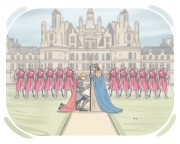
an era in European history, between about AD 1000 and AD 1500, when the authority of kings, people of high rank, and the Christian Church was unquestionable
मध्ययुग, मध्यकालीन युग
महल और शूरवीर मध्य युग के दौरान जीवन के प्रतिष्ठित प्रतीक हैं।
the period that began about 1100 BC when people used iron tools for the first time
लौह युग, आयरन एज
पुरातत्वविदों को लौह युग का एक गाँव मिला जिसमें अच्छी तरह से संरक्षित लोहे की कलाकृतियाँ और संरचनाएँ थीं।
the period when iron was not discovered and people used bronze to make tools
कांस्य युग, कांस्य काल
पाषाण युग से कांस्य युग में परिवर्तन ने नए उपकरण और हथियार लाए जो मजबूत और अधिक टिकाऊ थे।
the branch of science that studies fossils
जीवाश्म विज्ञान
डायनासोर के प्रति उसका जुनून उसे जीवाश्म विज्ञान में करियर बनाने के लिए प्रेरित किया, जहां वह अब फील्डवर्क करती है और जीवाश्मों की खुदाई करती है।
relating to the period between around 208 to 146 million years ago, when the largest known dinosaurs lived
जुरासिक, जुरासिक काल से संबंधित
relating to the period between approximately 146 and 65 million years ago, when dinosaurs lived (until their extinction)
क्रीटेशियस
relating to Greek history, language, and culture, especially the era from the death of Alexander the Great to the defeat of Cleopatra and Mark Antony in 31 BC, during which Greek culture thrived considerably
हेलेनिस्टिक
a philosophical movement in the late 17th and 18th centuries that emphasized reason and science were of more importance than tradition and religion
प्रबोधन, ज्ञानोदय
प्रबोधन के दौरान दार्शनिकों ने मानव समाज के सभी पहलुओं पर तर्क और तर्कशास्त्र लागू करने का प्रयास किया।
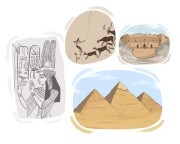
dating back to the ancient past
प्राचीन, पुरातन
प्राचीन हथियार, जैसे भाले और ढाल, प्राचीन युद्धों में योद्धाओं द्वारा उपयोग किए जाते थे।
a person belonging to a people or group regarded as uncivilized, foreign, or outside the dominant culture
बर्बर, जंगली
मध्यकालीन काल के दौरान, यूरोपीय राज्य अक्सर पूर्व से आने वाली बर्बर भीड़ों, जैसे कि मंगोल और हूणों, के साथ टकराते थे।

to record a series of historical events in a detailed way by a chronological order
इतिहास लिखना, दर्ज करना
वे दशकों में प्रौद्योगिकी के विकास को एक व्यापक समयरेखा में दर्ज करते हैं.
something occurring at a time when it could not have existed or happened
अनाकालिकता, कालक्रम संबंधी त्रुटि
उस कानून को लिखे जाने से सदियों पहले उद्धृत किया गया था, एक स्पष्ट कालदोष.
the study of civilizations of the past and historical periods by the excavation of sites and the analysis of artifacts and other physical remains
पुरातत्व, प्राचीन सभ्यताओं का अध्ययन
पुरातत्व विभिन्न समय अवधियों और क्षेत्रों में मानव समाज, प्रौद्योगिकी, कला और दैनिक जीवन के विकास में मूल्यवान अंतर्दृष्टि प्रदान करता है।
a country or territory politically controlled by another, more powerful country
उपनिवेश
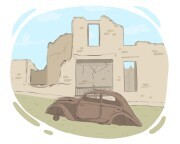
the remains of a building, town, or other structure that has been destroyed or fallen into decay
used typically before a date to show that it is not exact
लगभग, करीब
पेंटिंग लगभग 18वीं शताब्दी में बनाई गई थी।
the king or emperor of Russia prior to 1917
ज़ार, त्सार
रूस का अंतिम ज़ार निकोलस II था, जिसने 1917 में फरवरी क्रांति के बाद सिंहासन त्याग दिया और बाद में रूसी गृहयुद्ध के दौरान बोल्शेविकों द्वारा मार डाला गया।
the political structure during a period in the history of the UK between 1649 and 1660, called the interregnum, during which the country was ruled without a king or queen
कॉमनवेल्थ, गणराज्य
इंग्लैंड की रानी कॉमनवेल्थ की प्रतीकात्मक प्रमुख के रूप में कार्य करती है, जो इसकी साझा विरासत और मूल्यों का प्रतिनिधित्व करती है।
