
Từ vựng cho IELTS Academic (Điểm 6-7) - Triết học
Ở đây, bạn sẽ học một số từ tiếng Anh liên quan đến Triết học cần thiết cho kỳ thi IELTS Học thuật.
Xem lại
Thẻ ghi nhớ
Chính tả
Đố vui

(in philosophy) the doctrine that knowledge is derived from sensory experience rather than theory or intuition

chủ nghĩa kinh nghiệm, chủ nghĩa kinh nghiệm
Lý thuyết phản ánh chủ nghĩa kinh nghiệm trong sự nhấn mạnh của nó về bằng chứng từ kinh nghiệm.
the philosophical position that views truth, morality, or knowledge as dependent on individual perspectives, cultural contexts, or historical circumstances, and rejects absolute or universal standards
chủ nghĩa tương đối, tương đối văn hóa
Chủ nghĩa tương đối đạo đức cho rằng các nguyên tắc đạo đức không phải là phổ quát mà được định hình bởi các yếu tố văn hóa, lịch sử hoặc cá nhân.
a philosophical theory according to which the world has no meaning and humans are free and responsible for their actions
chủ nghĩa hiện sinh
the relationship between a cause and its effect
quan hệ nhân quả, nguyên nhân và kết quả
Thiết lập quan hệ nhân quả trong khoa học xã hội thường liên quan đến phân tích thống kê phức tạp.

the philosophical belief that the spiritual world does not exist and the only thing that exists is physical matter
chủ nghĩa duy vật, triết học duy vật
the philosophical theory that certain knowledge is unattainable
chủ nghĩa hoài nghi
a doubtful view toward others' honesty or intentions
chủ nghĩa hoài nghi, sự hoài nghi
Chủ nghĩa hoài nghi thường khiến các cá nhân nghi ngờ về sự chân thành trong hành động của người khác, nghi ngờ rằng ngay cả những hành vi có vẻ vị tha nhất cũng được thúc đẩy bởi động cơ ẩn giấu.
moral goodness or excellence in a person's character or conduct
đức hạnh, phẩm hạnh
a structured method of reasoning in which truth is reached through the systematic exchange of logical arguments
biện chứng, phương pháp biện chứng
Biện chứng Socrates liên quan đến việc đặt câu hỏi để hướng dẫn học sinh tìm đến sự thật.
(philosophy) the belief that the physical world is either a product of the mind, or is entirely subjective and exists only in the mind
chủ nghĩa duy tâm, niềm tin vào tính ưu việt của ý tưởng
the belief or principle that ideas and actions should be based on logic instead of religion or emotion
chủ nghĩa duy lý, lý tính luận
a system of thought based on human values and nature in which solving human problems is considered more important than religious beliefs
chủ nghĩa nhân văn, tính nhân văn
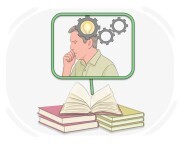
the study of the principles and methods used to distinguish valid reasoning from invalid reasoning
logic
the belief that reality consists of two fundamental and opposing components, such as mind and body or good and evil
thuyết nhị nguyên, học thuyết nhị nguyên
Nhị nguyên nhận thức luận khẳng định sự phân biệt cơ bản giữa các lĩnh vực tri thức, tách biệt trải nghiệm chủ quan với thực tế khách quan.
a philosophical perspective that views natural phenomena, including living organisms and their behavior, as analogous to machines operating based on deterministic physical and chemical processes, without the need for supernatural or non-physical explanations
cơ chế, cơ học
