pattern

C1 Level Wordlist - Vital Verbs

Here you will learn some vital English verbs, such as "adhere", "burst", "supplement", etc. prepared for C1 learners.

Review

Flashcards

Forms

Spelling

Quiz

Start learning
CEFR C1 Vocabulary
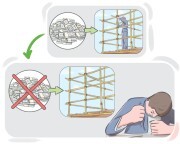
to adhere
to adhere
[Verb]

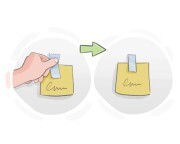
to firmly stick to something

Ex: The label should adhere securely to the package for clear identification. 
Close
Sign in
to allege
to allege
[Verb]

to say something is the case without providing proof for it

Ex: Parents of the student allege that the school did not take the bullying complaints seriously. 
Close
Sign in
to attribute

to think or say that something is caused by a certain thing

Ex: Scientists attribute climate change to human activity. 
Close
Sign in
to await
to await
[Verb]

to wait for something or someone

Ex: We eagerly await the arrival of the guests for the party. 
Close
Sign in
to burst
to burst
[Verb]

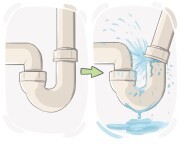
to suddenly and violently break open or apart, particularly as a result of internal pressure
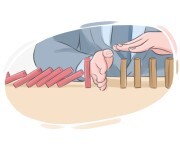
Ex: The balloon burst with a loud pop, startling everyone. 
Close
Sign in
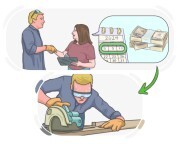
to cease
to cease
[Verb]

to bring an action, activity, or process to an end
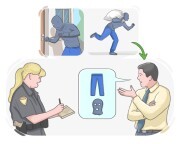
Ex: They decided to cease production due to low demand. 
Close
Sign in
to characterize

to describe the qualities of someone or something in a certain manner
Ex: The historian characterized the Renaissance period as a time of cultural rebirth and artistic innovation. 
Close
Sign in
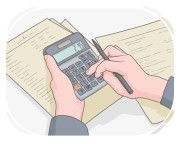
to compute

to calculate or determine a value using mathematical operations

Ex: Accountants must compute taxes owed by clients based on income levels and deductions. 
Close
Sign in
to conceive

to produce a plan, idea, etc. in one's mind

Ex: The architect conceived a visionary design for the futuristic building. 
Close
Sign in
to counter

to do something to avoid or decrease the harmful or unpleasant effects of something
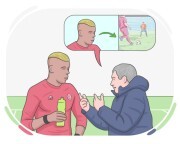
Ex: Taking vitamin C can help counter the effects of a cold. 
Close
Sign in
to designate

to choose someone for a certain position or task

Ex: The manager will designate a team lead to coordinate the project. 
Close
Sign in
to differentiate

to recognize the difference present between two people or things
Ex: The teacher helps her students differentiate between similar-sounding words by highlighting their distinct meanings and usage. 
Close
Sign in
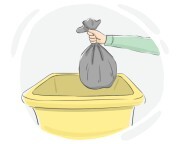
to discard

to get rid of something that is no longer needed

Ex: She recently discarded old clothes from her wardrobe to make space for new ones. 
Close
Sign in
to oversee

to observe an activity in order to ensure that everything is done properly

Ex: She was hired to oversee the day-to-day operations of the company. 
Close
Sign in
to denounce

to publicly express one's disapproval of something or someone
Ex: The activist group denounced the government's decision to cut funding for education. 
Close
Sign in
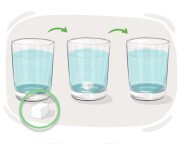
to dissolve

to make a substance one with a liquid

Ex: The pharmacist instructed him to dissolve the medication in water before taking it. 
Close
Sign in
to elevate

to raise someone or something to a higher rank or better position

Ex: The board decided to elevate her to the position of Vice President due to her outstanding performance. 
Close
Sign in
to inquire

to conduct a thorough examination or investigation to gather information
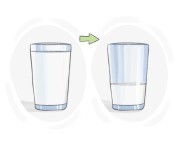
Ex: The detective inquired into the whereabouts of the missing person. 
Close
Sign in
to diminish

to decrease in degree, size, etc.

Ex: The effects of the medication gradually diminish over time. 
Close
Sign in
to intensify

to become more in degree or strength

Ex: Ongoing efforts are currently intensifying to address climate change. 
Close
Sign in
to escalate

to become much worse or more intense

Ex: Misunderstandings can quickly escalate if not addressed early. 
Close
Sign in
to exaggerate

to describe something better, larger, worse, etc. than it truly is
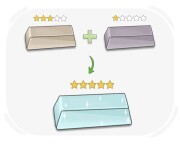
Ex: She tends to exaggerate her accomplishments on her resume to make herself stand out. 
Close
Sign in
to supplement

to improve something by adding something to it

Ex: She supplements her diet with vitamins for better health. 
Close
Sign in
to formulate

to thoughtfully prepare or create something, paying close attention to its details

Ex: The scientist spent months formulating a precise hypothesis for the experiment. 
Close
Sign in
to heighten

to become more severe

Ex: The suspense in the movie heightened as the protagonist approached the mysterious door. 
Close
Sign in
to disrupt

to stop the normal flow of something, often temporarily

Ex: The unexpected power outage disrupted the entire office. 
Close
Sign in
to inhibit

to prevent or limit an action or process
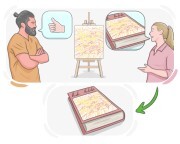
Ex: The medication is known to inhibit the growth of harmful bacteria. 
Close
Sign in
to license

to give permission for the use, practice, or production of something through a formal agreement

Ex: Companies let users use their software legally by licensing it under certain terms. 
Close
Sign in
to devastate

to destroy something completely

Ex: The hurricane devastated the coastal town, leaving homes and businesses in ruins. 
Close
Sign in
to oblige
to oblige
[Verb]

to make someone do something because it is required by law, duty, etc.

Ex: The contract obliges both parties to fulfill their agreed-upon responsibilities. 
Close
Sign in
to obsess
to obsess
[Verb]

to think about something or someone all the time, in a way that makes one unable to think about other things
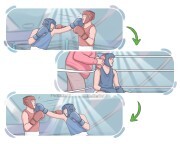
Ex: Ever since the breakup, she has been obsessing over what went wrong. 
Close
Sign in
to persist

to continue a course of action with determination, even when faced with challenges or discouragement

Ex: Despite his injury, the athlete persisted in training for the marathon. 
Close
Sign in
to recount

to describe an event, experience, etc to someone in a detailed manner
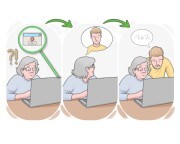
Ex: The historian chose to recount the tale of the ancient civilization's rise and fall. 
Close
Sign in
to render
to render
[Verb]

to provide someone with something, such as help or services, especially as required or expected
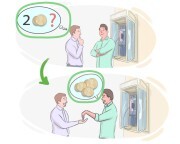
Ex: During the event, the organizers will render information about the schedule and activities to the attendees. 
Close
Sign in
to spare
to spare
[Verb]

to give someone something that one has enough of
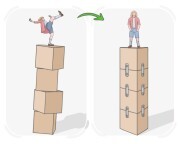
Ex: He decided to spare the extra supplies to the local charity. 
Close
Sign in
to stabilize

to make something steady and prevent it from fluctuating

Ex: Central banks implement policies to stabilize the economy and control inflation. 
Close
Sign in
to supervise

to be in charge of someone or an activity and watch them to make sure everything is done properly

Ex: The manager diligently supervises the team's daily tasks to maintain efficiency. 
Close
Sign in
to sustain

to support an opinion, argument, theory, etc. or to prove it's credibility
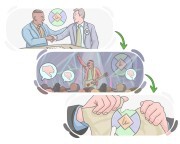
Ex: She presented evidence to sustain her argument during the debate. 
Close
Sign in
to terminate

to stop or end something completely

Ex: After careful consideration, the board of directors voted to terminate the partnership agreement. 
Close
Sign in
to warrant

to give good reasons to justify a particular action

Ex: The evidence presented warrants further investigation into the matter. 
Close
Sign in
LanGeek
Download LanGeek app