


the act of providing assistance or support to someone or something
a drawing of a person, usually a suspect, made by combining descriptions from witnesses
a piece of evidence that leads someone toward the solution of a crime or problem
a criminal investigation that has remained unsolved for a significant period and lacks recent investigative leads
based on indirect evidence rather than direct proof
an organized search by police for a person wanted for a crime
a machine that measures bodily changes to see if someone might be lying
a group of people standing next to each other so a witness can try to identify a criminal suspect
something that is hard to explain or understand, often involving a puzzling event or situation with an unknown explanation
a case that is very clear and easy to prove because there is strong evidence
a machine that measures and records bodily functions like pulse, blood pressure, breathing, and sweating
a person the police think may be connected to a crime but who has not been arrested
a person who may be dangerous to a country or organization, especially if trusted with secret information
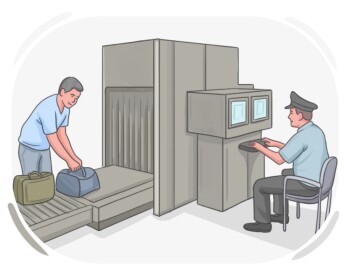
the place at an airport or port where passengers' bags are checked for illegal goods as they enter a country
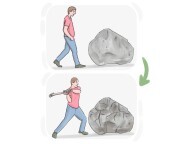
to find an answer or solution to a question or problem
a situation in which police secretly watch a place to observe someone or find evidence of a crime
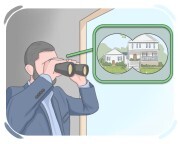
to watch a building continuously, usually by police or reporters, to see who goes in or out
the act of monitoring a person or place, especially by the police

to think that someone may have committed a crime, without having proof
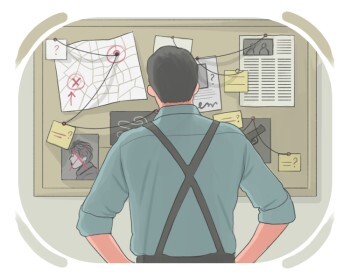
a person who is hired to investigate crimes or personal matters, but is not a police officer
an individual or group of individuals who take the law into their own hands, acting outside the legal system to enforce their version of justice or address perceived wrongs
the act of taking the law into your own hands instead of relying on the police
actively sought by law enforcement due to involvement in criminal activity
a list of people or groups that authorities watch closely because they may be dangerous
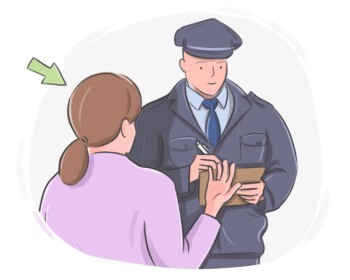
someone who has personally seen of an object, event, etc. and can describe it
proof that indicates a person was somewhere other than the place where a crime took place and therefore could not have committed it
an examination of a deceased person's organs to determine the cause of death
a dead person's physical frame
the place where a crime happened and where police look for evidence
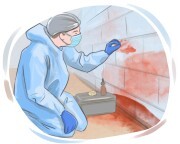
related to the use of scientific techniques when trying to know more about a crime
the scientific techniques that help police solve crimes
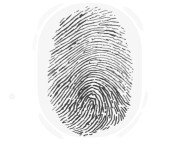
a mark made by the unique pattern of lines on the tip of a person's finger, can be used to find out who has committed a crime
a statement, document, or object that is used in a law court for establishing facts
an item formally introduced and referred to in a legal proceeding as evidence
an examination of a body after death to find out the cause
to search a person by having them remove their clothes to check for hidden items
a place where police examine physical evidence from crimes
the study of crimes, criminals, and how crime can be prevented
