
Total English - Upper-intermediate - Unit 9 - Reference
Here you will find the vocabulary from Unit 9 - Reference in the Total English Upper-Intermediate coursebook, such as "clash", "forensic", "tongue-tied", etc.
Review
Flashcards
Forms
Spelling
Quiz
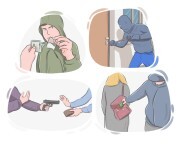
an unlawful act that is punishable by the legal system
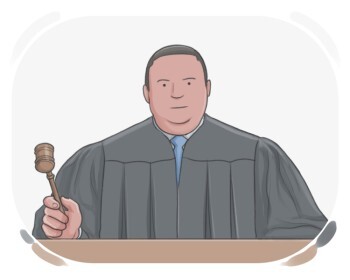
the official in charge of a court who decides on legal matters
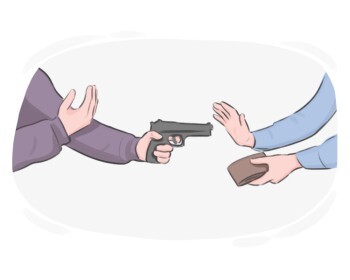
the crime of stealing money or goods from someone or somewhere, especially by violence or threat

a person who steals something that belongs to someone else

a mark made by the unique pattern of lines on the tip of a person's finger, can be used to find out who has committed a crime
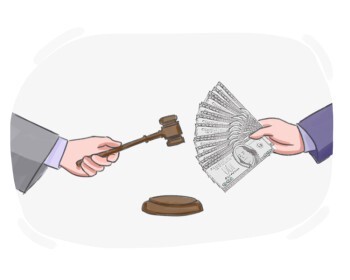
an amount of money that must be paid as a legal punishment
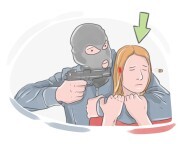
a person who has been harmed, injured, or killed due to a crime, accident, etc.

a person who does or is involved in an illegal activity
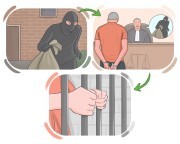
the act or process of making someone suffer a consequence for wrongdoing
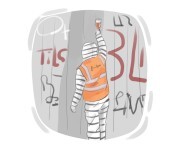
unpaid work done either as a form of punishment by a criminal or as a voluntary service by a citizen
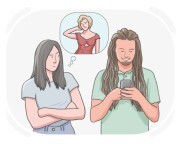
to think that something is probably true, especially something bad, without having proof
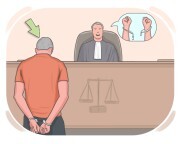
not guilty of a crime, offense, or wrongdoing
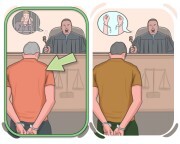
responsible for an illegal act or wrongdoing
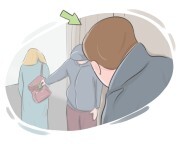
a person who sees an event, especially a criminal scene
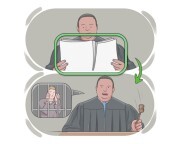
anything that proves the truth or possibility of something, such as facts, objects, or signs

to temporarily prevent someone from attending a school, holding a position, or taking part in an activity as a punishment
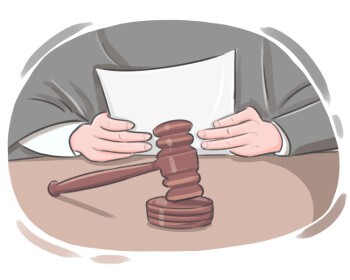
the punishment that the court assigned for a guilty person
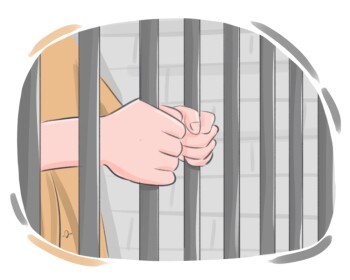
a building where people who did something illegal, such as stealing, murder, etc., are kept as a punishment
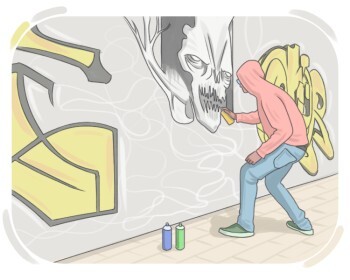
pictures or words that are drawn on a public surface such as walls, doors, trains, etc.

the illegal act of purposefully damaging a property belonging to another person or organization
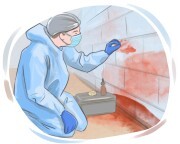
related to the use of scientific techniques when trying to know more about a crime
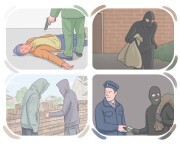
to do a particular thing that is unlawful or wrong
the criminal act of setting something on fire, particularly a building
the crime or act of deliberately deceiving someone in order to gain money or an unfair advantage
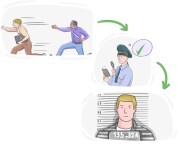
(of law enforcement agencies) to take a person away because they believe that they have done something illegal
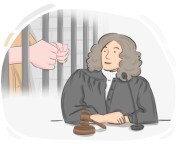
to officially find someone guilty of a crime in a court of law
to officially state the punishment of someone found guilty in a court of law
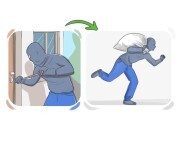
to escape punishment for one's wrong actions
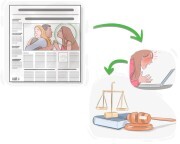
to bring a charge against an individual or organization in a law court
to make sure or certain that something will happen or be done correctly
a statement about the truth of something without offering any verification or proof
an amount of money paid, usually regularly, for insurance coverage

(of a person) approximately between 45 to 65 years old, typically indicating a stage of life between young adulthood and old age

wearing clothes that are stylish or expensive
not probable and difficult to believe
unable to speak clearly or express oneself due to nervousness, shyness, or confusion
in a stubborn, unyielding, and inflexible manner
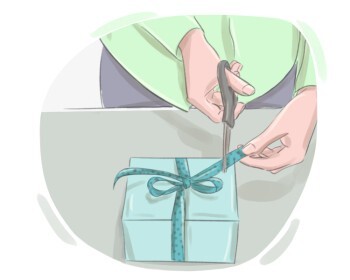
to wrap something, usually a present, in decorative paper or packaging
resistant to melting under high temperatures, catching fire, or burning
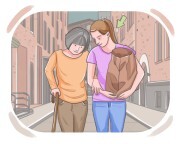
to help or support others in doing something
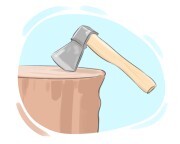
to chop or cut with an axe or similar tool

to support someone or something
to try to achieve something
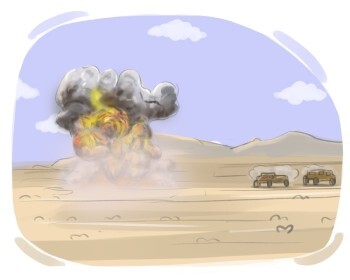
a powerful explosion or the destructive force produced by one
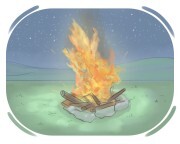
a strong, bright fire or mass of flames
a serious disagreement or conflict between people, groups, ideas, or interests
a situation or event involving a lot of action and excitement, rooted in contrasting elements or forces
to affect someone or something, especially in a bad way
essential and highly important to a particular process, situation, or outcome
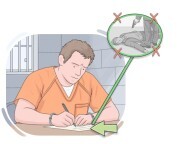
a formal answer given in court to a criminal charge, stating whether the accused is guilty or not guilty
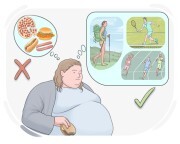
to stop engaging in an activity permanently
to arrest or see someone the moment they are doing something that is illegal or dishonest
| Total English - Upper-intermediate | |||
|---|---|---|---|
| Unit 8 - Vocabulary | Unit 8 - Reference | Unit 9 - Lesson 1 | Unit 9 - Lesson 2 |
| Unit 9 - Vocabulary | Unit 9 - Reference | Unit 10 - Lesson 2 | Unit 10 - Lesson 3 |
| Unit 10 - Vocabulary | Unit 10 - Reference | ||
