Vocabulary for IELTS General Training (Band 6-7) - Human Body

Here, you will learn some English words related to Human Body that are necessary for the General Training IELTS exam.

review-disable

review

flashcard-disable

flashcard

spelling-disable

spelling

quiz-disable

quiz

start-learning
Vocabulary for IELTS General Training (Band 6-7)
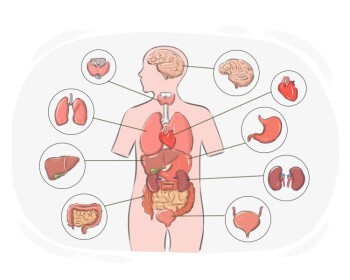
organ [noun]

any vital part of the body which has a particular function

Ex: The liver is a complex organ that performs numerous functions , including detoxification .
genitals [noun]

the external sex organs of the body

Ex: The biology textbook included detailed diagrams illustrating the male and female genitals .
limb [noun]

an arm or a leg of a person or any four-legged animal, or a wing of any bird
Ex: After a day of hiking , her limbs were sore and in need of rest .

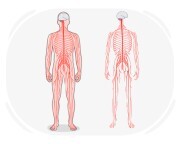
the network of neurons and fibers that interpret stimuli and transmit impulses from the body to the brain

a protective system in the body that defends it against diseases and harmful substances
Ex: Chronic stress can weaken the immune system , making individuals more susceptible to infections and illnesses .

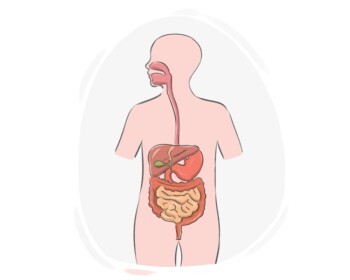
the group of organs inside the body that absorb the food and pass the waste

Ex: Waste products are then processed in the digestive system , eventually eliminated through the large intestine .

a biological system that facilitates the exchange of oxygen and carbon dioxide, primarily through the lungs

Ex: The respiratory system works automatically .

the biological system in organisms that enables the production of offspring through sexual reproduction

Ex: The reproductive system is essential for life 's continuation .

the complex network of bones, muscles, and connective tissues supporting the body's structure and enabling movement
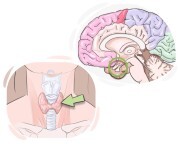
Ex: Bones are part of the musculoskeletal system .
gland [noun]

an organ in the body that produces certain chemical substances to be used in the body or to be discharged into the surroundings
Ex:

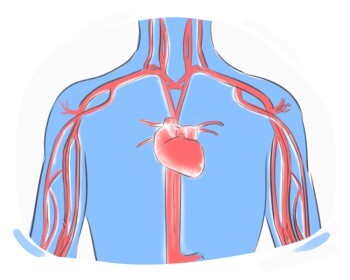
a complex network of the heart, blood, and blood vessels that transports oxygen, nutrients, and hormones to cells throughout the body and removes waste products

Ex: Oxygen is carried by the cardiovascular system .
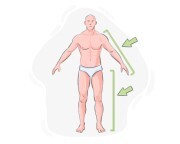
torso [noun]

the upper part of the human body, excluding the arms and the head
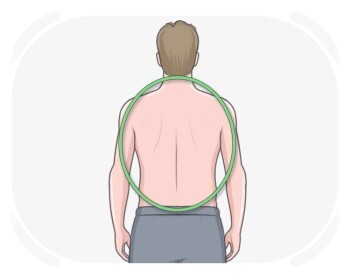
Ex: The forensic pathologist examined the torso to determine the cause of death and identify the victim .
dorsum [noun]

the upper or posterior surface of a body
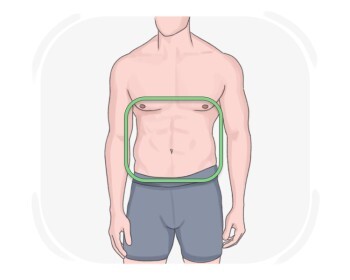
Ex: He has a scar on the dorsum from a childhood accident .
abdomen [noun]

the lower part of the body below the chest that contains the digestive and reproductive organs
Ex: The surgeon made a precise incision in the lower abdomen to access the site of the appendicitis .
physique [noun]

the natural constitution or physical structure of a person

Ex: Genetics play a role in determining your physique .
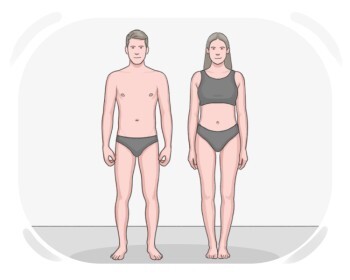
figure [noun]

the shape of a person's body, particularly a woman, when it is considered appealing
Ex: After months of exercise and healthy eating , she was proud of the improvements in her figure .
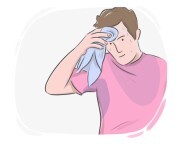
sweat [noun]

the body's way of cooling down with a salty liquid
Ex: The construction workers took a break in the shade to escape the scorching sun and wipe away their sweat .
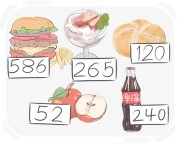
calorie [noun]

the unit used to measure the amount of energy that a food produces

Ex:
mass [noun]

the amount of matter in an individual, often used to describe the overall weight or size of the body

Ex: His muscles added mass to his arms .

the flowing blood in a circulatory system, moving through vessels to transport oxygen, nutrients, and waste products throughout the body

Ex: As adrenaline floods the bloodstream , the body enters a heightened state of alert during an emergency .

the capacity to withstand difficult or unpleasant circumstances without giving up

Ex: The expedition tested their endurance as they faced extreme weather conditions and limited supplies .
Vocabulary for IELTS General Training (Band 6-7)
Size and Scale Dimensions Weight and Steadiness Increase in Amount
Decrease in Amount Intensity Time and Duration Space and Area
Shapes Speed Significance Insignificance
Strength and Influence Uniqueness Commonness Complexity
High Quality Low Quality Value Challenges
Wealth and Success Poverty and Failure Age and Appearance Body Shape
Wellness Intellectual Capability Intellectual Incapability Positive Human Traits
Negative Human Traits Moral Traits Financial Behaviours Social Behaviours
Short-tempered Traits Positive Emotional Responses Negative Emotional Responses Positive Emotional States
Negative Emotional States Tastes and Smells Textures Sounds
Temperature Probability Attempt and Prevention Opinions
Thoughts and Decisions Encouragement and Discouragement Knowledge and Information Request and Suggestion
Respect and Approval Regret and Sadness Relational Actions Physical Actions and Reactions
Body Language and Gestures Postures and Positions Movements Commanding and Giving Permissions
Engaging in Verbal Communication Understanding and Learning Perceiving The Senses Predicting
Touching and Holding Eating and Drinking Preparing Food Changing and Forming
Creating and Producing Organising and Collecting Hobbies and Routines Shopping
Finance and Currency Workplace Office Life Specialised Careers
Manual Labour Careers Service and Support Careers Creative and Artistic Careers House
Human Body Health Sports Sports Competitions
Transportation Society Social Events Animals
City Parts Food and Drinks Friendship and Enmity Gender and Sexuality
Family Relationship Styles Romantic Relationships Positive Emotions
Negative Emotions Travel and Tourism Migration Materials
Pollution Disasters Adverbs of Comment and Certainty Adverbs of Manner
Weather Adverbs of Degree Adverbs of Time and Frequency Adverbs of Purpose and Emphasis
Conjunctive Adverbs