pattern

Vocabulary for IELTS General Training (Band 6-7) - Finance and Currency

Here, you will learn some English words related to Finance and Currency that are necessary for the General Training IELTS exam.

Review

Flashcards

Spelling

Quiz

Start learning
Vocabulary for General Training IELTS (6-7)
yen
yen
[noun]

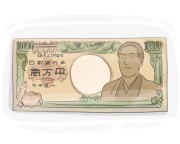
the official currency of Japan, abbreviated as ¥, used for financial transactions and pricing in Japan
Ex: The cost of the meal was 2,000 ¥. 
Close
Sign in
rupee
rupee
[noun]

the official currency of India and several other South Asian countries

Close
Sign in
note
note
[noun]

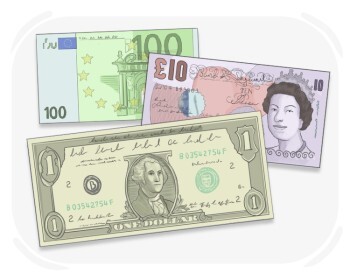
paper money issued by a government or financial institution that is used to buy goods and services

Ex: She handed the cashier a ten-dollar note to pay for her groceries. 
Close
Sign in
dime
dime
[noun]

a ten-cent coin of Canada and the US

Ex: He placed a dime in the vending machine to buy a small piece of candy. 
Close
Sign in
quarter
quarter
[noun]

a coin in the U.S. and Canadian currency systems that is worth 25 cents

Ex: I used a quarter to pay for the parking meter. 
Close
Sign in
debit
debit
[noun]

an entry indicating an increase in assets or an expense, and a decrease in debts or income

Ex: The accountant recorded the purchase as a debit. 
Close
Sign in
gamble
gamble
[noun]

money or stake that is risked in the hope of gaining a financial reward

Ex: He lost a large gamble at the poker table. 
Close
Sign in
incentive
incentive
[noun]

a payment or concession to encourage someone to do something specific
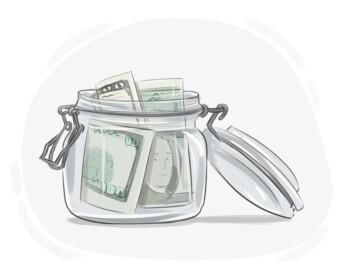
Ex: The company offered a bonus as an incentive for employees who exceeded their sales targets. 
Close
Sign in
savings
savings
[noun]

the amount of money that one has kept for future use, especially in a bank
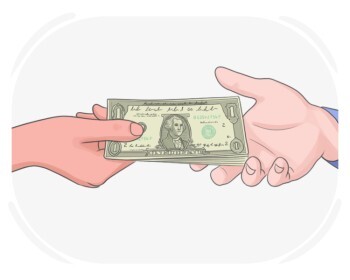
Ex: She diligently set aside a portion of her income each month to contribute to her savings account. 
Close
Sign in
loan
loan
[noun]

a sum of money that is borrowed from a bank which should be returned with a certain rate of interest
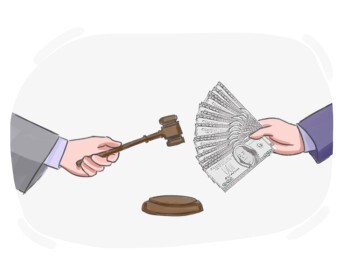
Ex: She took out a loan to buy her first home, which she plans to repay over 30 years. 
Close
Sign in
debt
debt
[noun]

an amount of money or a favor that is owed
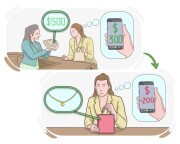
Ex: After years of diligent saving, he finally managed to pay off his student debt. 
Close
Sign in
overdraft
overdraft
[noun]

a deficit in a bank account caused by withdrawing more money than is available

Ex: The bank charged a fee for the overdraft on her account. 
Close
Sign in
tax
tax
[noun]

a sum of money that has to be paid, based on one's income, to the government so it can provide people with different kinds of public services

Ex: April 15th is the deadline for filing income tax returns in the United States. 
Close
Sign in
current account

a bank account that allows frequent deposits and withdrawals, typically using checks, with no prior notice required

Ex: They offer free banking services with their current account. 
Close
Sign in
loss
loss
[noun]

money that is lost by a company, organization, or individual

Ex: The business reported a significant loss for the quarter due to declining sales. 
Close
Sign in
wage
wage
[noun]

money that a person earns, daily or weekly, in exchange for their work
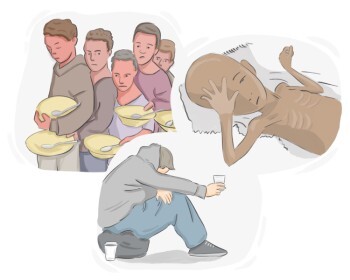
Ex: The company increased the minimum wage for its employees to attract and retain talent. 
Close
Sign in
poverty
poverty
[noun]

the condition of lacking enough money or income to afford basic needs like food, clothing, etc.
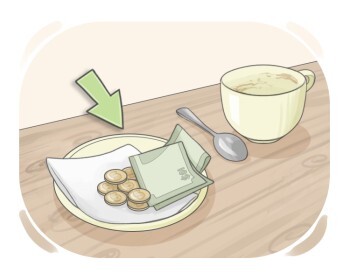
Ex: Many families in the area live in poverty and struggle to access basic services. 
Close
Sign in
tip
tip
[noun]

the additional money we give someone such as a waiter, driver, etc. to thank them for the services they have given us
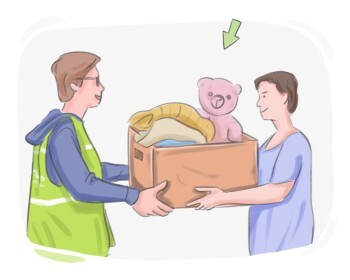
Ex: The hotel porter received a tip for carrying the luggage to the guests' room. 
Close
Sign in
donation
donation
[noun]

something that is voluntarily given to someone or an organization to help them, such as money, food, etc.

Ex: She made a donation to the local animal shelter. 
Close
Sign in
tariff
tariff
[noun]

a tax paid on goods imported or exported

Ex: The government imposed a tariff on imported steel to protect domestic producers. 
Close
Sign in
cash-back
cash-back
[noun]

money that a person can get in cash when buying something from a store with their debit card, which is then added to the bill they are paying

Ex: The credit card offers cash-back rewards for every purchase made, providing a percentage of the total amount spent back to the cardholder. 
Close
Sign in
till
till
[noun]

a machine that is used in restaurants, stores, etc. to calculate the overall price of something, store the received money, and record each transaction

Ex: The cashier quickly rang up the items at the till, making sure to give the customers their change. 
Close
Sign in
fundraising

the process or provision of financial aid for something such as a charity or cause, usually through holding special events

Ex: The nonprofit organization organized a fundraising gala to raise funds for cancer research. 
Close
Sign in
pension
pension
[noun]

a regular payment made to a retired person by the government or a former employer

Ex: My grandfather's pension allows him to travel during his retirement. 
Close
Sign in
lender
lender
[noun]

a person or entity that lends money to other people or organizations

Close
Sign in
blockchain

a decentralized digital ledger that records transactions across multiple computers securely

Close
Sign in
cryptocurrency

a digital or virtual form of currency secured by cryptography

Ex: Bitcoin is a popular type of cryptocurrency. 
Close
Sign in
bitcoin
bitcoin
[noun]

a decentralized digital currency

Close
Sign in
LanGeek
Download LanGeek app