Cambridge IELTS 18 - Academic "Test 1 - Reading - Passage 2 (1)" Vocabulary

Here you can find the vocabulary from Test 1 - Reading - Passage 2 (1) in the Cambridge IELTS 18 - Academic coursebook, to help you prepare for your IELTS exam.

review-disable

review

flashcard-disable

flashcard

spelling-disable

spelling

quiz-disable

quiz

start-learning
Cambridge IELTS 18 - Academic
practice [noun]

the act of applying or implementing an idea, theory, or plan into real-world actions or activities
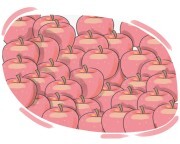
Ex: The practice of this teaching method has shown significant improvement in student engagement .
abundant [adjective]

existing or available in large quantities

Ex: In the market , there was an abundant supply of fresh vegetables .
traditional [adjective]

belonging to or following the methods or thoughts that are old as opposed to new or different ones

Ex: She decorated her living room in a traditional style , with classic wooden furniture and antique lamps .

to try to achieve a better result compared to that of other people or things
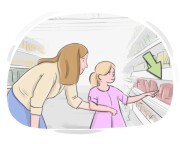
Ex: The new brand is ready to compete with the established giants in the market .
desirable [adjective]

worth doing or having

Ex: The vintage car 's impeccable condition and rarity made it highly desirable among collectors .

forming again (especially with improvements or removal of defects); renewing and reconstituting

vulnerable [adjective]

able to be physically harmed or wounded
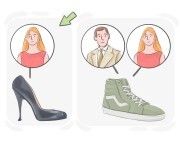
Ex: The coastal town is vulnerable to hurricanes .

only for one certain type of person or thing

Ex: She requested a room with a view of the ocean specifically for her morning meditation .

to aim or direct something, such as an action or effort, towards a specific goal or objective

Ex: The group targeted their fundraising efforts for disaster relief .
suitable [adjective]

appropriate for a certain situation or purpose

Ex: They needed to find a suitable venue for the conference .

the process of burning, characterized by the chemical reaction between a fuel and oxygen that produces heat and light

Ex: Combustion engines convert fuel into mechanical energy for various applications .
boiler [noun]

a closed vessel in which water is heated to create steam or hot water, used for heating buildings, producing electricity, or powering machines
Ex: A broken boiler in the middle of winter can be a serious problem .
power [noun]

the energy that is obtained through different means, such as electrical or solar, to operate different equipment or machines

Ex:
facility [noun]

a place or a building is designed and equipped for a specific function, such as healthcare, education, etc.

Ex: The community center is a multi-purpose facility offering classes , sports programs , and events .
coal [noun]

a type of fossil fuel, which is black and found in the ground, typically used as a source of energy
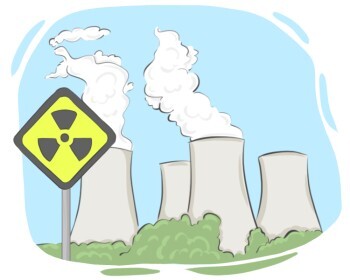
Ex: Despite efforts to transition to cleaner energy sources , coal remains an important fuel in many countries due to its abundance and affordability .
plant [noun]

a place, such as a factory, in which an industrial process happens or where power is produced
Ex:

to include something as part of a larger whole or system

Ex: The recipe incorporates fresh herbs to enhance its flavor .
stream [noun]

a steady, ongoing flow of something, like information, data, or objects

Ex: A steady stream of emails arrived in his inbox .

the creation of heat, electricity, or other forms of energy
Ex: Steam turbines are used in the generation of electricity .
fuel [noun]

any substance that can produce energy or heat when burned

Ex: Gasoline is a widely used fuel for vehicles .
ethanol [noun]

a type of alcohol fuel produced from renewable sources such as corn or sugarcane
Ex: They researched the ethanol fuel economy compared to gasoline .
gasoline [noun]

a liquid used by cars, trucks, etc. as a fuel

Ex: Prices for gasoline have gone up this month .
lorry [noun]

a large, heavy motor vehicle designed for transporting goods or materials over long distances

Ex: The company uses a fleet of lorries to transport goods across the country efficiently .
approach [noun]

a way of doing something or dealing with a problem

Ex: His cautious approach to investing saved him from major losses .
strongly [adverb]

to a large or significant degree

Ex: The evidence strongly suggests a different conclusion .

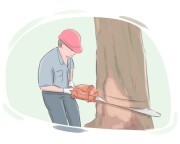
to cut through something at its base in order to make it fall

Ex: The city had to cut down several diseased trees to prevent the spread of the infection to healthier ones .
to allow [verb]

to make sure one has a sufficient amount of something such as time, food, money, etc. available for a specific purpose

Ex:

to stay in existence after other parts or elements have disappeared or been used up

Ex: When the cake was cut , only a small slice remained .
invasive [adjective]

aggressively intruding or spreading into a space or situation where something is unwelcome or harmful

Ex: The invasive advertising tactics bombarded consumers with unwanted messages .

a form of energy that is produced from organic or biological sources, which can be naturally replaced

sustainable [adjective]

using natural resources in a way that causes no harm to the environment

factor [noun]

one of the things that affects something or contributes to it
Ex: Economic stability is an important factor for investors when considering where to put their money .
species [noun]

a group that animals, plants, etc. of the same type which are capable of producing healthy offspring with each other are divided into

Ex: The red wolf is a species of wolf that is native to the southeastern United States .
function [noun]

the purpose or intended use of something

Ex: The function of the key is to unlock the door .

the quality or state of being easily reached, entered, used, or understood by everyone, regardless of any physical or mental limitations

Ex: The app 's accessibility features allow visually impaired users to navigate easily .
given [adjective]

stated or specified; acknowledged or supposed
Ex: The given task requires careful planning and execution .
timber [noun]

trees grown to be used in carpentry or construction

Ex: The carpenter selected the finest timber for crafting the custom furniture pieces .
log [noun]

a section of a tree trunk that has been cut or fallen, usually stripped of branches
Ex: The children balanced on a log by the river .
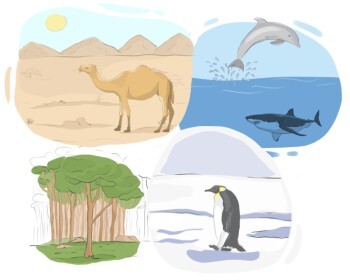
habitat [noun]

the place or area in which certain animals, birds, or plants naturally exist, lives, and grows
Ex: Urban expansion is destroying the habitat of many wild animals .
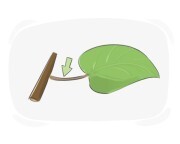
stem [noun]

the main part of a plant that connects the roots to the twigs, leaves, and flowers
Ex: The gardener trimmed the stem of the rose bush to promote new growth and healthier blooms .
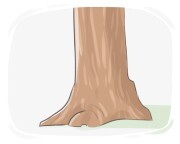
trunk [noun]

the main wooden body of a tree

Ex:
likewise [adverb]

used when introducing additional information to a statement that has just been made
Ex: You are responsible for submitting your part on time ; likewise , everyone else must meet the deadline .

to have an illness or disease

Ex: Access to quality healthcare is crucial for those who suffer from chronic illnesses , ensuring timely diagnosis and effective treatment .
solely [adverb]

with no one or nothing else involved

Ex: They focused solely on customer satisfaction during the redesign .
norm [noun]

a standard or expectation that guides behavior within a group or society

Ex: It has become the norm to work from home in many industries .

to discard or abandon someone or something as no longer relevant or important to one's present or future
Ex: The traveler left behind the familiar comforts of home , venturing into the unknown in search of new adventures .
formed [adjective]

having or given a form or shape

suited [adjective]

fitting for a specific purpose, situation, or person
Ex:
site [noun]

an area of land on which something is, was, or will be constructed

Ex:

the practice of selecting and keeping only the best or most valuable parts of something and leaving the rest behind, often used in mining, fishing, or logging

Ex: Officials are trying to stop high-grading in protected mining areas .
legacy [noun]

a lasting result or effect from past actions or events, often influencing the present or future

Ex: These ancient ruins are the legacy of a once-powerful empire .
stand [noun]

a group of plants, especially trees, of the same species growing together in a particular area

Ex: The stand of young saplings grew quickly in the fertile soil .
low-use [adjective]

not frequently or widely used, typically because of being lower in quality or less in demand

Ex: The forest contains a mix of high-value timber and low-use wood .
Cambridge IELTS 18 - Academic
Test 1 - Listening - Part 1 Test 1 - Listening - Part 2 (1) Test 1 - Listening - Part 2 (2) Test 1 - Listening - Part 3 (1)
Test 1 - Listening - Part 3 (2) Test 1 - Listening - Part 4 (1) Test 1 - Listening - Part 4 (2) Test 1 - Reading - Passage 1 (1)
Test 1 - Reading - Passage 1 (2) Test 1 - Reading - Passage 2 (1) Test 1 - Reading - Passage 2 (2) Test 1 - Reading - Passage 3 (1)
Test 1 - Reading - Passage 3 (2) Test 2 - Listening - Part 1 Test 2 - Listening - Part 2 (1) Test 2 - Listening - Part 2 (2)
Test 2 - Listening - Part 3 (1) Test 2 - Listening - Part 3 (2) Test 2 - Listening - Part 4 Test 2 - Reading - Passage 1 (1)
Test 2 - Reading - Passage 1 (2) Test 2 - Reading - Passage 1 (3) Test 2 - Reading - Passage 2 (1) Test 2 - Reading - Passage 2 (2)
Test 2 - Reading - Passage 2 (3) Test 2 - Reading - Passage 3 (1) Test 2 - Reading - Passage 3 (2) Test 2 - Reading - Passage 3 (3)
Test 3 - Listening - Part 1 Test 3 - Listening - Part 2 Test 3 - Listening - Part 3 Test 3 - Listening - Part 4
Test 3 - Reading - Passage 1 (1) Test 3 - Reading - Passage 1 (2) Test 3 - Reading - Passage 2 (1) Test 3 - Reading - Passage 2 (2)
Test 3 - Reading - Passage 3 (1) Test 3 - Reading - Passage 3 (2) Test 4 - Listening - Part 1 Test 4 - Listening - Part 2
Test 4 - Listening - Part 3 Test 4 - Listening - Part 4 Test 4 - Reading - Passage 1 (1) Test 4 - Reading - Passage 1 (2)
Test 4 - Reading - Passage 2 (1) Test 4 - Reading - Passage 2 (2) Test 4 - Reading - Passage 3 (1) Test 4 - Reading - Passage 3 (2)