
Humanitní Vědy ACT - Moc a Vláda
Naučte se slovní zásobu ACT humanitních věd pro moc a autoritu, včetně vedení, kontroly, vlivu, vlády, pravidla, hierarchie a výkonu politické nebo sociální moci.
Revize
Kartičky
tvary
Pravopis
Kvíz


a person who has the power to rule over a kingdom or empire, especially someone who inherits this power

panovník, monarcha
Korunovace panovníka byla velkolepá ceremonie, které se zúčastnili hodnostáři z celého světa.
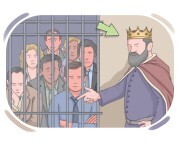
a ruler that has total power over a state, particularly a ruler who gained power through force
diktátor, tyran

a system of governing that is authoritarian and usually not selected in a fair election
režim, autoritativní vláda

a form of government where a single ruler or authority exercises absolute power without checks or limitations
despotismus, tyranie
Přechod od despotismu k demokracii vyžadoval dlouhý boj za občanská práva a politické svobody.
a bold uprising by a group, often soldiers or sailors, against their leaders
vzpoura, rebelie
Po měsících na moři bez výhledu na pevninu se mezi námořníky objevily známky vzpoury.
a rebellion or uprising, often involving violence, by a group of people against an authority or ruling power
povstání, vzpoura
Vzpoura se rychle rozšířila po celém regionu a získala podporu.
a situation in which people join together to fight against those in power
povstání, vzpoura
Dokument zkoumal příčiny dělnických povstání 20. století.
an organized action, usually violent, against an authority, attempting to bring about a change
vzpoura, povstání
the act of rebellion or resistance against established authority, typically through speech or conduct
vzpoura, rebelie
Distribuce letáků podporujících ozbrojené povstání vedla k obvinění z vzpoury proti aktivistické skupině.
a committed loyalty or dedication to a particular cause, group, or belief
věrnost, loajalita
Jeho oddanost fotbalovému týmu byla neochvějná, účastnil se každého zápasu bez ohledu na počasí.
the right or privilege of casting a vote in public elections
volební právo, právo volit
Některé země stále omezují volební právo na základě pohlaví, věku nebo socioekonomického statusu.
the state of being free from the control of others
nezávislost, autonomie

a country that has agreed to support and help another country, especially during a war or conflict
spojenec, spojenkyně
the process or movement of gaining freedom and equal rights for a disadvantaged or oppressed group
osvobození
a member of an unofficial armed group that uses irregular tactics, such as surprise attacks, against regular military or government forces
the freedom or right to act, think, or make choices as one wishes
svoboda, volnost
a campaign or organized effort to correct wrongdoing, abuses, or malpractices
reforma, reformní kampaň
an organized group that tries to influence government decisions or public policy in support of particular interests
lobby

an alliance of different groups, political parties, or countries formed to work together for a particular purpose
koalice, aliance
a condition in which individuals are forced to work or provide services against their will, without the ability to freely leave or negotiate their conditions
otroctví, nevolnictví
Oběti obchodu s lidmi často trpí dlouhými obdobími otroctví, jsou vystaveny fyzickému a psychickému zneužívání.
a person who takes over a job, position, title, or role after someone else
nástupce, následovník
the action of assuming an important position or title
nástup na trůn, nastoupení
Po letech výcviku a oddanosti bylo jeho povýšení do hodnosti generála hrdou chvílí pro jeho rodinu.

a lineage of kings who rule a country or nation over a long period of time
dynastie
Dynastie Ming vládla Číně od roku 1368 do roku 1644.
making decisions based on the preferences of the majority, often without significant consideration for the rights or interests of minority groups
většinový, založený na většině
Majoritní tendence v tvorbě politik mohou vést k zanedbávání marginalizovaných komunit.
using power or authority in a cruel and oppressive way against other people
tyranský, despotický
Pod železnou pěstí tyranského vládce byli nevinní jedinci vystaveni libovolným zatčením, mučení a dlouhodobému zadržení.
(of actions, speech, writings, etc.) encouraging rebellion against established authority or government
vzbouřenecký, rebelantský
Vzbouřenecké činy jsou důkladně sledovány orgány činnými v trestním řízení za účelem ochrany národní bezpečnosti a veřejného pořádku.
oppressed or treated unfairly, especially by those in power
utlačovaný, ponížený
Román vypráví příběh utlačovaného protagonisty, který povstane proti nepřízni osudu.

ordered or required by a rule or law
povinný, vyžadovaný
Účast na výroční valné hromadě je pro všechny akcionáře povinná.
relating to an empire or to an emperor or empress
imperiální, císařský
relating to the armed forces that operate at seas or waters in general
námořní, vztahující se k moři
Námořní architekti navrhují lodě pro různé účely, od přepravy nákladu po vojenské operace.
to give up, surrender, or part with a possession, right, or claim
vzdát se, ustoupit
Společnost musela vzdát se své kontroly nad trhem.
to officially take possession or control of something, typically for military or governmental purposes, often without the consent of the owner
zabavit, rekvirovat
V době války mají úřady pravomoc zabavit zdroje nezbytné pro obranné úsilí.

(of a monarch or ruler) to step down from a position of power
abdikovat, vzdát se trůnu
Král se rozhodl abdikovat trůn ve prospěch svého nástupce.
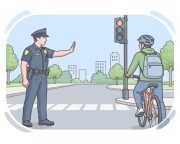
to make sure that a law, rule, or regulation is obeyed
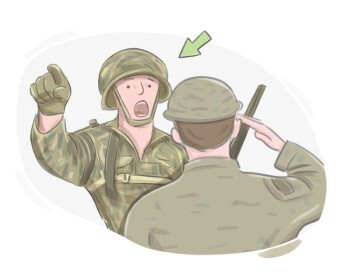
to give an official order to a person or an animal to perform a particular task
přikazovat, velet
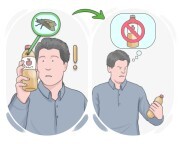
to refuse to buy, use, or participate in something as a way to show disapproval or to try to bring about a change
bojkotovat, zúčastnit se bojkotu
Škola bojkotovala zkoušku kvůli nespravedlivým klasifikačním politikám.
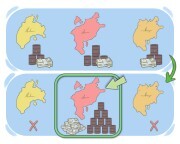
to have the power to completely or partially control someone or something
dominovat, ovládat

to wrongly take someone else's position, power, or right
uzurpovat, neoprávněně převzít
V mnoha příbězích se zlé macechy snaží uzurpovat právoplatné místo princezny.
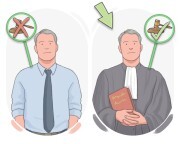
to give someone the right or qualification to have, receive, or do something
opravňovat, dávat právo
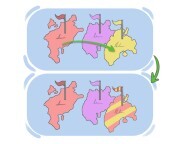
to establish control over an area or people, often by settling and exploiting it
kolonizovat

to formally approve a decision, action, etc., typically through an official process or legal means
ratifikovat, oficiálně schválit
Správní rada se sešla, aby ratifikovala dohodu o fúzi mezi oběma společnostmi, čímž oficiálně uzavřela obchod.
to impose an official penalty or punitive measure on someone or something
sankcionovat, potrestat
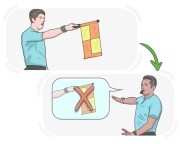
to use one's official or political authority to change or reject a previously made decision
zrušit, překazit
V ústavním právu může vyšší soud zrušit legislativu, pokud je považována za protiústavní.
to take control of or incorporate additional land into an existing country or state
anektovat, připojit
Vládcovou ambicí bylo připojit sousední království, aby upevnil svou moc.
