
روابط - خانواده
بر اصطلاحات انگلیسی مربوط به خانواده مسلط شوید، مانند "متولد و پرورش یافته" و "گوسفند سیاه".
مرور
فلشکارتها
آزمون
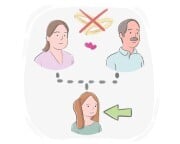
a child who had parents that were not married to one another

بچهٔ نامشروع, فرزند خارج از ازدواج
آن بازیگر بعدها اعتراف کرد که بچهٔ نامشروع دارد.
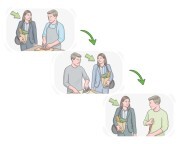
a woman that is regarded as the one who provides for her family
مادر نانآور, سرپرست خانواده
همه به او احترام میگذاشتند چون سرپرست خانواده بود.

used to refer to a child whose parents were not married at the time of birth
بچهٔ نامشروع, خارج از ازدواج به دنیا آمده
آن سند قدیمی نشان میداد که او خارج از ازدواج به دنیا آمده است.
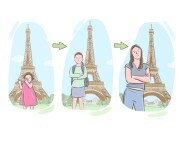
used to refer to a place one was born or grew up in
زاده و بزرگشدهٔ, بومی
او یک کشاورزِ زاده و بزرگشدهٔ روستاست.

to be expecting a child
حامله بودن, بچه در راه داشتن
تازه اعلام کردند که بچه در راه دارند.

to protect or treat someone or something in an overly cautious or overprotective manner
لوس بار آوردن, نازپرورده بار آوردن
نمیشود بچهها را همیشه لوس بار آورد.
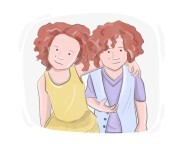
a specific sibling combination consisting of a boy and a girl, typically born consecutively in the same family
یک پسر و یک دختر, خواهر و برادر
خالهام همیشه دلش یک پسر و یک دختر میخواست.
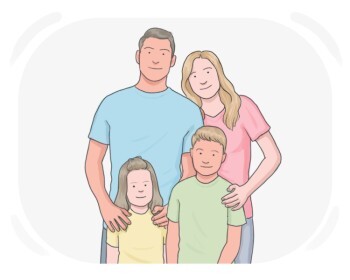
used to describe someone with whom one shares a family relation
خون و گوشت خود, خویشاوند خونی
نمیتوانی خویشاوند خونیات را رها کنی.

a lecture or reprimand a wife gives to her husband in private
سرزنش خصوصی شوهر, سرزنش خانگی
او به خاطر خرج کردن پول، شوهرش را خصوصی سرزنش کرد.
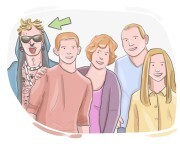
someone who is regarded as shameful, embarrassing, or disgraceful within their family or group
لکه ننگ خانواده, فرزند ناخلف
هر خانوادهای یک فرزند ناخلف دارد.
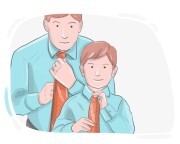
someone who closely resembles their parent, especially in terms of personality, traits, or behavior
سیب از وسط نصفشده, خیلی شبیه پدر یا مادر
از نظر اراده شبیه پدر و مادرش است.
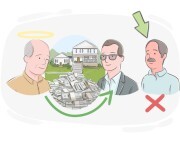
to disinherit or withdraw financial support from a family member as a way to express disapproval or to enforce certain behaviors or decisions
از ارث محروم کردن, قطع حمایت مالی
او پس از ازدواج برخلاف خواست والدین از ارث محروم شد.
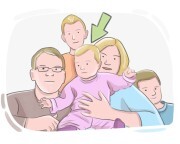
used to refer to the youngest child of a family
تهتغاری, کوچکترین فرزند
تهتغاری خانواده معمولاً توجه بیشتری میگیرد.
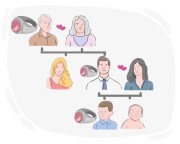
used to refer to the passing down of traditions, knowledge, values, or skills from one generation to the next, especially from a father to his son
از نسلی به نسل دیگر, نسل اندر نسل
سنتها از نسلی به نسل دیگر حفظ میشوند.

to be a characteristic, quality, ability, or medical condition that occurs repeatedly among members of the same family, often because it is inherited
one's relatives, friends, and other people with whom one has close personal or family connections
pregnant or expecting a baby, especially when referring to pregnancy in a polite or indirect manner
pregnant, especially when referring to an unexpected or unplanned pregnancy in a casual or humorous manner
pregnant, particularly when the pregnancy is unexpected or discussed in a humorous or indirect way
pregnant or expecting a baby, used as a humorous or lighthearted way of referring to pregnancy
a family situation or stage of life in which the children have grown up and moved away from home, leaving their parents living without them
used to refer to one's closest and most intimate family members or friends
عزیزان و نزدیکان
to behave as though a family or group is happy, united, and free from conflict, especially when disagreements or tensions actually exist
a woman who is excessively protective, attentive, or concerned about the well-being of others, often treating them as though they need constant care and supervision
a boy or man who is considered excessively dependent on or attached to his mother, especially when he relies on her for decisions, approval, or emotional support
a distant relative or someone related through extended family connections who is familiar enough to be greeted affectionately, although not part of one's immediate family
one's biological children or descendants, especially when emphasizing the family relationship in a humorous, dramatic, or old-fashioned manner
to leave one's parents' home and begin living independently, especially upon reaching adulthood or starting a new stage of life
used to refer affectionately or humorously to the arrival or expected arrival of a baby, especially when expressing hopes or expectations about having children
pregnant or carrying an unborn baby, especially when expressing the condition in a formal, literary, or old-fashioned manner
to be pregnant and therefore thought to need more food or nourishment than usual, often used humorously to explain an increased appetite
the birth of a baby, especially when regarded as a happy, fortunate, or important occasion for the family
a newborn baby or very young child, especially when regarded as a source of great happiness, affection, and excitement for the family
