
العلاقات - عائلة
أتقن التعابير الإنجليزية الاصطلاحية المتعلقة بالعائلة، مثل "ولد وترعرع" و "خروف أسود".
مراجعة
بطاقات تعليمية
اختبار قصير
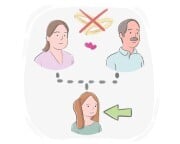
a child who had parents that were not married to one another

طفل خارج الزواج, ابن غير شرعي
تقبّلت العائلة في النهاية الطفل خارج الزواج كفردٍ منها.
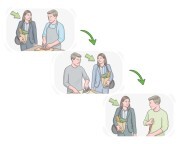
a woman that is regarded as the one who provides for her family
الأم المعيلة, عماد الأسرة
في المجتمع، كانت تُعرف بالأم المعيلة.
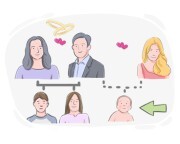
used to refer to a child whose parents were not married at the time of birth
مولود خارج الزواج, ابن غير شرعي
كانت العبارة تُستخدم بقسوة من قبل للأطفال المولودين خارج الزواج.
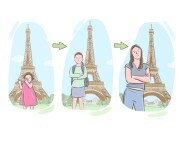
used to refer to a place one was born or grew up in
مولود ونشأ في, ابن المنطقة
الشخص المولود والنشأ هنا يعرف كل الأماكن المخفية.
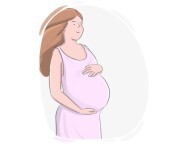
to be expecting a child
حامل, تنتظر مولوداً
تحمس الجميع عندما سمعوا أنها حامل.
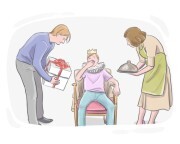
to protect or treat someone or something in an overly cautious or overprotective manner
تدليل زائد, الحماية الزائدة
كانت ابنتهم مدللة من جميع أفراد العائلة.
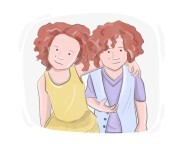
a specific sibling combination consisting of a boy and a girl, typically born consecutively in the same family
ولد وبنت, أخ وأخت
تأمل بعض العائلات في إنجاب ولد وبنت بعد طفلهما الأول.
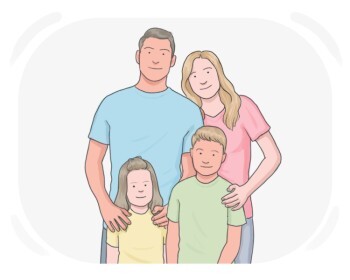
used to describe someone with whom one shares a family relation
من لحمه ودمه, أقرب الناس
عامل أقاربه باحترام كبير.

a lecture or reprimand a wife gives to her husband in private
توبيخ زوجي في الخفاء, لوم الزوجة لزوجها سراً
وصفت الرواية القديمة التوبيخ السري بطريقة ساخرة.
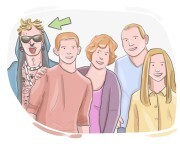
someone who is regarded as shameful, embarrassing, or disgraceful within their family or group
الابن المشين, العائلة المخزية
غالباً ما يشعر الابن المشين بالإقصاء.
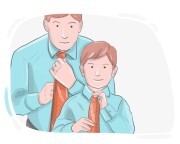
someone who closely resembles their parent, especially in terms of personality, traits, or behavior
ابن أبيه, يشبه والده تماماً
يمكنك أن ترى أنها تشبه والدها تماماً.
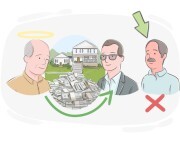
to disinherit or withdraw financial support from a family member as a way to express disapproval or to enforce certain behaviors or decisions
حرمان من الإرث, قطع الدعم المالي
خافت من حرمانها من الإرث لأنها تكلمت.
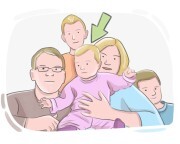
used to refer to the youngest child of a family
أصغر أبناء العائلة, الطفل الأصغر
بصفته أصغر أبناء العائلة، كان مدللاً دائماً.
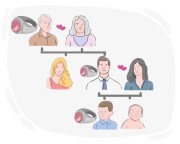
used to refer to the passing down of traditions, knowledge, values, or skills from one generation to the next, especially from a father to his son
من جيل إلى جيل, تناقل التراث عبر الأجيال
بقيت الشركة داخل العائلة من جيل إلى جيل.

to be a characteristic, quality, ability, or medical condition that occurs repeatedly among members of the same family, often because it is inherited
one's relatives, friends, and other people with whom one has close personal or family connections
pregnant or expecting a baby, especially when referring to pregnancy in a polite or indirect manner
pregnant, especially when referring to an unexpected or unplanned pregnancy in a casual or humorous manner
pregnant, particularly when the pregnancy is unexpected or discussed in a humorous or indirect way
pregnant or expecting a baby, used as a humorous or lighthearted way of referring to pregnancy
a family situation or stage of life in which the children have grown up and moved away from home, leaving their parents living without them
used to refer to one's closest and most intimate family members or friends
to behave as though a family or group is happy, united, and free from conflict, especially when disagreements or tensions actually exist
a woman who is excessively protective, attentive, or concerned about the well-being of others, often treating them as though they need constant care and supervision
a boy or man who is considered excessively dependent on or attached to his mother, especially when he relies on her for decisions, approval, or emotional support
a distant relative or someone related through extended family connections who is familiar enough to be greeted affectionately, although not part of one's immediate family
one's biological children or descendants, especially when emphasizing the family relationship in a humorous, dramatic, or old-fashioned manner
to leave one's parents' home and begin living independently, especially upon reaching adulthood or starting a new stage of life
used to refer affectionately or humorously to the arrival or expected arrival of a baby, especially when expressing hopes or expectations about having children
pregnant or carrying an unborn baby, especially when expressing the condition in a formal, literary, or old-fashioned manner
to be pregnant and therefore thought to need more food or nourishment than usual, often used humorously to explain an increased appetite
the birth of a baby, especially when regarded as a happy, fortunate, or important occasion for the family
a newborn baby or very young child, especially when regarded as a source of great happiness, affection, and excitement for the family
