pattern

فهرست واژگان سطح C1 - دستورزبان

در اینجا شما برخی از کلمات انگلیسی را در مورد اجزای زبان، مانند "مصدر"، "مصدر فعلی"، "عدد" و غیره یاد خواهید گرفت که برای زبان آموزان سطح C1 آماده شده است.

مرور

فلش‌کارت‌ها

املای کلمه

آزمون

شروع یادگیری
CEFR C1 Vocabulary
linguistic
linguistic
[صفت]

related to the science of language, including its structure, usage, and evolution

زبان‌شناختی

زبان‌شناختی

Ex: The linguistic diversity of the world's languages is a topic of interest for linguists studying language typology. 

تنوع زبانی زبان‌های جهان موضوعی مورد علاقه برای زبان‌شناسانی است که به مطالعه گونه‌شناسی زبان می‌پردازند.

بستن
ورود
infinitive
infinitive
[اسم]

(grammar) the root form of a verb

مصدر (دستورزبان)

مصدر (دستورزبان)

Ex: Examples of infinitives include "to run," "to eat," and "to sleep." 

نمونه‌هایی از مصدر شامل "دویدن"، "خوردن" و "خوابیدن" می‌شود.

بستن
ورود
gerund
gerund
[اسم]

(grammar) a form of a verb that functions as a noun and is formed by adding the suffix -ing to the base form of the verb

اسم مصدر

اسم مصدر

Ex: Examples of gerunds include "swimming," "reading," and "writing." 

نمونه‌هایی از مصدر فعلی شامل "شنا کردن"، "خواندن" و "نوشتن" می‌شود.

بستن
ورود
transitive verb

(grammar) a verb that needs a direct object

فعل گذرا, فعل متعدی

فعل گذرا, فعل متعدی

Ex: Examples of transitive verbs include "eat," "love," and "throw." 

نمونه‌هایی از افعال متعدی شامل "خوردن"، "دوست داشتن" و "پرتاب کردن" می‌شود.

بستن
ورود
intransitive verb

(grammar) a verb without a direct object

فعل ناگذر, فعل لازم

فعل ناگذر, فعل لازم

Ex: Examples of intransitive verbs include "laugh," "sleep," and "arrive." 

نمونه‌هایی از افعال لازم شامل "خندیدن"، "خوابیدن" و "رسیدن" می‌شود.

بستن
ورود
number
number
[اسم]

(grammar) the form of a word that indicates whether one, two, or more things or people are being referred to

شمار (دستورزبان)

شمار (دستورزبان)

Ex: The subject-verb agreement rule states that a singular subject must agree with a singular verb in number, while a plural subject must agree with a plural verb. 

قاعده توافق فاعل و فعل بیان می‌کند که یک فاعل مفرد باید با یک فعل مفرد در عدد توافق داشته باشد، در حالی که یک فاعل جمع باید با یک فعل جمع توافق داشته باشد.

بستن
ورود
person
person
[اسم]

(grammar) each of the three classes of pronouns that refers to who is speaking, who is being spoken to, or others that are not present during the conversation

شخص (دستورزبان)

شخص (دستورزبان)

Ex: First-person pronouns like 'I,' 'me,' and 'we' refer to the speaker or speakers themselves, while second-person pronouns like 'you' refer to the person or people being addressed. 

ضمایر اول شخص مانند 'من'، 'مرا' و 'ما' به گوینده یا گویندگان اشاره می‌کنند، در حالی که ضمایر دوم شخص مانند 'تو' به شخص یا اشخاصی که مورد خطاب قرار می‌گیرند اشاره می‌کنند.

بستن
ورود
voice
voice
[اسم]

(grammar) the form of a verb that indicates whether the subject does something or something is done to it

جهت فعل (دستورزبان)

جهت فعل (دستورزبان)

Ex: In English grammar, the passive voice is used when the subject of a sentence is acted upon by the verb, rather than performing the action itself. 

در دستور زبان انگلیسی، صوت مجهول زمانی استفاده می‌شود که فاعل جمله توسط فعل عمل می‌کند، به جای اینکه خود عمل را انجام دهد.

بستن
ورود
gender
gender
[اسم]

(grammar) a class of words indicating whether they are feminine, masculine, or neuter

جنس (دستورزبان)

جنس (دستورزبان)

Ex: German is unique in that it also includes a neuter gender, in addition to masculine and feminine, for classifying nouns. 

آلمانی منحصر به فرد است زیرا علاوه بر مذکر و مؤنث، یک جنسیت خنثی را نیز برای طبقه‌بندی اسم‌ها شامل می‌شود.

بستن
ورود
feminine
feminine
[صفت]

(of a language's grammar) referring to females

مؤنث (دستورزبان)

مؤنث (دستورزبان)

Ex: Adjectives and articles in these languages must agree in gender and number with the feminine nouns they modify, such as 'la casa bonita' (the beautiful house). 

صفت‌ها و مقاله‌ها در این زبان‌ها باید در جنس و عدد با اسم‌های مونثی که تغییر می‌دهند مطابقت داشته باشند، مانند 'لا کاسا بونیتا' (خانه زیبا).

بستن
ورود
masculine
masculine
[صفت]

(of a language's grammar) referring to males

مذکر (دستورزبان)

مذکر (دستورزبان)

Ex: Adjectives and articles in these languages must agree in gender and number with the masculine nouns they modify, such as ' el libro grande' (the big book). 

صفت‌ها و مقاله‌ها در این زبان‌ها باید در جنس و عدد با اسم‌های مذکر که تغییر می‌دهند مطابقت داشته باشند، مانند 'el libro grande' (کتاب بزرگ).

بستن
ورود
subjunctive
subjunctive
[صفت]

(grammar) related to verbs that express wishes, possibility, or doubt

التزامی (دستورزبان)

التزامی (دستورزبان)

Ex: Understanding when to use the subjunctive mood in language is important for conveying nuances of meaning and expressing certain attitudes or beliefs. 

درک زمان استفاده از حالت شرطی در زبان برای انتقال ظرافت‌های معنی و بیان نگرش‌ها یا باورهای خاص مهم است.

بستن
ورود
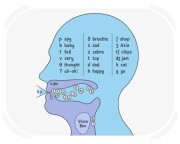
phonetics
phonetics
[اسم]

the science and study of speech sounds and their production

آواشناسی (زبان‌شناسی)

آواشناسی (زبان‌شناسی)

Ex: A phonetics researcher analyzes speech sounds using techniques such as spectrograms and acoustic analysis to understand their properties and patterns. 

یک محقق آواشناسی با استفاده از تکنیک‌هایی مانند طیف‌نگاره‌ها و تحلیل آکوستیک، اصوات گفتار را تحلیل می‌کند تا ویژگی‌ها و الگوهای آن‌ها را درک کند.

بستن
ورود
intonation
intonation
[اسم]

(phonetics) the rising and falling of the voice when speaking

آهنگ (زبان‌شناسی), تکیه صدا

آهنگ (زبان‌شناسی), تکیه صدا

Ex: Different languages have distinct intonation patterns, such as the rising intonation at the end of yes-no questions in English, as in 'Are you coming? 

زبان‌های مختلف الگوهای آهنگ متمایزی دارند، مانند آهنگ صعودی در پایان سوالات بله-خیر در انگلیسی، مانند 'Are you coming?'

بستن
ورود
dialect
dialect
[اسم]

the spoken form of a language specific to a certain region or people which is slightly different from the standard form in words and grammar

گویش

گویش

Ex: Regional dialects in English, such as British English, American English, and Australian English, vary in pronunciation, vocabulary, and even grammar rules. 

لهجه‌های منطقه‌ای در انگلیسی، مانند انگلیسی بریتانیایی، انگلیسی آمریکایی و انگلیسی استرالیایی، در تلفظ، واژگان و حتی قواعد دستوری متفاوت هستند.

بستن
ورود
proverb
proverb
[اسم]

a well-known statement or phrase that expresses a general truth or gives advice

ضرب‌المثل

ضرب‌المثل

Ex: The proverb 'A stitch in time saves nine' advises that addressing problems early can prevent them from becoming larger issues. 

ضرب‌المثل 'یک دوخت به موقع نه را نجات می‌دهد' توصیه می‌کند که رسیدگی زودهنگام به مشکلات می‌تواند از تبدیل شدن آنها به مسائل بزرگتر جلوگیری کند.

بستن
ورود
idiom
idiom
[اسم]

a group of words or a phrase that has a meaning different from the literal interpretation of its individual words, often specific to a particular language or culture

اصطلاح

اصطلاح

Ex: When someone says 'it's raining cats and dogs,' they're using an idiom to describe very heavy rain, not an actual downpour of animals. 

وقتی کسی می‌گوید 'از آسمان سگ و گربه می‌بارد،' از یک اصطلاح برای توصیف باران بسیار شدید استفاده می‌کند، نه یک بارش واقعی از حیوانات.

بستن
ورود
jargon
jargon
[اسم]

words, phrases, and expressions used by a specific group or profession, which are incomprehensible to others

اصطلاحات مخصوص یک صنف, زبان فنی

اصطلاحات مخصوص یک صنف, زبان فنی

Ex: Legal jargon, including terms like 'habeas corpus,' 'amicus curiae,' and 'subpoena,' can be difficult for non-lawyers to understand. 

اصطلاحات حقوقی، شامل عباراتی مانند 'هابیاس کورپوس'، 'آمیکوس کوری' و 'ساپینا'، می‌تواند برای غیرحقوقدانان دشوار باشد.

بستن
ورود
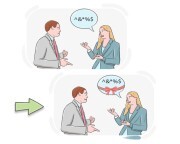
slang
slang
[اسم]

words or expressions that are very informal and more common in spoken form, used especially by a particular group of people, such as criminals, children, etc.

زبان عامیانه

زبان عامیانه

Ex: In the 1920s, 'the bee's knees' was popular slang for something outstanding or extraordinary. 

در دهه 1920، 'the bee's knees' یک عامیانه محبوب برای چیزی برجسته یا فوق العاده بود.
بستن
ورود
euphemism
euphemism
[اسم]

a word or expression that is used instead of a harsh or insulting one in order to be more tactful and polite

حسن تعبیر, بـه‌گویی

حسن تعبیر, بـه‌گویی

Ex: To avoid upsetting the children, she employed a euphemism, saying their pet rabbit had "gone to a farm" instead of mentioning its death. 

برای جلوگیری از ناراحت کردن بچه‌ها، او از کنایه استفاده کرد و گفت که خرگوش خانگی‌شان "به یک مزرعه رفته" به جای اشاره به مرگ آن.

بستن
ورود
to punctuate
to punctuate
[فعل]

to use punctuation marks in a text in order to make it more understandable

نقطه‌گذاری کردن (دستورزبان), نشانه‌گذاری کردن

نقطه‌گذاری کردن (دستورزبان), نشانه‌گذاری کردن

Ex: The teacher reminded the students to punctuate their dialogue with quotation marks to indicate when a character is speaking. 

معلم به دانش‌آموزان یادآوری کرد که گفتگوی خود را با استفاده از علامت‌های نقل قول نقطه‌گذاری کنند تا نشان دهند چه زمانی یک شخصیت صحبت می‌کند.

بستن
ورود
colon
colon
[اسم]

the punctuation mark : used to introduce a quotation, explanation, or list of items

دونقطه (نشانه‌گذاری)

دونقطه (نشانه‌گذاری)

Ex: The professor explained that a colon is used to introduce an explanation: it helps clarify the preceding statement. 

پروفسور توضیح داد که یک دو نقطه برای معرفی یک توضیح استفاده می‌شود: به روشن‌سازی بیانیه قبلی کمک می‌کند.

بستن
ورود
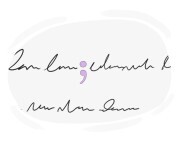
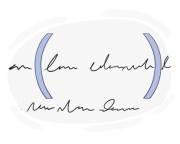
semicolon
semicolon
[اسم]

the punctuation mark ; used to separate the items in a list or to indicate a pause between two main clauses in a compound sentence

نقطه‌ویرگول (علامت ؛)

نقطه‌ویرگول (علامت ؛)

Ex: A semicolon can also be used in complex lists where the items themselves contain commas: for example, 'The meeting was attended by John, the CEO; Jane, the CFO; and Emily, the COO. 

یک نقطه ویرگول همچنین می‌تواند در لیست‌های پیچیده‌ای استفاده شود که خود آیتم‌ها شامل ویرگول هستند: برای مثال، 'جلسه با حضور جان، مدیرعامل؛ جین، مدیر مالی؛ و امیلی، مدیر عملیات برگزار شد.'
بستن
ورود
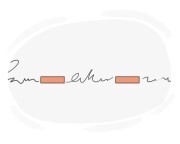
parenthesis
parenthesis
[اسم]

either of the symbols ( ) used in writing to enclose extra information that is given or to group a symbolic unit in logic or mathematics

پرانتز

پرانتز

Ex: The author added a clarification in parenthesis to explain a concept further to the reader. 

نویسنده برای توضیح بیشتر یک مفهوم به خواننده، توضیحی در پرانتز اضافه کرد.
بستن
ورود
hyphen
hyphen
[اسم]

a small line used to connect words or parts of words

خط پیوند (علامت -), خط ربط

خط پیوند (علامت -), خط ربط

Ex: He emphasized the importance of using a hyphen to avoid ambiguity in phrases like 'man-eating shark' versus 'man eating shark. 

او بر اهمیت استفاده از خط تیره برای جلوگیری از ابهام در عباراتی مانند 'کوسه مردم‌خوار' در مقابل 'مردی که کوسه می‌خورد' تأکید کرد.

بستن
ورود
slash
slash
[اسم]

the symbol / used in print or writing to indicate alternatives or fractions, etc.

خط اریب (نشان /), کج‌خط، اسلش

خط اریب (نشان /), کج‌خط، اسلش

Ex: The recipe called for 1/2 cup of sugar, with the slash representing a fraction. 

دستور غذا نیاز به 1/2 فنجان شکر داشت، که اسلش نشان‌دهنده یک کسر بود.

بستن
ورود
interjection
interjection
[اسم]

(grammar) a phrase or word used suddenly to express a particular emotion

حرف ندا (دستورزبان)

حرف ندا (دستورزبان)

Ex: She used the word 'interjection' in her English essay to demonstrate her understanding of grammar. 

او از کلمه حرف ندا در مقاله انگلیسی خود استفاده کرد تا درک خود از دستور زبان را نشان دهد.

بستن
ورود
particle
particle
[اسم]

(grammar) an adverb or preposition that is used with a verb to form a phrasal verb

حرف (دستورزبان), وند

حرف (دستورزبان), وند

Ex: She carefully explained the function of each particle in the phrasal verb 'break down. 

او با دقت عملکرد هر ذره را در فعل عبارتی 'break down' توضیح داد.

بستن
ورود
e.g.
e.g.
[قید]

used before providing an example

برای مثال, به‌عنوان نمونه، مثلا

برای مثال, به‌عنوان نمونه، مثلا

Ex: There are several factors that contribute to climate change, e.g., deforestation, greenhouse gas emissions, and industrial pollution. 

عوامل متعددی در تغییر اقلیم نقش دارند، به عنوان مثال، جنگل‌زدایی، انتشار گازهای گلخانه‌ای و آلودگی صنعتی.

بستن
ورود
ungrammatical

not conforming with the rules of grammar

اشتباه (از نظر دستوری)

اشتباه (از نظر دستوری)

Ex: In English, subject-verb agreement errors can make a sentence ungrammatical. 

در انگلیسی، خطاهای توافق فاعل-فعل می‌توانند جمله را ناقض دستور زبان کنند.

بستن
ورود
LanGeek
دانلود اپلیکشن LanGeek