
Listă de Cuvinte Nivel C1 - Componentele Limbii
Aici veți învăța câteva cuvinte în engleză despre componentele limbii, cum ar fi "infinitiv", "gerunziu", "număr" etc., pregătite pentru elevii de nivel C1.
Revizuire
Fișe de studiu
Ortografie
Chestionar

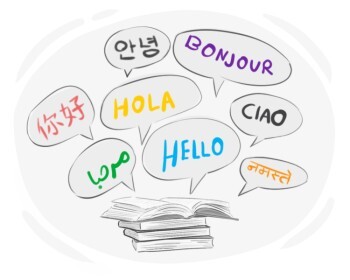
related to the science of language, including its structure, usage, and evolution

lingvistic, de limbă
Cercetarea lingvistică explorează complexitatea achiziției limbii, sintaxei și foneticii.

(grammar) the root form of a verb
infinitiv, forma de bază a verbului
În gramatica engleză, infinitivul este forma de bază a unui verb, precedată de obicei de "to".
(grammar) a form of a verb that functions as a noun and is formed by adding the suffix -ing to the base form of the verb
gerunziu, formă verbală care funcționează ca substantiv
Un gerunziu este o formă verbală care funcționează ca un substantiv, terminându-se în "-ing".
(grammar) a verb that needs a direct object
verb tranzitiv, verb care necesită un obiect direct
Un verb tranzitiv este un verb care necesită un obiect direct pentru a-și completa sensul.
(grammar) a verb without a direct object
verb intranzitiv, verb fără obiect direct
Un verb intranzitiv este un verb care nu necesită un obiect direct pentru a-și completa sensul.
(grammar) the form of a word that indicates whether one, two, or more things or people are being referred to
număr, număr gramatical
Regula de acord subiect-predicat stipulează că un subiect singular trebuie să se acorde cu un predicat singular în număr, în timp ce un subiect plural trebuie să se acorde cu un predicat plural.
(grammar) each of the three classes of pronouns that refers to who is speaking, who is being spoken to, or others that are not present during the conversation
persoană, subiect
Pronumele de persoană întâi precum 'eu', 'mie' și 'noi' se referă la vorbitor sau vorbitori înșiși, în timp ce pronumele de persoană a doua precum 'tu' se referă la persoana sau persoanele cărora li se adresează.
(grammar) the form of a verb that indicates whether the subject does something or something is done to it
voce, vocea verbului
În gramatica engleză, diatéza pasivă este folosită atunci când subiectul unei propoziții este acționat de verb, mai degrabă decât să efectueze acțiunea însuși.
(grammar) a class of words indicating whether they are feminine, masculine, or neuter
gen
În multe limbi, cum ar fi spaniola și franceza, substantivele sunt atribuite unui gen—fie masculin, fie feminin—indiferent de genul real al obiectului pe care îl reprezintă.
(of a language's grammar) referring to females
feminin
În limbile cu gen gramatical, cum ar fi spaniola sau franceza, substantivele precum 'la casa' (casa) sau 'la table' (masa) sunt clasificate ca feminine.
(of a language's grammar) referring to males
masculin
În limbile cu gen gramatical, cum ar fi spaniola sau franceza, substantivele precum 'el libro' (cartea) sau 'le garçon' (băiatul) sunt clasificate ca masculine.
(grammar) related to verbs that express wishes, possibility, or doubt
subjonctiv, al subjonctivului
Modul subjonctiv apare adesea în propoziții introduse de anumite conjuncții, cum ar fi 'dacă', 'dacă', 'ca să nu' sau 'că'.
the science and study of speech sounds and their production
fonetică
Fonetica este ramura lingvisticii care studiază sunetele vorbirii umane, inclusiv producerea, transmiterea și recepția lor.
(phonetics) the rising and falling of the voice when speaking
intonatie
În fonetică, intonarea se referă la modelul de creștere și scădere a tonului în vorbire, care transmite semnificație, emoție și accent.

the spoken form of a language specific to a certain region or people which is slightly different from the standard form in words and grammar
dialect, grai
Un dialect este o varietate a unei limbi vorbită de un anumit grup de oameni, caracterizată printr-un vocabular, gramatică și pronunție unice.
a well-known statement or phrase that expresses a general truth or gives advice
proverb, zicală
Un proverb binecunoscut spune: 'Faptele vorbesc mai tare decât cuvintele', subliniind importanța faptelor în locul promisiunilor.
a group of words or a phrase that has a meaning different from the literal interpretation of its individual words, often specific to a particular language or culture
idiom, expresie idiomatică
Idiomul 'kick the bucket' înseamnă a muri, iar sensul său este destul de diferit de interpretarea literală a lovirii unei găleți.
words, phrases, and expressions used by a specific group or profession, which are incomprehensible to others
jargon, limbaj specializat
Profesioniștii medicali folosesc adesea jargon precum 'stat', 'BP' și 'code blue', ceea ce poate fi derutant pentru cei din afara domeniului sănătății.
words or expressions that are very informal and more common in spoken form, used especially by a particular group of people, such as criminals, children, etc.
argou, limbaj colocvial
Adolescenții folosesc adesea argou precum 'lit' pentru a descrie ceva care este captivant sau excelent, ceea ce poate să nu fie ușor de înțeles de către generațiile mai în vârstă.
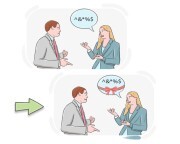
a word or expression that is used instead of a harsh or insulting one in order to be more tactful and polite
eufemism, expresie atenuată
"Între joburi" este un eufemism pentru a fi șomer.
to use punctuation marks in a text in order to make it more understandable
punctuație
Când scrii un eseu, este important să punctezi corect propozițiile tale pentru a te asigura că ideile tale sunt comunicate clar.

the punctuation mark : used to introduce a quotation, explanation, or list of items
două puncte, semnul două puncte
În gramatica engleză, un două puncte este folosit pentru a introduce o listă de articole: mere, portocale, banane și struguri.
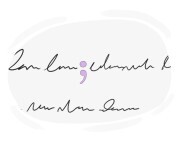
the punctuation mark ; used to separate the items in a list or to indicate a pause between two main clauses in a compound sentence
punct și virgulă, semicolon
Pentru a conecta propoziții independente strâns legate, puteți folosi un punct și virgulă; este o modalitate excelentă de a arăta relația dintre cele două propoziții.
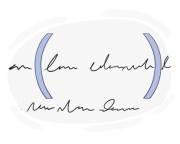
either of the symbols ( ) used in writing to enclose extra information that is given or to group a symbolic unit in logic or mathematics
paranteză, paranteză
În matematică, o paranteză este utilizată pentru a grupa numere sau operații, ca în (3 + 5) × 2.
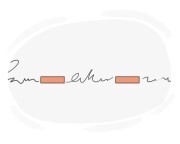
a small line used to connect words or parts of words
linie de unire, cratimă
În cuvintele compuse precum 'soacră' și 'stima de sine', se folosește o liniuță pentru a conecta diferitele părți ale cuvântului.
the symbol / used in print or writing to indicate alternatives or fractions, etc.
bara oblică, slash
În propoziția "Vă rugăm să aduceți un creion/stilou la examen", bara oblică indică o alegere între două articole.
(grammar) a phrase or word used suddenly to express a particular emotion
interjecție, exclamație
Profesorul a explicat conceptul de interjecție în timpul orei de gramatică.
(grammar) an adverb or preposition that is used with a verb to form a phrasal verb
particulă, element adverbial
În verbul frazeal 'look up', 'up' este o particulă care schimbă sensul verbului 'look'.
used before providing an example
de exemplu
Am multe hobby-uri, de exemplu, drumeții, pictura și gătitul.
not conforming with the rules of grammar
negramatical, neconform cu regulile gramaticale
Propoziția 'He don't likes broccoli' este negramaticală deoarece 'don't' nu este folosit cu 'likes' în engleza standard.
