
Daftar Kata Level C1 - Komponen Bahasa
Di sini Anda akan mempelajari beberapa kata dalam bahasa Inggris tentang komponen bahasa, seperti "infinitif", "gerund", "angka", dll. yang disiapkan untuk pelajar tingkat C1.
Tinjauan
Kartu flash
Ejaan
Kuis


related to the science of language, including its structure, usage, and evolution

linguistik, kebahasaan
Studi ini menguji pola linguistik dalam dialek regional.

(grammar) the root form of a verb
infinitif, bentuk dasar kata kerja
Infinitif dapat berfungsi sebagai kata benda, kata sifat, atau kata keterangan dalam kalimat.
(grammar) a form of a verb that functions as a noun and is formed by adding the suffix -ing to the base form of the verb
gerund, bentuk kata kerja yang berfungsi sebagai kata benda
Gerund dapat berfungsi sebagai subjek, objek, atau pelengkap dalam kalimat.
(grammar) a verb that needs a direct object
kata kerja transitif, kata kerja yang membutuhkan objek langsung
Dalam kalimat "Dia makan sebuah apel," "makan" adalah kata kerja transitif, dan "sebuah apel" adalah objek langsung.
(grammar) a verb without a direct object
kata kerja intransitif, kata kerja tanpa objek langsung
Dalam kalimat "Dia tidur", "tidur" adalah kata kerja intransitif karena tidak memerlukan objek langsung.
(grammar) the form of a word that indicates whether one, two, or more things or people are being referred to
jumlah, jumlah gramatikal
(grammar) each of the three classes of pronouns that refers to who is speaking, who is being spoken to, or others that are not present during the conversation
orang, tokoh
(grammar) the form of a verb that indicates whether the subject does something or something is done to it
suara, suara kata kerja
a grammatical category that groups words as masculine, feminine, neuter, or another class
gender, jenis kelamin gramatikal
(of a language's grammar) referring to females
feminin
Bahasa-bahasa bergender sering menetapkan gender feminin pada kata benda yang menunjukkan makhluk perempuan, seperti 'la mujer' (wanita) atau 'la gata' (kucing betina, gender feminin).
(of a language's grammar) referring to males
maskulin
Bahasa-bahasa bergender sering menetapkan gender maskulin pada kata benda yang menunjukkan makhluk jantan, seperti 'el hombre' (pria) atau 'el perro' (anjing, gender maskulin).
(grammar) related to verbs that express wishes, possibility, or doubt
subjungtif, dari subjungtif
Dalam tata bahasa, suasana subjungtif digunakan untuk mengungkapkan situasi hipotetis, keinginan, atau kemungkinan, seperti 'Jika saya kaya, saya akan berkeliling dunia.'
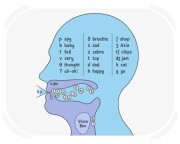
the science and study of speech sounds and their production
fonetik
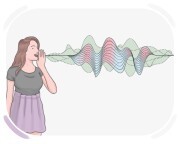
(phonetics) the rising and falling of the voice when speaking
intonasi

the spoken form of a language specific to a certain region or people which is slightly different from the standard form in words and grammar
dialek, logat
Dialek sosial, seperti sosiolek dan etnolek, dapat dipengaruhi oleh faktor-faktor seperti kelas sosial, etnis, atau tingkat pendidikan.
a well-known statement or phrase that expresses a general truth or gives advice
peribahasa, pepatah
Salah satu pepatah umum dalam bahasa Inggris adalah 'Jangan menghitung ayam sebelum menetas,' yang berarti Anda tidak boleh berasumsi berhasil sampai itu benar-benar terjadi.
a group of words or a phrase that has a meaning different from the literal interpretation of its individual words, often specific to a particular language or culture
idiom, ungkapan idiomatik
Frasa 'spill the beans' adalah sebuah idiom yang berarti mengungkapkan rahasia, bukan secara harfiah menjatuhkan kacang.
words, phrases, and expressions used by a specific group or profession, which are incomprehensible to others
jargon, bahasa khusus
Di industri teknologi, jargon seperti 'API', 'frontend', dan 'backend' umum digunakan di kalangan pengembang tetapi mungkin tidak jelas bagi mereka yang tidak memiliki pengetahuan teknis.
words or expressions that are very informal and more common in spoken form, used especially by a particular group of people, such as criminals, children, etc.
slang, bahasa gaul
Slang Internet seperti 'LOL' (tertawa terbahak-bahak) dan 'BRB' (segera kembali) telah menjadi sangat dikenal dan digunakan dalam komunikasi online.
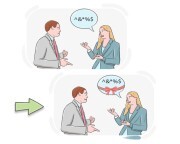
a word or expression that is used instead of a harsh or insulting one in order to be more tactful and polite
eufemisme, ungkapan halus
Frasa 'passed away' adalah sebuah eufemisme umum untuk 'died', digunakan untuk melunakkan kenyataan keras dari kematian.
to use punctuation marks in a text in order to make it more understandable
memberi tanda baca
Untuk menghindari kalimat yang berlarut-larut, Anda harus memberi tanda baca dengan titik, koma, dan titik koma di tempat yang sesuai.

the punctuation mark : used to introduce a quotation, explanation, or list of items
titik dua, tanda titik dua
Untuk memformat kutipan dengan benar, gunakan titik dua untuk memperkenalkan kutipan: 'Menjadi atau tidak menjadi, itulah pertanyaannya.'

the punctuation mark ; used to separate the items in a list or to indicate a pause between two main clauses in a compound sentence
titik koma, semicolon
Saat menulis makalah akademik, titik koma sering digunakan untuk menghubungkan ide-ide yang terkait tetapi bisa berdiri sebagai kalimat terpisah.

either of the symbols ( ) used in writing to enclose extra information that is given or to group a symbolic unit in logic or mathematics
tanda kurung, tanda kurung
Dia menyertakan lelucon dalam tanda kurung di akhir emailnya (hanya untuk meringankan suasana).
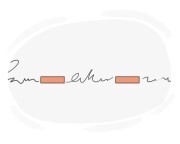
a small line used to connect words or parts of words
tanda hubung, penghubung
Saat menulis pecahan, tanda hubung sering digunakan untuk memisahkan pembilang dari penyebut, seperti dalam 'tiga perempat'.
the symbol / used in print or writing to indicate alternatives or fractions, etc.
garis miring, slash
Dalam singkatan "dan/atau", garis miring menunjukkan bahwa "dan" atau "atau" dapat digunakan.
(grammar) a phrase or word used suddenly to express a particular emotion
interjeksi, kata seru
Ahli bahasa membahas berbagai fungsi interjeksi dalam bahasa.
a word such as an adverb or preposition that combines with a verb to form a phrasal verb
partikel, kata tugas
used before providing an example
misalnya
Perusahaan menawarkan berbagai tunjangan karyawan, misalnya, asuransi kesehatan, rencana pensiun, dan cuti berbayar.
not conforming with the rules of grammar
tidak sesuai dengan aturan tata bahasa, tidak gramatikal
Siswa diminta untuk mengidentifikasi dan memperbaiki kalimat tidak gramatikal dalam esai mereka.
