
C1 Ordlista - Språkkomponenter
Här kommer du att lära dig några engelska ord om språkkomponenter, såsom "infinitiv", "gerundium", "nummer" etc. förberedda för C1-inlärarna.
Recension
Flashcards
Stavning
Quiz


related to the science of language, including its structure, usage, and evolution

lingvistisk, språklig
Läraren betonade de språkliga skillnaderna mellan engelska och tyska.

(grammar) the root form of a verb
infinitiv, grundform av verb
I meningen "Jag vill lära mig" är "lära mig" infinitiv frasen som fungerar som direkt objekt till verbet "vill".
(grammar) a form of a verb that functions as a noun and is formed by adding the suffix -ing to the base form of the verb
gerundium, verbform som fungerar som substantiv
I meningen "Spring är min favorithobby," fungerar "spring" som subjekt och är en gerundium.
(grammar) a verb that needs a direct object
transitivt verb, verb som behöver ett direkt objekt
Transitiva verb kan följas av ett substantiv, pronomen eller fras som tar emot verbets handling.
(grammar) a verb without a direct object
intransitivt verb, verb utan direkt objekt
Intransitiva verb beskriver ofta handlingar som inte överförs till något eller någon annan.
(grammar) the form of a word that indicates whether one, two, or more things or people are being referred to
tal, grammatiskt tal
(grammar) each of the three classes of pronouns that refers to who is speaking, who is being spoken to, or others that are not present during the conversation
person, subjekt
(grammar) the form of a verb that indicates whether the subject does something or something is done to it
röst, verbets röst
a grammatical category that groups words as masculine, feminine, neuter, or another class
genus, grammatiskt genus
(of a language's grammar) referring to females
feminin
Vissa språk, som tyska, har tre genus—maskulinum, femininum och neutrum—där feminina substantiv kan identifieras av vissa ändelser eller egenskaper.
(of a language's grammar) referring to males
maskulin
Vissa språk, som tyska, har tre genus—maskulinum, femininum och neutrum—där maskulina substantiv kan identifieras av vissa ändelser eller egenskaper.
(grammar) related to verbs that express wishes, possibility, or doubt
konjunktiv, konjunktivisk
Den spanska konjunktiven karaktäriseras av specifika verbkonjugationer och används för att uttrycka osäkerhet eller tvivel, som i 'Espero que él vaya a la fiesta' (Jag hoppas att han går på festen).
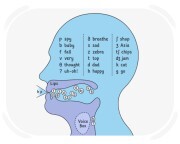
the science and study of speech sounds and their production
fonetik
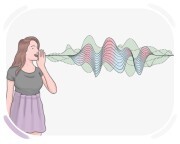
(phonetics) the rising and falling of the voice when speaking
intonation

the spoken form of a language specific to a certain region or people which is slightly different from the standard form in words and grammar
dialekt, mål
Afroamerikansk vardagsengelsk (AAVE) är en dialekt som huvudsakligen talas av afroamerikanska samhällen i USA, kännetecknad av särskild grammatik, ordförråd och intonationsmönster.
a well-known statement or phrase that expresses a general truth or gives advice
ordspråk, talesätt
Ordspråket 'När du är i Rom, gör som romarna gör' föreslår att man bör anpassa sig till platsens sedvänjor som man besöker.
a group of words or a phrase that has a meaning different from the literal interpretation of its individual words, often specific to a particular language or culture
idiom, idiomatiskt uttryck
På engelska används idiomet 'break the ice' för att beskriva att starta en konversation i en social miljö för att minska spänning, inte för att faktiskt bryta is.
words, phrases, and expressions used by a specific group or profession, which are incomprehensible to others
jargong, fackspråk
Finansiell jargong, såsom 'bullmarknad', 'likviditet' och 'utdelningar', används ofta av investerare och finansiella analytiker.
words or expressions that are very informal and more common in spoken form, used especially by a particular group of people, such as criminals, children, etc.
slang, vardagsspråk
Skatare har sitt eget slang, med termer som 'gnarly' för att beskriva något imponerande eller 'shredding' för att hänvisa till skicklig skateboardåkning.
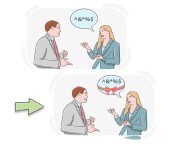
a word or expression that is used instead of a harsh or insulting one in order to be more tactful and polite
eufemism, förskönande uttryck
Företag använder ofta eufemismer 'nedskärningar' istället för 'uppsägningar' för att beskriva processen att minska sin arbetsstyrka.
to use punctuation marks in a text in order to make it more understandable
interpunktion
Han insåg att han behövde interpungera sitt e-postmeddelande mer noggrant efter att ha fått feedback om att det var svårt att läsa.

the punctuation mark : used to introduce a quotation, explanation, or list of items
kolon, kolon-tecknet
Han använde ett kolon för att separera de två delarna av meningen: den första delen angav problemet och den andra delen erbjöd lösningen.

the punctuation mark ; used to separate the items in a list or to indicate a pause between two main clauses in a compound sentence
semikolon, semicolon
Han var inte säker på om han skulle använda ett kommatecken eller ett semikolon; till slut valde han det senare för att klargöra sin poäng.
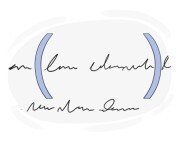
either of the symbols ( ) used in writing to enclose extra information that is given or to group a symbolic unit in logic or mathematics
parentes, parentes
I programmering används en parentes för att omsluta parametrar i ett funktionsanrop, till exempel print ('Hello, world!').
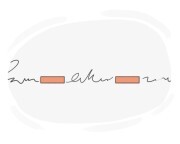
a small line used to connect words or parts of words
bindestreck, tankstreck
I vissa fall används ett bindestreck för att klargöra innebörden av en fras, som 're-sign' (signera igen) mot 'resign' (avgå).
the symbol / used in print or writing to indicate alternatives or fractions, etc.
snedstreck, slash
Filsökvägen C:/Documents/Photos använder snedstreck för att separera kataloger och mappar.
(grammar) a phrase or word used suddenly to express a particular emotion
interjektion, utrop
Eleverna ombads identifiera exempel på interjektion i stycket de läste.
a word such as an adverb or preposition that combines with a verb to form a phrasal verb
partikel, verbpartikel
used before providing an example
till exempel
Vi kan använda förnybara energikällor, till exempel, sol- och vindkraft, för att minska vårt koldioxidavtryck.
not conforming with the rules of grammar
ogrammatisk, inte grammatisk
Användningen av dubbel negation i meningen 'Jag har inga' gör den ogrammatisk i standardengelska.
