
ACT मानविकी - शक्ति और शासन
नेतृत्व, नियंत्रण, प्रभाव, सरकार, नियम, पदानुक्रम और राजनीतिक या सामाजिक शक्ति के प्रयोग सहित शक्ति और अधिकार के लिए ACT मानविकी शब्दावली सीखें।
समीक्षा करें
फ्लैशकार्ड्स
रूप
वर्तनी
प्रश्नोत्तरी


a person who has the power to rule over a kingdom or empire, especially someone who inherits this power

राजा, सम्राट
राजा का राज्याभिषेक एक भव्य समारोह था जिसमें दुनिया भर के गणमान्य व्यक्तियों ने भाग लिया।

a ruler that has total power over a state, particularly a ruler who gained power through force
तानाशाह, अत्याचारी
तानाशाह का शासन मानवाधिकारों के उल्लंघन और व्यापक भ्रष्टाचार के लिए जाना जाता था।

a system of governing that is authoritarian and usually not selected in a fair election
शासन, अधिनायकवादी सरकार
पिछला शासन मानवाधिकारों के उल्लंघन के लिए जाना जाता था।
a form of government where a single ruler or authority exercises absolute power without checks or limitations
तानाशाही, निरंकुशता
क्षेत्र में तानाशाही के कारण आर्थिक ठहराव और व्यापक गरीबी हुई।
a bold uprising by a group, often soldiers or sailors, against their leaders
विद्रोह, बगावत
एक विद्रोह का विचार तब शुरू हुआ जब सैनिकों को उनका उचित वेतन और लाभ नहीं मिला।
a rebellion or uprising, often involving violence, by a group of people against an authority or ruling power
विद्रोह, बगावत
विद्रोह ने राष्ट्र के इतिहास में एक महत्वपूर्ण मोड़ चिह्नित किया।
a situation in which people join together to fight against those in power
विद्रोह, बगावत
विद्रोह शांतिपूर्ण विरोध प्रदर्शनों से शुरू हुआ लेकिन पुलिस के हस्तक्षेप के बाद हिंसक हो गया।
an organized action, usually violent, against an authority, attempting to bring about a change
विद्रोह, बगावत
नए कर कानूनों की शुरुआत के बाद एक विद्रोह भड़क उठा।
the act of rebellion or resistance against established authority, typically through speech or conduct
राजद्रोह, विद्रोह
विरोध प्रदर्शन के आयोजक को राजद्रोह के आरोप में गिरफ्तार किया गया था क्योंकि उसने प्रतिभागियों को कानून प्रवर्तन का विरोध करने के लिए प्रोत्साहित किया था।
a committed loyalty or dedication to a particular cause, group, or belief
निष्ठा, वफादारी
गुप्त समाज ने अपने सदस्यों से पूर्ण निष्ठा की मांग की।
the right or privilege of casting a vote in public elections
मताधिकार, वोट देने का अधिकार
सार्वभौमिक मताधिकार सुनिश्चित करता है कि सभी वयस्क नागरिकों को मतदान का अधिकार है।
the state of being free from the control of others
स्वतंत्रता, स्वायत्तता
स्वतंत्रता व्यक्तियों को बाहरी प्रतिबंधों के बिना अपने सपनों का पीछा करने की अनुमति देती है।

a country that aids another country, particularly if a war breaks out
सहयोगी, मित्र राष्ट्र
संधि पर हस्ताक्षर किए गए थे ताकि उनकी सहयोगी के रूप में स्थिति को औपचारिक रूप दिया जा सके और आपसी रक्षा दायित्वों को रेखांकित किया जा सके।
the pursuit or achievement of equal rights, freedoms, or social status for individuals or groups previously oppressed or restricted
मुक्ति, स्वतंत्रता
महिला मुक्ति आंदोलन ने शिक्षा, रोजगार और राजनीति में समान अधिकारों और अवसरों के लिए संघर्ष किया।
a person who participates in irregular fighting as a member of an unofficial military group
गुरिल्ला, छापामार
गुरिल्ला रणनीति में दुश्मन की आपूर्ति लाइनों को बाधित करने के लिए घात लगाकर हमला और हिट-एंड-रन हमले शामिल थे।
the ability to make decisions or act freely according to one's own will, without being restricted by external constraints
स्वतंत्रता, मुक्त इच्छा
स्कूलों को छात्रों को स्वतंत्रता और रचनात्मकता के साथ सोचने के लिए प्रोत्साहित करना चाहिए।
a campaign or organized effort to correct wrongdoing, abuses, or malpractices
सुधार, सुधार अभियान
ऐतिहासिक सुधारों को अक्सर स्थापित हितों से प्रतिरोध का सामना करना पड़ा।
an organized group of individuals or organizations that actively seek to influence public officials and policymakers on specific issues or laws
लॉबी समूह, दबाव समूह
कृषि हितों के लिए लॉबी ने किसानों और पशुपालकों का समर्थन करने वाले सब्सिडी और व्यापार नीतियों के लिए तर्क दिया।
an alliance between two or more countries or between political parties when forming a government or during elections
गठबंधन, संघ
पर्यावरण संगठनों के गठबंधन ने औद्योगिक उत्सर्जन पर सख्त नियमों के लिए सफलतापूर्वक पैरवी की।
a condition in which individuals are forced to work or provide services against their will, without the ability to freely leave or negotiate their conditions
दासता, गुलामी
दासता का उन्मूलन दासता के खिलाफ लड़ाई में एक महत्वपूर्ण जीत थी, हालांकि मजबूर श्रम के रूप मानवाधिकार कार्यकर्ताओं के लिए चुनौती बने हुए हैं।
a person or thing that is next in line to someone or something else
उत्तराधिकारी, वारिस
स्मार्टफोन का नया मॉडल, जिसे पिछले साल के संस्करण का उत्तराधिकारी बताया गया है, में कई उन्नत सुधार हैं।
the action of assuming an important position or title
अभिगमन, सिंहासनारोहण
राष्ट्रपति पद के लिए उनका अभिगमन राजनीति में महिलाओं के लिए एक ऐतिहासिक क्षण था।

a lineage of kings who rule a country or nation over a long period of time
वंश
मिंग वंश ने 1368 से 1644 तक चीन पर शासन किया।
making decisions based on the preferences of the majority, often without significant consideration for the rights or interests of minority groups
बहुमतवादी, बहुमत पर आधारित
आप्रवासन नीति पर बहुमतवादी रुख आप्रवासी समुदायों के योगदान और अधिकारों को नजरअंदाज करता है।
using power or authority in a cruel and oppressive way against other people
अत्याचारी, निरंकुश
इतिहास भर में, समाजों ने स्वतंत्रता और समानता की खोज में अत्याचारी शासन के खिलाफ विद्रोह किया है।
(of actions, speech, writings, etc.) encouraging rebellion against established authority or government
राजद्रोही, विद्रोही
क्रांतिकारी पैम्फलेट को दमनकारी कानूनों को चुनौती देने के आह्वान के लिए सत्तारूढ़ पार्टी द्वारा विद्रोहात्मक माना गया था।
oppressed or treated unfairly, especially by those in power
दबा हुआ, पीड़ित
भेदभाव का सामना करने के बावजूद, दलित चुप रहने से इनकार कर दिया।

ordered or required by a rule or law
अनिवार्य, आवश्यक
ड्राइविंग करते समय सीटबेल्ट पहनना कई देशों में कानून द्वारा अनिवार्य है।
related to the characteristics or actions of an empire or emperor
शाही, साम्राज्यिक
साम्राज्यवादी विजय ने शासक वर्ग को धन और संसाधन दिए।
relating to the armed forces that operate at seas or waters in general
नौसेना, समुद्री
नौसैनिक अभियानों में खोज और बचाव और समुद्री डकैती विरोधी प्रयास जैसे मिशन शामिल हैं।
to give up, surrender, or part with a possession, right, or claim
त्यागना, छोड़ना
सरकार को क्षेत्र के नियंत्रण को छोड़ने के लिए मजबूर किया गया था।
to officially take possession or control of something, typically for military or governmental purposes, often without the consent of the owner
ज़ब्त करना, अधिग्रहण करना
पुलिस ने संकट के दौरान एक अस्थायी कमांड सेंटर स्थापित करने के लिए पास की एक इमारत को ज़ब्त कर लिया।

(of a monarch or ruler) to step down from a position of power
सिंहासन त्यागना, पद छोड़ना
राजनीतिक उथल-पुथल का सामना करते हुए, सम्राट ने स्थिरता बहाल करने के लिए सिंहासन त्यागने का फैसला किया।
to ensure that a law or rule is followed
लागू करना, पालन सुनिश्चित करना
सरकार ने सख्त पर्यावरण संरक्षण को लागू करने के लिए नया कानून पारित किया।

to give an official order to a person or an animal to perform a particular task
आदेश देना, हुक्म देना
जनरल ने सैनिकों को आगे की सूचना तक अपनी स्थिति बनाए रखने का आदेश दिया।
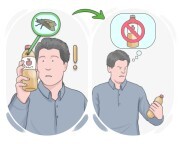
to refuse to buy, use, or participate in something as a way to show disapproval or to try to bring about a change
बहिष्कार करना, बहिष्कार में शामिल होना
छात्रों ने शैक्षिक सुधारों की आवश्यकता पर ध्यान आकर्षित करने के लिए कक्षाओं का बहिष्कार करने की योजना बनाई।
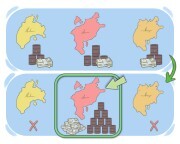
to have the power to completely or partially control someone or something
प्रभुत्व रखना, हावी होना
तानाशाह ने डर और उत्पीड़न के माध्यम से देश पर प्रभुत्व जमाने की कोशिश की।
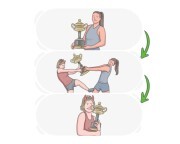
to wrongly take someone else's position, power, or right
अधिकार छीनना, अनधिकृत रूप से हड़पना
राजकुमार पर अपने बड़े भाई की स्थिति को हड़पने की कोशिश करने का आरोप लगाया गया था।
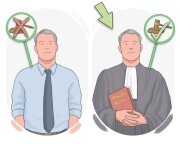
to give someone the legal right to have or do something particular
अधिकार देना, योग्य बनाना
पिछले साल, परियोजना में उनके महत्वपूर्ण योगदान ने उन्हें मान्यता और पुरस्कारों का अधिकार दिया।
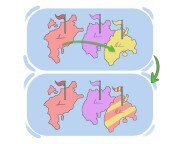
to establish control over an area or people, often by settling and exploiting it

to formally approve a decision, action, etc., typically through an official process or legal means
पुष्टि करना, आधिकारिक तौर पर मंजूरी देना
शांति वार्ता के बाद, युद्धरत गुटों ने युद्धविराम को अनुमोदित करने और शांति प्रक्रिया शुरू करने के लिए एक समझौते पर हस्ताक्षर किए।
to impose a penalty or punitive measure upon an individual, entity, or action
दंडित करना, सज़ा देना
नियामक एजेंसी ने वित्तीय संस्थान को दंडित किया, उसके संचालन का लाइसेंस रद्द कर दिया।
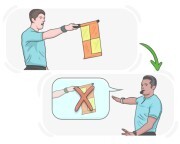
to use one's official or political authority to change or reject a previously made decision
रद्द करना, अधिक्रमण करना
रेफरी अंपायर द्वारा किए गए निर्णय को रद्द कर सकता है यदि कोई त्रुटि का सबूत है।
to take control of or incorporate additional land into an existing country or state
हड़पना, मिलाना
सरकार ने मूल्यवान प्राकृतिक संसाधनों को सुरक्षित करने के लिए द्वीप को हड़पने के लिए मतदान किया।
