
Humanistyka ACT - Władza i Rządy
Naucz się słownictwa ACT z zakresu nauk humanistycznych dotyczącego władzy i autorytetu, w tym przywództwa, kontroli, wpływu, rządu, reguły, hierarchii i sprawowania władzy politycznej lub społecznej.
Przegląd
Fiszki
formy
Pisownia
Test


a person who has the power to rule over a kingdom or empire, especially someone who inherits this power

monarcha, władca
Studiowała historię monarchów, którzy rządzili w okresie średniowiecza dla swojego projektu badawczego.
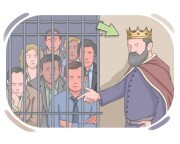
a ruler that has total power over a state, particularly a ruler who gained power through force
dyktator, tyran
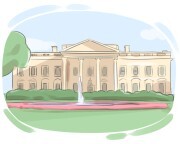
a system of governing that is authoritarian and usually not selected in a fair election
reżim, autorytarne rządy

a form of government where a single ruler or authority exercises absolute power without checks or limitations
despotyzm, tyrania
Despotyzm w regionie doprowadził do stagnacji gospodarczej i powszechnego ubóstwa.
a bold uprising by a group, often soldiers or sailors, against their leaders
bunt, rewolta
Po miesiącach na morzu bez widoku lądu, wśród marynarzy pojawiły się oznaki buntu.
a rebellion or uprising, often involving violence, by a group of people against an authority or ruling power
bunt, powstanie
Bunt oznaczał punkt zwrotny w historii narodu.
a situation in which people join together to fight against those in power
powstanie, bunt
Powstanie rozpoczęło się od pokojowych protestów, ale stało się gwałtowne po interwencji policji.
an organized action, usually violent, against an authority, attempting to bring about a change
bunt, powstanie
the act of rebellion or resistance against established authority, typically through speech or conduct
bunt, rewolta
Organizator protestu został aresztowany pod zarzutem buntu za namawianie uczestników do oporu wobec organów ścigania.
a committed loyalty or dedication to a particular cause, group, or belief
lojalność, wierność
Jego lojalność wobec drużyny piłkarskiej była niezachwiana, uczestniczył w każdym meczu niezależnie od pogody.
the right or privilege of casting a vote in public elections
prawo wyborcze, prawo głosu
Niektóre kraje nadal ograniczają prawo wyborcze ze względu na płeć, wiek lub status społeczno-ekonomiczny.
the state of being free from the control of others
niepodległość, autonomia

a country that has agreed to support and help another country, especially during a war or conflict
sojusznik, sprzymierzeniec
the process or movement of gaining freedom and equal rights for a disadvantaged or oppressed group
wyzwolenie
a member of an unofficial armed group that uses irregular tactics, such as surprise attacks, against regular military or government forces
partyzancki, partyzant
the freedom or right to act, think, or make choices as one wishes
wolność, swoboda
a campaign or organized effort to correct wrongdoing, abuses, or malpractices
reforma, kampania reform
an organized group that tries to influence government decisions or public policy in support of particular interests
lobby

an alliance of different groups, political parties, or countries formed to work together for a particular purpose
a condition in which individuals are forced to work or provide services against their will, without the ability to freely leave or negotiate their conditions
niewola, poddaństwo
Zniesienie niewolnictwa oznaczało znaczące zwycięstwo w walce z niewolnictwem, chociaż formy pracy przymusowej nadal stanowią wyzwanie dla obrońców praw człowieka.
a person who takes over a job, position, title, or role after someone else
the action of assuming an important position or title
wstąpienie na tron, objęcie tronu
Jej objęcie prezydentury było historycznym momentem dla kobiet w polityce.

a lineage of kings who rule a country or nation over a long period of time
dynastia
Biznes był prowadzony jak współczesna dynastia, przekazywana przez trzy pokolenia rodziny.
making decisions based on the preferences of the majority, often without significant consideration for the rights or interests of minority groups
większościowy, oparty na większości
Stanowisko większościowe w polityce imigracyjnej pomija wkład i prawa społeczności imigrantów.
using power or authority in a cruel and oppressive way against other people
tyrański, despotyczny
Pod żelaznym uściskiem tyrańskiego władcy niewinni ludzie byli poddawani arbitralnym aresztowaniom, torturom i długotrwałemu przetrzymywaniu.
(of actions, speech, writings, etc.) encouraging rebellion against established authority or government
buntowniczy, wywrotowy
Rewolucyjna broszura została uznana za wywrotową przez rządzącą partię za wezwania do sprzeciwiania się opresyjnym prawom.
oppressed or treated unfairly, especially by those in power
uciśniony, gnębiony
Pomimo dyskryminacji, uciśnieni odmówili milczenia.

ordered or required by a rule or law
obowiązkowy, wymagany
relating to an empire or to an emperor or empress
imperialny, cesarski
relating to the armed forces that operate at seas or waters in general
morski, marynarki wojennej
Operacje morskie obejmują misje takie jak poszukiwanie i ratownictwo oraz działania antypirackie.
to give up, surrender, or part with a possession, right, or claim
zrzec się, ustąpić
Rząd został zmuszony do zrzeczenia się kontroli nad terytorium.
to officially take possession or control of something, typically for military or governmental purposes, often without the consent of the owner
rekwirować, konfiskować
Policja zarekwirowała pobliską budowlę, aby podczas kryzysu utworzyć tymczasowe centrum dowodzenia.
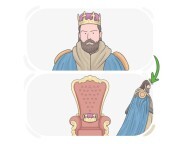
(of a monarch or ruler) to step down from a position of power
abdykować, zrzec się tronu
Król postanowił abdykować na rzecz swojego następcy.
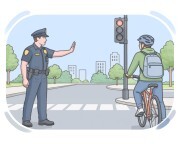
to make sure that a law, rule, or regulation is obeyed
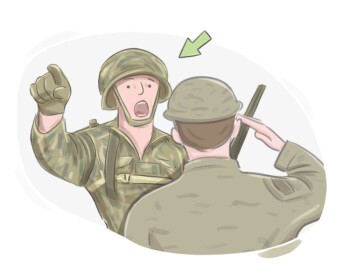
to give an official order to a person or an animal to perform a particular task
rozkazywać, dowodzić
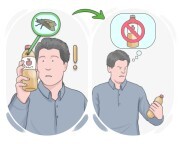
to refuse to buy, use, or participate in something as a way to show disapproval or to try to bring about a change
bojkotować, uczestniczyć w bojkocie
Studenci planowali bojkotować zajęcia, aby zwrócić uwagę na potrzebę reform edukacyjnych.
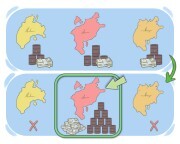
to have the power to completely or partially control someone or something
dominować, panować
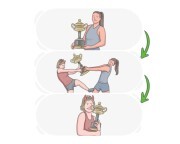
to wrongly take someone else's position, power, or right
uzurpować, nieprawnie przejmować
W wielu opowieściach złe macochy próbują uzurpować sobie należne miejsce księżniczki.
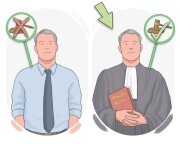
to give someone the right or qualification to have, receive, or do something
uprawniać, dawać prawo
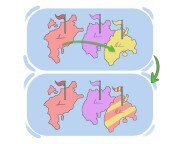
to establish control over an area or people, often by settling and exploiting it
kolonizować

to formally approve a decision, action, etc., typically through an official process or legal means
ratyfikować, oficjalnie zatwierdzać
Po rozmowach pokojowych zwaśnione frakcje podpisały porozumienie w celu ratyfikowania zawieszenia broni i rozpoczęcia procesu pokojowego.
to impose an official penalty or punitive measure on someone or something
sankcjonować, karać
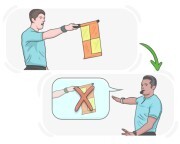
to use one's official or political authority to change or reject a previously made decision
unieważnić, odrzucić
Sędzia może unieważnić decyzję podjętą przez sędziego liniowego, jeśli istnieją dowody błędu.
to take control of or incorporate additional land into an existing country or state
aneksować, wcielać
Rząd zagłosował za aneksją wyspy w celu zabezpieczenia cennych zasobów naturalnych.
