
IELTS のための語彙 (アカデミック) - 政治
ここでは、IELTS試験に必要な「議会」、「連邦」、「投票用紙」などの政治に関する英語の単語を学びます。
レビュー
フラッシュカード
綴り
クイズ

a social gathering or event, often formal or noteworthy

イベント, レセプション

a new law that is proposed to a parliament to be discussed about
法案, 法律提案
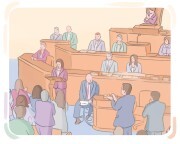
the legislative body of the United States, consisting of the Senate and the House of Representatives
議会, 立法府

a person who aligns with or supports the principles and policies traditionally associated with conservative political ideologies
保守派, 伝統主義者

a group of elected people who govern a city, town, etc.
議会, 評議会

to formally discuss a matter, usually in a structured setting
討論する, 議論する

a form of government where the power is vested in the hands of the people, either directly or through elected representatives
民主主義
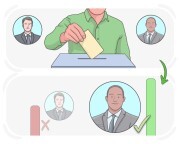
to choose a person for a specific job, particularly a political one, by voting
選出する, 投票で選ぶ

relating to the central government of a country rather than the local or regional governments
連邦の, 中央の
連邦法は全国に一律に適用されます。
to control or determine how an activity, process, or situation operates or develops
支配する, 規定する

a person who actively campaigns for social, political, environmental, or other change
活動家
the principle or system of unlimited and unchecked governmental power
絶対主義, 専制主義
君主は政治的絶対主義の教義の下で統治した。

a formal agreement or treaty establishing cooperation between nations or groups for shared objectives
同盟, 協定
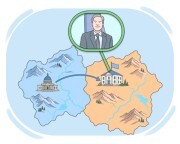
a senior diplomatic official who represents their country in another country or at an international organization
大使, 特命全権大使
the act of gathering together to achieve a common goal
集会, 会議
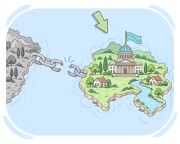
the freedom of a country, region, or organization to govern itself independently
自治, 自主性
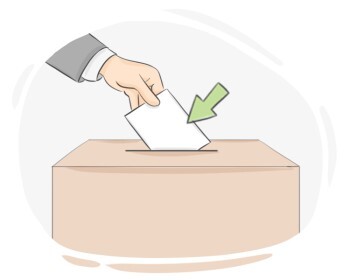
a document listing the options or candidates used in voting
投票用紙, 投票
concerning two groups or countries
二国間の
両国は二国間貿易協定に署名しました。
the situation in which a group of countries have enough military or political power to prevent a country from controlling other countries
勢力均衡, 力の均衡
a government department or a division of one responsible for a particular area of work
局, 部局

the state of being a candidate in an election
立候補, 立候補
彼女は市長への立候補を発表しました。
an economic system in which property and businesses are primarily privately owned and operated for profit
資本主義

the job, skill, or act of managing the relationships between different countries
外交
外交は、二つの国が戦争に突入するのを防ぐのに役立った。

the official laws and principles by which a country or state is governed
憲法

a union of 27 European states that is formed to strengthen the economic and political bonds between its members
欧州連合
欧州連合は、加盟国間の自由貿易を促進する政策を持っています。
an overenthusiastic individual, especially one who is devoted to a radical political or religious cause
狂信者, 過激派
抗議は平和的なものだったが、一群の過激派が過激なスローガンを叫び始めた。
based on or relating to a specific set of political or economic views or policies
イデオロギーの
党の綱領は、自由主義と社会正義のイデオロギー的原則に根ざしています。
the state of being free from the control of others
独立, 自治
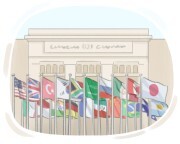
in a way that relates to multiple nations or the entire world
国際的に, 国際的なレベルで
その映画は国際的に公開され、文化的多様性を紹介しました。
a belief in which the actions of one country affect all other countries in the world and that economic policy is built on benefiting the whole world not an individual country
グローバリズム, 世界主義
グローバリズムは、国家間の経済的相互依存を高め、国際貿易と投資を促進しました。
a social class that its members have a high socioeconomic status and are between the middle and upper classes
上層中流階級, 上流ブルジョアジー
a system that allows a limited number of immigrants to officially enter a country annually
クォータ制度, 割当制度
政府は移民の数を制御するためにクォータ制度を実施しました。
the illegal practice of forcing the asylum seekers or the refugees to return to the country where they are at risk of prosecution
送還
人権団体は、政府のrefoulement政策を非難し、それが亡命と保護の基本原則に違反していると主張した。
the state of an organization or country that is lacking in order, authority, or control
無政府状態, 混乱
政府が打倒された後、国は無政府状態に陥った。
a session that each US Senate committee holds in order to determine whether a candidate should be confirmed or rejected for a high federal office
確認公聴会, 確認のための公聴会
