
Zaawansowane Słownictwo do GRE - Społeczeństwo Obywatelskie i Religijność
Tutaj nauczysz się niektórych angielskich słów o społeczeństwie i religii, takich jak "base", "rustic", "gaffe" itp., które są potrzebne do egzaminu GRE.
Przegląd
Fiszki
Pisownia
Test

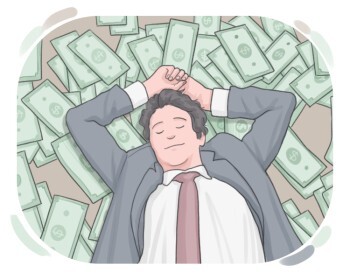
possessing a great amount of riches and material goods

zamożny, bogaty
Pomimo spowolnienia gospodarczego, zamożny biznesmen nadal inwestował w różne przedsięwzięcia.

following a strict lifestyle where one practices self-discipline and denies oneself of any form of pleasure, particularly due to religious reasons
ascetyczny, surowy
Książka szczegółowo opisywała ascetyczne nawyki postaci historycznych, które poszukiwały duchowej czystości.
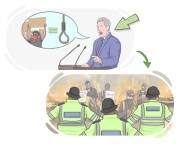
completely lacking moral or honorable purpose or character
podły, nikczemny
not being involved in a situation or benefiting from it, thus able to act fairly
bezstronny, niezainteresowany
Jej bezstronna perspektywa w tej kwestii pozwoliła jej udzielić bezstronnych rad.
not letting one's emotions influence one's judgment and decisions, thus able to stay rational and fair
bezstronny, chłodny
Beznamiętne zachowanie sędziego podczas procesu przyczyniło się do sprawiedliwego i bezstronnego wyroku.
supporting the notion that all humans are equal and should be given equal rights
egalitarny
Ruchy egalitarne na przestrzeni dziejów walczyły o sprawiedliwość i równość dla grup zmarginalizowanych.
ensuring fairness and impartiality, so everyone gets what they rightfully deserve
sprawiedliwy, równoprawny
Sprawiedliwe rozwiązanie osiągnięto po dokładnym rozważeniu wszystkich punktów widzenia.
having a generous and friendly personality with a willingness to engage in conversations
gościnny, towarzyski
Towarzyski trener zawsze zachęcał swój zespół entuzjastycznymi przemowami motywacyjnymi i otwartą komunikacją.
not favoring a particular party in a way that enables one to act or decide fairly
bezstronny, neutralny
Bezstronna opinia profesora pomogła studentom poprawić się bez uprzedzeń.
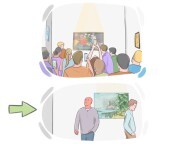
lacking the ability to arouse interest or cause excitement
przyziemny, nudny
Banalna rozmowa na przyjęciu nie przykuła niczyjej uwagi.
acting in a shameless, overindulgent, and immoral manner
rozwiązły, rozrzutny
Jego rozrzutne decyzje odzwierciedlały lekceważenie konsekwencji swoich działań.
displaying a natural simplicity and warmth that evokes traditional rural life
rustykalny, wiejski
Wesele miało rustykalny temat, z bieżnikami stołowymi z juty i dekoracjami centralnymi w słoikach Mason.
attempting to showcase how one believes to be morally or religiously superior
świętoszkowaty, obłudnie pobożny
Przedstawienie obłudnej postaci w filmie służyło jako krytyka fałszywej pobożności.
characterized by strict self-discipline, frugality, or simplicity
spartański, skromny
Prowadził spartańskie życie, unikając dóbr materialnych i skupiając się wyłącznie na swoim duchowym rozwoju i oświeceniu.
unwilling to reveal information or offer assistance
niechętny do współpracy, powściągliwy
Urzędnicy zostali skrytykowani za niechęć do udzielania informacji o zmianach w polityce.
the act of abandoning a religious or political belief that one used to hold
apostazja, odstępstwo
Protagonista powieści zmagał się z konsekwencjami swojej apostazji, pokonując zarówno osobiste, jak i społeczne reperkusje.
an individual who is either new to a higher society or trying to get into it, and is looking for their approval
nowobogacki
Protagonista filmu był parweniuszem, który starał się wpasować w bogate kręgi towarzyskie, które podziwiał.
the extreme belief in the superiority of one's gender, race, country, or group
szowinizm
Film został skrytykowany za przedstawienie szowinizmu, utrwalając przestarzałe stereotypy.
a thing that was done or said in a social or public situation that is considered to be an embarrassing or tactless mistake
gafa, wtopa
Publiczna gafa aktora podczas wywiadu została szybko podchwycona przez media.
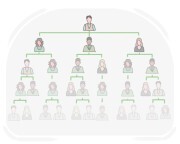
a system in which people are ranked at different levels according to their status, authority, or importance
hierarchia, struktura hierarchiczna
a situation or something that is lacking in equality or fairness
nierówność, niesprawiedliwość
Struktura wynagrodzeń w firmie ujawniła nierówność, która faworyzowała wyższą kadrę kierowniczą kosztem pracowników niższego szczebla.

a person who begs other people for food and money
żebrak, żebrak
Pomimo swojej sytuacji jako żebrak, zachował pełne nadziei spojrzenie na życie.
the state of having a widespread negative reputation due to a bad or disapproving behavior or characteristic
rozgłos
Rozgłos polityka wynikał z serii kontrowersyjnych i nieetycznych decyzji.
an individual who is avoided and not liked, accepted, or respected by society or a group of people
parias, wyrzutek
Były przywódca stał się parią po usunięciu go z władzy z powodu powszechnej krytyki.
a low-born individual who has gained quick and unexpected power, success, or wealth
parweniusz, nowobogacki
Bohater powieści był parweniuszem, którego nagłe bogactwo spowodowało tarcia z jego ustalonymi rówieśnikami.
a traditional ceremony of Native Americans in which they gather, dance, and sing
powwow, tradycyjna ceremonia rdzennych Amerykanów
Społeczność zebrała się na powwow, gdzie bębny i śpiew wypełniały powietrze.
(plural) the people who collectively form a particular group or organization
szeregi, członkowie
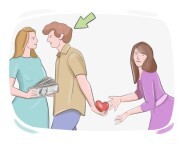
an individual who lacks morality and principle
odszczepieniec, nikczemnik
On jest odrzutkiem, który nie dba o nikogo innego.
a person's or organization's status, rank, or reputation within a group or society
reputacja, pozycja
a woman who is loud, ill-tempered, and aggressive
megiera, jędza
Powieść przedstawiała wirago, która rzuciła wyzwanie normom społecznym i przeciwstawiła się oczekiwaniom swoją silną osobowością.
to come together in order to achieve a common goal
zjednoczyć się, połączyć się
Różne perspektywy łączyły się w jedną wizję podczas spotkania.
to ruin or damage something's appearance, particularly by writing or sketching on it
zniekształcać, niszczyć
Do czasu przybycia personelu muzeum eksponat został zbezczeszczony.
to insult or damage something that people greatly respect or consider holy, particularly a place
zbezcześcić, znieważyć
Protestujący zbezczeszczali posąg, skandując hasła.

to spread information, ideas, or knowledge to a wide audience
rozpowszechniać, upowszechniać
Uniwersytet upowszechni wyniki badania na nadchodzącej konferencji.
to attempt to persuade a person into accepting one's beliefs, particularly political or religious ones
nawracać, prozelityzować
Ona nawraca innych do swoich poglądów na temat sprawiedliwości społecznej za pośrednictwem różnych platform internetowych.
