
Książka Street Talk 2 - Bliższe Spojrzenie 2: Lekcja 4
Kontynuuj odkrywanie słownictwa, wyrażeń, znaczeń i użycia z lekcji 4 Street Talk 2 w tej drugiej sekcji bliższego przyjrzenia się.
Przegląd
Fiszki
Pisownia
Test


a slight, rapid variation in pitch and intensity of a note

wibrato, drżenie
Technika vibrato skrzypka była płynna i kontrolowana, podkreślając piękno melodii.
someone who is highly skilled at playing a musical instrument
wirtuoz
Trenował przez lata, aby zostać wirtuozem, poświęcając niezliczone godziny na doskonalenie swojej techniki gry na wiolonczeli.
for a certain purpose, especially an immediate one
na szybko, specjalnie
Naprawy zostały przeprowadzone ad hoc, aby zapewnić ciągłą pracę maszyny.
in a way that occurs continuously without a limit
w nieskończoność, bez końca
Gdyby podróże w czasie były możliwe, czy moglibyśmy przeżywać błędy ad infinitum?
to say or perform something spontaneously without prior preparation
improwizować, mówić spontanicznie
Prezenter improwizował zabawną historię, gdy sprzęt uległ awarii.
excessively repeated to the point of annoyance
do mdłości, nadmiernie
Dyskutowali o zasadach ad nauseam, ale nieporozumienia utrzymywały się.
the university, college, or school that one used to study at
alma mater, uczelnia macierzysta
Odwiedzili swoją alma mater, aby zwiedzić odnowioną bibliotekę.

one's other personality, particularly one that greatly differs from what one often shows
alter ego
a person, particularly a male one, who is a former student of a college, university, or school
absolwent, były uczeń
Po ukończeniu studiów został sukcesywnym przedsiębiorcą, co sprawiło, że jego alma mater jest dumna ze swojego osiągniętego absolwenta.

between midnight and noon
rano, przed południem
Kawiarnia zaczyna serwować śniadanie o 6 a.m..

after noon and before midnight
po południu, wieczorem
Ostatni seans w kinie zaczyna się o 9:30 p.m.
genuine and not fake
autentyczny, prawdziwy
Firma szczyci się byciem bona fide liderem w branży, oferując wysokiej jakości produkty.
(of a relationship) characterized by emotional closeness without romantic or sexual elements
platoniczny, bezinteresowny
Cenił ich platoniczną relację, znajdując pocieszenie w ich głębokich rozmowach.

not displaying emotions and not complaining, especially in difficult and painful situations
stoiski, niewzruszony
Nawet podczas silnego bólu była niezwykle stoicka.
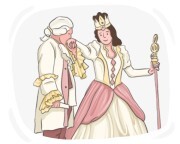
an actor or actress who performs on stage or in film
aktor, artysta sceniczny
Jako młoda aktorka, wykorzystywała każdą okazję, aby doskonalić swoje rzemiosło.

a tropical storm with violent winds moving in a circle that form over the western Pacific Ocean
tajfun, cyklon tropikalny
Tajfun zakłócił podróże lotnicze, zmuszając do odwołania wielu lotów.
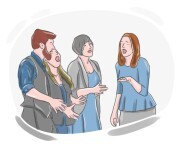
with increasing speed
przyspieszając
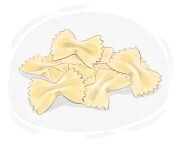
(of food, particularly pasta) cooked just enough to still have a firm texture when bitten into, without being overly soft or mushy
al dente, na zęby
in a moderately quick tempo
allegretto
a long, elaborate song that is melodious and is intended for a solo voice, especially in an opera
aria, pieśń
a musical technique where the notes of a chord are played individually in a sequence rather than simultaneously
arpeggio
Delikatne arpeggia harfistki stworzyły spokojną i eteryczną atmosferę podczas utworu orkiestrowego.
the speed that a piece of music is or should be played at
tempo, rytm
Piosenka miała stałe tempo, które ułatwiało tańczenie.
a vocal composition with instrumental accompaniment, typically structured in multiple movements and often involving a choir, soloists, and orchestra
kantata, kantata
Skomponowała świecką kantatę opartą na poezji renesansowej.

a type of coffee made from espresso mixed with hot milk or cream
cappuccino, rodzaj kawy przygotowanej z espresso zmieszanego z gorącym mlekiem lub śmietaną
On lubi sączyć cappuccino, czytając gazetę w kawiarni.
a type of soprano singer known for their ability to perform intricate and embellished vocal passages
koloratura, sopran koloraturowy
Wykonanie koloratury repertuaru bel canto było urzekające, jej głos płynął bez wysiłku przez ozdobne melodie.
lively with spirit
allegro con spirito, żwawo z duchem
(of sound) characterized by a progressive amplification
crescendo, narastający
Rytm crescendo pulsował przez utwór taneczny.
a singer that uses a male singing voice that extends over the range of a tenor voice
falset, głos falsetowy
played or sung loudly or with strong emphasis
głośny, mocny
W orkiestrze marszowej sekcja forte sekcji perkusyjnej dodała śmiały i dynamiczny element do występu.
(chiefly a direction or description in music) very loud and strong
fortissimo (bardzo głośno i mocno)

(musical direction) in the manner of a glissando (with a rapidly executed series of notes)
glissando
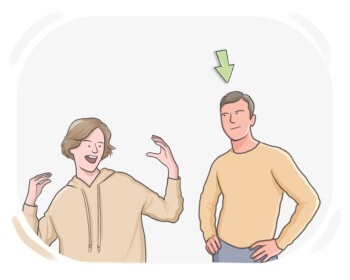
serious and solemn in manner or character
poważny, uroczysty
Poważny wyraz twarzy lekarza wskazywał na powagę stanu zdrowia pacjenta.
in disguise or using a false identity to avoid being recognized
incognito, pod fałszywym nazwiskiem
Szpieg pracował incognito podczas misji, aby zebrać poufne informacje.
used to describe a moderately slow tempo, slower than andante but faster than largo
larghetto, umiarkowanie wolno
Drugi ruch jest grany larghetto, nadając mu zrelaksowany charakter.
a musical piece that is intended to be performed at a very slow tempo and in a serious manner
largo, utwór muzyczny wykonywany w bardzo wolnym tempie i w poważny sposób
a person who is an expert or master in conducting or directing an orchestra or musical performance
maestro, dyrygent
a type of classical female singing voice situated between the soprano and contralto ranges
mezzosopran, mezzo
Krytycy chwalili mezzosopran za jej wszechstronność, zdolność do przekazywania zarówno mocy, jak i wrażliwości.
a moderate or half voice, meaning to sing or play at a medium volume, not too loud or too soft
mezzo voce, półgłosem
Piosenkarz wykonał arię mezzo voce, nadając jej miękką, intymną jakość.
a musical suite, typically a collection of dance movements, often in the Baroque period
partita, suita muzyczna
Partita Bacha na klawesyn obejmuje różnorodne żywe ruchy taneczne.
(music) low loudness
pianissimo
(of instruments in the violin family) to be plucked with the finger
pizzicato, szarpany
the main female singer in an opera or opera company
primadonna, główna śpiewaczka
(music) a notation written above a note and indicating that it is to be played with a strong initial attack
sforzando
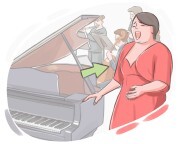
a female or young male singer with a singing voice that has the highest range
sopran
Solistka sopran wykonała arię z takim uczuciem, że wielu słuchaczy miało łzy w oczach.
playing or singing musical notes with short, distinct intervals between them
staccato, urywany
Nuty staccato w utworze jazzowym nadały mu zabawne i energetyczne wrażenie.
a warning against certain acts
ostrzeżenie, zastrzeżenie

an offspring of a human or animal that is not born yet, particularly a human aged more than eight weeks after conception
płód, zarodek
Płód zaczął się poruszać pod koniec pierwszego trymestru.
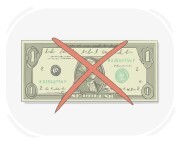
without costing anything
za darmo, gratis
Oprogramowanie było dostępne za darmo przez ograniczony czas.

an explanation based on limited facts and evidence that is not yet proved to be true
hipoteza, przypuszczenie
Hipoteza sugerowała, że zwiększenie ekspozycji na światło poprawi wzrost roślin.
used to introduce a clarification or explanation
to znaczy, inaczej mówiąc
On jest poliglotą, to znaczy mówi płynnie kilkoma językami.
(psychology) the mental energy or drive connected with sexual desire
libido, popęd seksualny
Niektóre leki mogą zwiększać lub zmniejszać libido.
with high honor; with high academic distinction
z wyróżnieniem; z wysokim wyróżnieniem akademickim
per person
na mieszkańca, na głowę
Dochód na mieszkańca w tym kraju znacznie wzrósł.
used to describe something as it is, without comparing it to other things
sam w sobie, per se
Problem nie jest skomplikowany sam w sobie, ale niuanse można lepiej zrozumieć dzięki dalszej analizie.
(psychology) a person's social representation or the impression other's have of a certain individual which is concealing the true self
persona
occurring or done after death
pośmiertny, postmortem
an additional thought or comment added after the main body of a letter or document, usually after the signature
postscriptum, P.S.
W swoim post scriptum wspomniał, że w przyszłym tygodniu będzie poza miastem.
something done as a formality or for the sake of procedure, often without necessarily having practical significance
proforma, faktura proforma
Faktura proforma została wysłana do klienta, chociaż ostateczne szczegóły płatności nie zostały jeszcze ustalone.
the smallest possible amount of a particular quantity that cannot be divided any further
kwant, najmniejsza możliwa niepodzielna ilość
Efekt tunelowania kwantowego umożliwia cząstkom pokonywanie barier energetycznych, które według mechaniki klasycznej byłyby nie do pokonania.
the final part of the large intestine where waste is collected before being passed through the anus
odbytnica, końcowa część jelita grubego
a pouch of skin that houses the testicles in the male reproductive system
moszna, workowata struktura zawierająca jądra
mucus or phlegm that is coughed up from the respiratory tract, typically as a result of infection or disease
plwocina, śluz
Pielęgniarka obserwowała plwocinę pacjenta pod kątem oznak krwi lub ropy.
the condition or situation of something or someone at a particular moment in time
stan, status
Zapytała o status swojego wniosku.
the situation or condition that is currently at hand
status quo, obecny stan rzeczy
Ona próbuje zmienić status quo w swojej organizacji, wprowadzając nowe procedury.
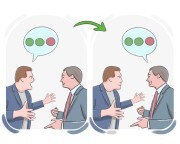
in exactly the same words as used originally
słowo w słowo, dosłownie
Nie musisz tego zapamiętywać słowo w słowo; po prostu zrozum znaczenie.
with the order or relations reversed
i na odwrót, wzajemnie
Nowa polityka przynosi korzyści zarówno firmie, jak i jej klientom, i odwrotnie.
a person who is knowledgeable and enthusiastic about a particular activity, subject, or interest
znawca, entuzjasta
Aficionado filmów ma imponującą kolekcję klasycznych filmów.

a hut, shelter, or cabin, usually at a swimming pool or beach
kabina, chata
Rodziny zebrały się w kabanie na grilla, ciesząc się pysznym jedzeniem i śmiechem w słońcu.
a bar or small restaurant, often one that serves wine or alcoholic beverages, especially in Mediterranean countries
cantina, bar
Wzięliśmy drinka w lokalnej cantinie po koncercie.
a Latin American (disparaging) term for foreigners (especially Americans and Englishmen)
latynoamerykański obraźliwy termin dla obcokrajowców (zwłaszcza Amerykanów i Anglików), gringo (obraźliwy termin)
used to say "see you tomorrow," often used as a friendly farewell when you expect to meet someone again the next day
without the means or right to communicate
niekomunikatywny, bez środków komunikacji
strongly masculine, often in appearance or manner
macho, męski
To bardzo macho podejście do sali konferencyjnej.
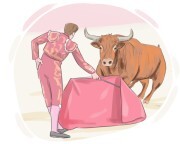
the principal bullfighter who is appointed to make the final passes and kill the bull
matador, torero
used to express a large quantity or degree of something, meaning "much," "a lot," or "many" depending on context
bardzo, wiele
Doceniam to bardzo za pomoc w projekcie.
a chaplain in one of the military services
kapelan, ojciec wojskowy

a simple, sleeveless outer garment, worn over the body to provide warmth and protection from the elements
ponczo, peleryna
without wasting any time; immediately
natychmiast, bez zwłoki
Czy możesz do mnie oddzwonić natychmiast? To dość ważne.
a Spanish title or form of address for a man; similar to the English `Mr' or `sir'
Senior, Pan
a Spanish title or form of address for a married woman; similar to the English `Mrs' or `madam'
Pani, Dama
a Spanish title or form of address used to or of an unmarried girl or woman; similar to the English `Miss'
Señorita, Panna

a felt or straw hat with a wide brim and a tall crown, typically worn by Mexican men
sombrero, meksykański kapelusz
a Yiddish term for a doughnut-shaped, yeast-leavened roll with a shiny, firm crust
bajgiel, żydowska bułka
Kupili tuzin bajgli na przyjęcie brunchowe.
