
El libro Street Talk 2 - Una Mirada Más Cercana 2: Lección 4
Continúa explorando el vocabulario, las expresiones, los significados y el uso de la lección 4 de Street Talk 2 en esta segunda sección de análisis más detallado.
Revisión
Tarjetas de memoria
Ortografía
Cuestionario


a slight, rapid variation in pitch and intensity of a note

vibrato, temblor
Los saxofonistas de jazz a menudo emplean el vibrato para infundir a sus solos una expresión llena de alma.
someone who is highly skilled at playing a musical instrument
virtuoso
El concierto presentó a un virtuoso de la guitarra cuyo rápido trabajo de dedos y melodías intrincadas mostraron su talento excepcional.
for a certain purpose, especially an immediate one
ad hoc
Decidieron abordar la preocupación del cliente ad hoc en lugar de esperar a la reunión programada.
in a way that occurs continuously without a limit
hasta el infinito
La secuencia matemática se extiende ad infinitum.
to say or perform something spontaneously without prior preparation
improvisar, decir espontáneamente
Durante la entrevista, decidió improvisar en lugar de leer el guion.
excessively repeated to the point of annoyance
hasta la saciedad, hasta el cansancio
Se quejó del problema ad nauseam, agotando a sus amigos.
the university, college, or school that one used to study at
alma mater
Su alma mater le otorgó un título honorífico por sus logros.

one's other personality, particularly one that greatly differs from what one often shows
alter ego
a person, particularly a male one, who is a former student of a college, university, or school
exalumno
La asociación de exalumnos organiza oportunidades de networking y eventos sociales para mantener a los exalumnos conectados con su alma mater.

between midnight and noon
de la mañana
Mi clase de inglés comienza a las 8 a.m. los lunes.

after noon and before midnight
de la tarde, de la noche
La conferencia invitada comienza a las 6 p.m. en el auditorio.
genuine and not fake
auténtico
La empresa se enorgullece de ser un líder bona fide en la industria, ofreciendo productos de alta calidad.
(of a relationship) characterized by emotional closeness without romantic or sexual elements
platónico
A pesar de su química, ambos acordaron mantener su relación platónica.

not displaying emotions and not complaining, especially in difficult and painful situations
estoico
El soldado fue estoico frente a la adversidad.
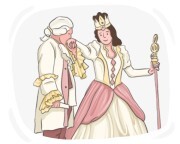
an actor or actress who performs on stage or in film
comediante, actor
El festival honró a los téspidas veteranos por su contribución a las artes.

a tropical storm with violent winds moving in a circle that form over the western Pacific Ocean
tifón
La temporada de tifones en Filipinas generalmente va de junio a noviembre, con varias tormentas que afectan a la región.
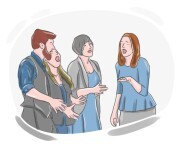
(music) with gradually increasing speed
accelerando
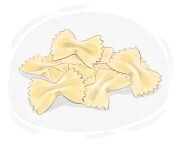
(of food, particularly pasta) cooked just enough to still have a firm texture when bitten into, without being overly soft or mushy
al dente
(music) at a moderately fast tempo, but more slowly than allegro
allegretto
a long, elaborate song that is melodious and is intended for a solo voice, especially in an opera
aria
a musical technique where the notes of a chord are played individually in a sequence rather than simultaneously
arpegio
Durante el solo de guitarra, el músico ejecutó hábilmente un arpegio rápido, añadiendo un elemento dinámico y expresivo a la actuación.
the speed that a piece of music is or should be played at
tempo, ritmo
El tempo de la música se ralentizó gradualmente hacia el final.
a vocal composition with instrumental accompaniment, typically structured in multiple movements and often involving a choir, soloists, and orchestra
cantata, cantata
La cantata presentaba solos y pasajes corales alternos.

a type of coffee made from espresso mixed with hot milk or cream
capuchino
Disfruta bebiendo un cappuccino mientras lee el periódico en el café.
a type of soprano singer known for their ability to perform intricate and embellished vocal passages
coloratura, soprano coloratura
Los críticos aclamaron a la coloratura como una maestra de su arte, elogiando su capacidad para ejecutar incluso los adornos vocales más desafiantes con facilidad.
a lively and spirited allegro passage or movement
allegro con spirito
(of sound) characterized by a progressive amplification
crescenendo, en crescendo
La sección crescendo de la canción le dio un clímax dramático.
a singer that uses a male singing voice that extends over the range of a tenor voice
falsete, voz de falsete
played or sung loudly or with strong emphasis
forte
Durante el concierto de rock, los solos forte del guitarrista electrizaron al público con su energía e intensidad.
performed or intended to be performed very loudly and forcefully
fortissimo, muy fuerte

(musical direction) in the manner of a glissando (with a rapidly executed series of notes)
en glissando
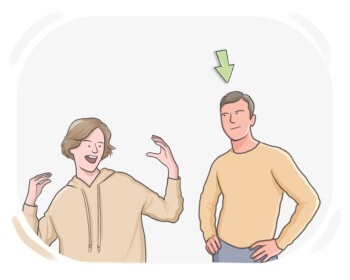
serious, dignified, and solemn in manner or character
grave
in disguise or using a false identity to avoid being recognized
incógnito, bajo un nombre falso
La celebridad a menudo va incógnito para disfrutar de actividades regulares sin interrupciones.
used to describe a moderately slow tempo, slower than andante but faster than largo
larghetto, moderadamente lento
En este pasaje larghetto, la música fluye suavemente.
a musical piece that is intended to be performed at a very slow tempo and in a serious manner
largo
(music) having a slow tempo
lento
a person who is an expert or master in conducting or directing an orchestra or musical performance
maestro, director de orquesta
a type of classical female singing voice situated between the soprano and contralto ranges
mezzosoprano, mezzo
Los críticos elogiaron a la mezzosoprano por su versatilidad, capaz de transmitir tanto poder como sensibilidad.
a moderate or half voice, meaning to sing or play at a medium volume, not too loud or too soft
mezzo voce, a media voz
El director le pidió a la orquesta que tocara mezzo voce durante el pasaje delicado.
a musical suite, typically a collection of dance movements, often in the Baroque period
partita, suite musical
La partita del compositor estaba estructurada en múltiples secciones contrastantes.
(music) a passage or section performed at a very low volume
pianissimo, pasaje pianissimo
softly or at a relatively low volume, as a direction in music
piano, suavemente
played by pulling and releasing the strings with the fingers rather than using a bow
pizzicato, punteado
a musical marking indicating that a note should begin with a strong attack
sforzando
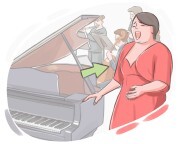
a female or young male singer with a singing voice that has the highest range
soprano
La voz de soprano del joven era asombrosa, alcanzando notas altas sin esfuerzo hasta que su voz comenzó a cambiar.
playing or singing musical notes with short, distinct intervals between them
staccato
La entrega staccato del cantante enfatizó la naturaleza animada de la canción.
a warning that a particular action should be avoided
advertencia, salvedad

an offspring of a human or animal that is not born yet, particularly a human aged more than eight weeks after conception
feto
La madre estaba emocionada de ver su feto en la imagen del ultrasonido.
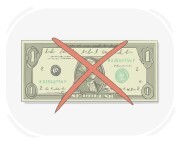
without costing anything
gratis, gratuitamente
Las muestras se repartieron gratis a todos los asistentes al evento.

a proposed explanation for a situation or set of facts that has not yet been proved
hipótesis
used to introduce a word or statement that explains or clarifies exactly what has just been said
(psychology) the mental energy or drive connected with sexual desire
libido, deseo sexual
Según Freud, la libido es una fuerza clave en la formación de la personalidad.
with high honor; with high academic distinction
con altos honores; con alta distinción académica
per person
per cápita, por habitante
El estudio examinó el consumo de energía per cápita en diferentes ciudades.
used to describe something as it is, without comparing it to other things
per se, en sí mismo
La película no era una obra maestra per se, pero sí tuvo algunas actuaciones notables.
(psychology) a person's social representation or the impression other's have of a certain individual which is concealing the true self
imagen pública
occurring, performed, or obtained after death
post mortem, postmortem
an additional thought or comment added after the main body of a letter or document, usually after the signature
posdata, P.D.
Siempre añado un post scriptum a mis correos electrónicos si recuerdo algo importante después de haber hecho clic en enviar.
something done as a formality or for the sake of procedure, often without necessarily having practical significance
proforma, factura proforma
Firmó el contrato proforma, a pesar de que los términos ya habían sido acordados.
the smallest possible amount of a particular quantity that cannot be divided any further
cuanto, cantidad mínima indivisible
El principio de incertidumbre, un concepto fundamental en mecánica cuántica, establece que ciertos pares de propiedades físicas, como la posición y el momento, no pueden ser medidos simultáneamente con precisión arbitraria.
the final part of the large intestine where waste is collected before being passed through the anus
recto
a pouch of skin that houses the testicles in the male reproductive system
escroto, bolsa escrotal
mucus or phlegm that is coughed up from the respiratory tract, typically as a result of infection or disease
esputo, flema
La bronquitis crónica se caracteriza por la producción excesiva de esputo.
the condition or situation of something or someone at a particular moment in time
estado, situación
El estado del clima cambió de despejado a tormentoso.
the situation or condition that is currently at hand
statu quo
Desafiaron el statu quo con su enfoque innovador del problema.
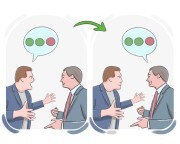
in exactly the same words as used originally
textualmente, palabra por palabra
El testigo recitó la conversación palabra por palabra durante el juicio.
with the order or relations reversed
viceversa
Puedes elegir visitar primero el museo y luego el parque, o vice versa.
a person who is knowledgeable and enthusiastic about a particular activity, subject, or interest
aficionado
Se convirtió en una aficionada de la cocina japonesa después de visitar Tokio.

a hut, shelter, or cabin, usually at a swimming pool or beach
cabaña
La cabaña tropical estaba adornada con telas coloridas y rodeada de exuberante vegetación, creando un entorno paradisíaco.
a bar or small restaurant, often one that serves wine or alcoholic beverages, especially in Mediterranean countries
cantina, bar
Se excusó para ir a la cantina, aunque en realidad solo se dirigía al baño.
a Latin American (disparaging) term for foreigners (especially Americans and Englishmen)
un término latinoamericano despectivo para los extranjeros (especialmente estadounidenses e ingleses), gringo (término despectivo)
***until the (next) view : see you later
hasta la vista : nos vemos luego
used to say "see you tomorrow," often used as a friendly farewell when you expect to meet someone again the next day
without the means or right to communicate
incomunicado, sin medios para comunicarse
strongly masculine, often in appearance or manner
macho, machista
El actor interpretó a un héroe macho en la película.
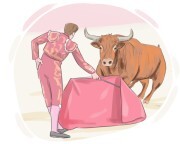
the principal bullfighter who is appointed to make the final passes and kill the bull
matador, torero
used to express a large quantity or degree of something, meaning "much," "a lot," or "many" depending on context
mucho, un montón
Él corre mucho más rápido que yo.
a Christian clergyman serving as a chaplain in the armed forces
capellán castrense, padre

a simple, sleeveless outer garment, worn over the body to provide warmth and protection from the elements
poncho, capa
without wasting any time; immediately
inmediatamente, sin demora
La pizza debería estar aquí pronto, ¡me muero de hambre!
a Spanish title or form of address for a man; similar to the English `Mr' or `sir'
Señor, Don
a Spanish title or form of address for a married woman; similar to the English `Mrs' or `madam'
Señora, Doña
a Spanish title or form of address used to or of an unmarried girl or woman; similar to the English `Miss'
Señorita, Joven

a felt or straw hat with a wide brim and a tall crown, typically worn by Mexican men
sombrero, sombrero mexicano
a Yiddish term for a doughnut-shaped, yeast-leavened roll with a shiny, firm crust
bagel, rosquilla judía
El bagel tenía una superficie brillante por el baño de huevo.
