pattern

Kniha Street Talk 2 - Bližší Pohled 2: Lekce 4

Pokračujte v objevování slovní zásoby, výrazů, významů a použití z lekce 4 Street Talk 2 v této druhé části podrobnějšího pohledu.

Revize

Kartičky

Pravopis

Kvíz

Začněte se učit
Street Talk 2
vibrato
vibrato
[Podstatné jméno]

a slight, rapid variation in pitch and intensity of a note

vibrato, chvění

vibrato, chvění

Ex: Vibrato is a fundamental technique for string players, enhancing the richness and expressiveness of their performances. 

Vibrato je základní technika pro hráče na smyčcové nástroje, která zvyšuje bohatost a výraznost jejich výkonů.

virtuoso
virtuoso
[Podstatné jméno]

someone who is highly skilled at playing a musical instrument

virtuóz

virtuóz

Ex: The virtuoso's encore performance brought the crowd to their feet, applauding the masterful display of musical prowess. 

Encore vystoupení virtuóza přimělo publikum vstát a tleskat mistrovské ukázce hudební zdatnosti.

ad hoc
ad hoc
[Příslovce]

for a certain purpose, especially an immediate one

ad hoc, zvlášť

ad hoc, zvlášť

Ex: The rules were modified ad hoc to suit the unique circumstances of the competition. 

Pravidla byla upravena ad hoc, aby vyhovovala jedinečným okolnostem soutěže.

ad infinitum
ad infinitum
[Příslovce]

in a way that occurs continuously without a limit

do nekonečna, nekonečně

do nekonečna, nekonečně

Ex: The loop in the code executed ad infinitum, causing a system crash. 

Smyčka v kódu byla provedena ad infinitum, což způsobilo pád systému.

to ad lib
to ad lib
[sloveso]

to say or perform something spontaneously without prior preparation

improvizovat, říkat spontánně

improvizovat, říkat spontánně

Ex: Skilled actors can ad lib naturally without breaking character. 

Zkušení herci mohou přirozeně improvizovat aniž by opustili svou postavu.

ad nauseam
ad nauseam
[Příslovce]

excessively repeated to the point of annoyance

až do nevolnosti, nadměrně

až do nevolnosti, nadměrně

Ex: The details were examined ad nauseam, leading to frustration among the team. 

Podrobnosti byly zkoumány ad nauseam, což vedlo k frustraci v týmu.

alma mater
alma mater
[Podstatné jméno]

the university, college, or school that one used to study at

alma mater, bývalá univerzita

alma mater, bývalá univerzita

Ex: The alma mater's new scholarship program aims to support underprivileged students. 

Nový stipendijní program alma mater má za cíl podporovat znevýhodněné studenty.

alter ego
alter ego
[Podstatné jméno]

one's other personality, particularly one that greatly differs from what one often shows

alter ego

alter ego

alumnus
alumnus
[Podstatné jméno]

a person, particularly a male one, who is a former student of a college, university, or school

absolvent, bývalý student

absolvent, bývalý student

Ex: The university's newsletter features stories about notable alumni, celebrating their achievements and contributions to society. 

Zpravodaj univerzity obsahuje příběhy o pozoruhodných absolventech, oslavujících jejich úspěchy a příspěvky společnosti.

a.m.
a.m.
[Příslovce]

between midnight and noon

ráno, před polednem

ráno, před polednem

Ex: The gardening store opens at 8 a.m. on weekends. 

Zahradnické potřeby otevírá v 8 a.m. o víkendech.

p.m.
p.m.
[Příslovce]

after noon and before midnight

odpoledne, večer

odpoledne, večer

Ex: The restaurant stops serving dinner at 11 p.m. 

Restaurace přestává podávat večeři v 11 p.m.

bona fide
bona fide
[Přídavné jméno]

genuine and not fake

pravý, autentický

pravý, autentický

Ex: The seller assured the buyer that the watch was bona fide, with all the original documents and warranty. 

Prodejce kupujícího ujistil, že hodinky jsou bona fide, se všemi původními dokumenty a zárukou.

platonic
platonic
[Přídavné jméno]

(of a relationship) characterized by emotional closeness without romantic or sexual elements

platonický, nezištný

platonický, nezištný

Ex: Their friendship was based on a platonic affection for each other. 

Jejich přátelství bylo založeno na platonické náklonnosti k sobě navzájem.

stoic
stoic
[Přídavné jméno]

not displaying emotions and not complaining, especially in difficult and painful situations

stoický, neprojevený

stoický, neprojevený

Ex: His stoic demeanor helped him handle the stressful situation. 

Jeho stoický postoj mu pomohl zvládnout stresující situaci.

thespian
thespian
[Podstatné jméno]

an actor or actress who performs on stage or in film

herec, divadelník

herec, divadelník

Ex: The talented thespian seamlessly transformed into each role he played. 

Talentovaný thespian se bezproblémově proměnil v každou roli, kterou hrál.

typhoon
typhoon
[Podstatné jméno]

a tropical storm with violent winds moving in a circle that form over the western Pacific Ocean

tajfun, tropická cyklóna

tajfun, tropická cyklóna

Ex: Preparation for typhoons includes securing loose objects and stocking up on emergency supplies like food and water. 

Příprava na tajfuny zahrnuje zajištění volných předmětů a zásobení nouzovými zásobami, jako je jídlo a voda.

a capella
a capella
[Přídavné jméno]

sung without instrumental accompaniment

a capella

a capella

accelerando
accelerando
[Příslovce]

(music) with gradually increasing speed

accelerando

accelerando

Ex: The conductor gestured for the timpani to play accelerando. 
agitator
agitator
[Podstatné jméno]

one who agitates; a political troublemaker

agitátor, výtržník

agitátor, výtržník

al dente
al dente
[Přídavné jméno]

(of food, particularly pasta) cooked just enough to still have a firm texture when bitten into, without being overly soft or mushy

al dente, na skus

al dente, na skus

allegretto
allegretto
[Příslovce]

(music) at a moderately fast tempo, but more slowly than allegro

allegretto

allegretto

Ex: The melody proceeds allegretto after the slow introduction. 
allegro
allegro
[Podstatné jméno]

a brisk and lively tempo

allegro, tempo allegro

allegro, tempo allegro

andante
andante
[Přídavné jméno]

(of tempo) moderately slow

andante (středně pomalé)

andante (středně pomalé)

aria
aria
[Podstatné jméno]

a long, elaborate song that is melodious and is intended for a solo voice, especially in an opera

árie, píseň

árie, píseň

arpeggio
arpeggio
[Podstatné jméno]

a musical technique where the notes of a chord are played individually in a sequence rather than simultaneously

arpeggio

arpeggio

Ex: Jazz improvisation often involves using arpeggios to navigate through chord progressions with fluidity and creativity. 

Jazzová improvizace často zahrnuje použití arpeggií k plynulému a kreativnímu procházení akordových postupů.

tempo
tempo
[Podstatné jméno]

the speed that a piece of music is or should be played at

tempo, rytmus

tempo, rytmus

Ex: In classical music, tempo changes are often used to add variety to a performance. 

V klasické hudbě jsou změny tempa často používány k přidání rozmanitosti do představení.

cantata
cantata
[Podstatné jméno]

a vocal composition with instrumental accompaniment, typically structured in multiple movements and often involving a choir, soloists, and orchestra

kantáta, kantáta

kantáta, kantáta

Ex: The performance included a dramatic cantata about the Passion of Christ. 

Představení zahrnovalo dramatickou kantátu o Utrpení Krista.

cappuccino
cappuccino
[Podstatné jméno]

a type of coffee made from espresso mixed with hot milk or cream

cappuccino, druh kávy vyrobené z espresa smíchaného s teplým mlékem nebo smetanou

cappuccino, druh kávy vyrobené z espresa smíchaného s teplým mlékem nebo smetanou

Ex: She ordered a cappuccino with a sprinkle of cinnamon on top for a flavorful morning pick-me-up. 

Objednala si cappuccino s posypem skořice na vrcholu pro chutnou ranní povzbuzení.

coloratura
coloratura
[Podstatné jméno]

a type of soprano singer known for their ability to perform intricate and embellished vocal passages

koloratura, koloraturní soprán

koloratura, koloraturní soprán

Ex: The coloratura's performance in the ensemble piece added a shimmering brilliance to the overall sound, her agile voice dancing above the other singers with grace and precision. 

Vystoupení koloratury v souborové skladbě přidalo celkovému zvuku třpytivou záři, její hbitý hlas tančil nad ostatními zpěváky s grácií a přesností.

allegro con spirito
allegro con spirito
[Podstatné jméno]

a lively and spirited allegro passage or movement

allegro con spirito

allegro con spirito

Ex: The final allegro con spirito demands both speed and expressive vitality. 
contralto
contralto
[Podstatné jméno]

a female singer with the lowest singing voice

kontraalt, alt

kontraalt, alt

crescendo
crescendo
[Přídavné jméno]

(of sound) characterized by a progressive amplification

crescendo, narůstající

crescendo, narůstající

Ex: The film's score featured a crescendo motif during the final scene. 

Hudba filmu obsahovala motiv crescendo během závěrečné scény.

diminuendo
diminuendo
[Přídavné jméno]

(music) gradually decreasing in volume

diminuendo

diminuendo

falsetto
falsetto
[Podstatné jméno]

a singer that uses a male singing voice that extends over the range of a tenor voice

falzet, falzetový hlas

falzet, falzetový hlas

forte
forte
[Přídavné jméno]

played or sung loudly or with strong emphasis

hlasitý, silný

hlasitý, silný

Ex: The brass section's forte entrance in the jazz ensemble brought a burst of excitement and vigor to the piece. 

Forte vstup žesťové sekce v jazzovém souboru přinesl do skladby výbuch vzrušení a energie.

fortissimo
fortissimo
[Přídavné jméno]

performed or intended to be performed very loudly and forcefully

fortissimo,  velmi hlasitě

fortissimo, velmi hlasitě

Ex: A sudden fortissimo climax startled the audience. 
glissando
glissando
[Příslovce]

(musical direction) in the manner of a glissando (with a rapidly executed series of notes)

glissando
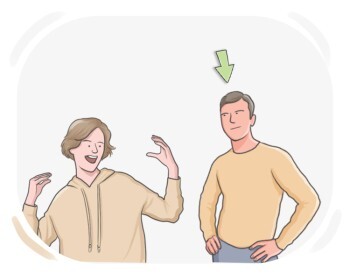
glissando

grave
grave
[Přídavné jméno]

serious, dignified, and solemn in manner or character

vážný,  důstojný

vážný, důstojný

Ex: Sarah remained grave throughout the memorial service. 
incognito
incognito
[Příslovce]

in disguise or using a false identity to avoid being recognized

incognito, pod falešnou identitou

incognito, pod falešnou identitou

Ex: They dined incognito in a small café to enjoy the evening peacefully. 

Večeřeli incognito v malé kavárně, aby si večer v klidu užili.

larghetto
larghetto
[Přídavné jméno]

used to describe a moderately slow tempo, slower than andante but faster than largo

larghetto, mírně pomalu

larghetto, mírně pomalu

Ex: The second movement is played larghetto, giving it a relaxed feel. 

Druhá věta se hraje larghetto, což jí dodává uvolněný pocit.

largo
largo
[Podstatné jméno]

a musical piece that is intended to be performed at a very slow tempo and in a serious manner

largo, hudební skladba určená k provedení velmi pomalým tempem a vážným způsobem

largo, hudební skladba určená k provedení velmi pomalým tempem a vážným způsobem

lento
lento
[Přídavné jméno]

(music) having a slow tempo

pomalý

pomalý

Ex: The score marks the opening as lento. 
maestro
maestro
[Podstatné jméno]

a person who is an expert or master in conducting or directing an orchestra or musical performance

maestro,  dirigent

maestro, dirigent

mezzo-soprano
mezzo-soprano
[Podstatné jméno]

a type of classical female singing voice situated between the soprano and contralto ranges

mezzosoprán, mezzo

mezzosoprán, mezzo

Ex: The choral arrangement highlighted the mezzo-soprano's agile range, blending seamlessly with the other vocal parts. 

Sborová úprava zdůraznila obratný rozsah mezzosopranistky, který se hladce mísil s ostatními vokálními party.

mezzo voce
mezzo voce
[Podstatné jméno]

a moderate or half voice, meaning to sing or play at a medium volume, not too loud or too soft

mezzo voce, polohlasem

mezzo voce, polohlasem

Ex: The singer performed the aria mezzo voce, giving it a soft, intimate quality. 

Zpěvák přednesl árii mezzo voce, čímž jí dodal měkkou, intimní kvalitu.

partita
partita
[Podstatné jméno]

a musical suite, typically a collection of dance movements, often in the Baroque period

partita, hudební suita

partita, hudební suita

Ex: Bach's partita for keyboard includes a variety of lively dance movements. 

Bachova partita pro klávesy zahrnuje řadu živých tanečních pohybů.

pianissimo
pianissimo
[Podstatné jméno]

(music) a passage or section performed at a very low volume

pianissimo, pasáž pianissimo

pianissimo, pasáž pianissimo

Ex: The orchestra sustained the pianissimo with remarkable control. 
piano
piano
[Příslovce]

softly or at a relatively low volume, as a direction in music

piano,  tiše

piano, tiše

Ex: The conductor asked the brass section to play the passage piano. 
pizzicato
pizzicato
[Přídavné jméno]

played by pulling and releasing the strings with the fingers rather than using a bow

pizzicato,  drnkané

pizzicato, drnkané

Ex: The sudden pizzicato chords sharply contrast with the sustained brass. 
presto
presto
[Přídavné jméno]

(of tempo) very fast

rychlý,  svižný

rychlý, svižný

prima donna
prima donna
[Podstatné jméno]

the main female singer in an opera or opera company

primadona, hlavní zpěvačka

primadona, hlavní zpěvačka

rubato
rubato
[Podstatné jméno]

a flexible tempo; not strictly on the beat

rubato, pružné tempo

rubato, pružné tempo

sforzando
sforzando
[Podstatné jméno]

a musical marking indicating that a note should begin with a strong attack

sforzando
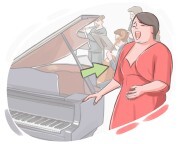
sforzando

Ex: The score contained several sforzando markings throughout the movement. 
soprano
soprano
[Podstatné jméno]

a female or young male singer with a singing voice that has the highest range

soprán

soprán

Ex: In the opera, the lead soprano had a challenging role, requiring a powerful range and expressive vocal control. 

V opeře měla hlavní sopranistka náročnou roli, která vyžadovala silný rozsah a expresivní hlasovou kontrolu.

staccato
staccato
[Přídavné jméno]

playing or singing musical notes with short, distinct intervals between them

staccato, přerušovaný

staccato, přerušovaný

Ex: The conductor emphasized the staccato passages, creating a sense of urgency in the music. 

Dirigent zdůraznil staccato pasáže, čímž vytvořil pocit naléhavosti v hudbě.

caveat
caveat
[Podstatné jméno]

a warning that a particular action should be avoided

varování, výstraha

varování, výstraha

Ex: The contract contains a caveat against unauthorized copying. 
ego
ego
[Podstatné jméno]

an inflated feeling of pride in your superiority to others

ego, pýcha

ego, pýcha

etc.
etc.
[Příslovce]

continuing in the same way

atd., a tak dále

atd., a tak dále

fetus
fetus
[Podstatné jméno]

an offspring of a human or animal that is not born yet, particularly a human aged more than eight weeks after conception

plod, embryo

plod, embryo

Ex: Genetic testing was conducted to check for any abnormalities in the fetus. 

Bylo provedeno genetické testování, aby se zjistily případné abnormality u plodu.

gratis
gratis
[Příslovce]

without costing anything

zdarma,  bezplatně

zdarma, bezplatně

Ex: They received the tickets gratis as part of a promotional giveaway. 

Obdrželi vstupenky zdarma jako součást propagační akce.

hypothesis
hypothesis
[Podstatné jméno]

a proposed explanation for a situation or set of facts that has not yet been proved

hypotéza,  domněnka

hypotéza, domněnka

Ex: He proposed a hypothesis to explain the unusual pattern. 
i.e.
i.e.
[Příslovce]

used to introduce a word or statement that explains or clarifies exactly what has just been said

Ex: The device must remain offline, i.e., it cannot connect to the internet. 
in absentia
in absentia
[Příslovce]

while absent; although absent

v nepřítomnosti, v absentii

v nepřítomnosti, v absentii

libido
libido
[Podstatné jméno]

(psychology) the mental energy or drive connected with sexual desire

libido, sexuální touha

libido, sexuální touha

Ex: The patient reported a sudden change in libido after treatment. 

Pacient hlásil náhlou změnu libida po léčbě.

magna cum laude
magna cum laude
[Přídavné jméno]

with high honor; with high academic distinction

s vyznamenáním; s vysokým akademickým oceněním

s vyznamenáním; s vysokým akademickým oceněním

per capita
per capita
[Příslovce]

per person

na hlavu, na obyvatele

na hlavu, na obyvatele

Ex: The income per capita in this country has increased significantly. 

Příjem na obyvatele v této zemi výrazně vzrostl.

per se
per se
[Příslovce]

used to describe something as it is, without comparing it to other things

samo o sobě, vlastně

samo o sobě, vlastně

Ex: The policy isn't discriminatory per se, but its impact on certain groups needs consideration. 

Politika sama o sobě není diskriminační, ale její dopad na určité skupiny je třeba zvážit.

persona
persona
[Podstatné jméno]

(psychology) a person's social representation or the impression other's have of a certain individual which is concealing the true self

persona

persona

postmortem
postmortem
[Přídavné jméno]

occurring, performed, or obtained after death

posmrtný, po smrti

posmrtný, po smrti

Ex: The study compared postmortem tissue from several donors. 
post scriptum
post scriptum
[Podstatné jméno]

an additional thought or comment added after the main body of a letter or document, usually after the signature

dodatek, P.S.

dodatek, P.S.

Ex: I included a post scriptum in my thank-you note to let her know I had found the lost book. 

Přidal jsem post scriptum do svého děkovného dopisu, abych jí dal vědět, že jsem našel ztracenou knihu.

proforma
proforma
[Podstatné jméno]

something done as a formality or for the sake of procedure, often without necessarily having practical significance

proforma, proforma faktura

proforma, proforma faktura

Ex: The proforma invoice was sent to the client, although the final payment details were yet to be finalized. 

Proforma faktura byla odeslána klientovi, ačkoli konečné platební údaje ještě nebyly dokončeny.

quantum
quantum
[Podstatné jméno]

the smallest possible amount of a particular quantity that cannot be divided any further

kvantum, nejmenší možná nedělitelná množství

kvantum, nejmenší možná nedělitelná množství

Ex: Quantum electrodynamics is a quantum field theory that describes the interactions between electromagnetic fields and charged particles, such as electrons and photons. 

Kvantová elektrodynamika je kvantová teorie pole, která popisuje interakce mezi elektromagnetickými poli a nabitými částicemi, jako jsou elektrony a fotony.

rectum
rectum
[Podstatné jméno]

the final part of the large intestine where waste is collected before being passed through the anus

konečník, poslední část tlustého střeva

konečník, poslední část tlustého střeva

scrotum
scrotum
[Podstatné jméno]

a pouch of skin that houses the testicles in the male reproductive system

šourek, skrotum

šourek, skrotum

sputum
sputum
[Podstatné jméno]

mucus or phlegm that is coughed up from the respiratory tract, typically as a result of infection or disease

sputum, hlen

sputum, hlen

Ex: Effective treatment of pneumonia often involves clearing the lungs of sputum to improve breathing. 

Účinná léčba pneumonie často zahrnuje čištění plic od sputa ke zlepšení dýchání.

status
status
[Podstatné jméno]

the condition or situation of something or someone at a particular moment in time

stav, status

stav, status

Ex: The company's financial status improved after the new investment. 

Finanční stav společnosti se po nové investici zlepšil.

status quo
status quo
[Podstatné jméno]

the situation or condition that is currently at hand

status quo, současný stav

status quo, současný stav

Ex: The company’s policy aims to preserve the status quo in terms of employee benefits. 

Politika společnosti má za cíl zachovat status quo pokud jde o zaměstnanecké výhody.

verbatim
verbatim
[Příslovce]

in exactly the same words as used originally

slovo od slova, doslova

slovo od slova, doslova

Ex: The article was taken almost verbatim from another source. 

Článek byl převzat téměř doslova z jiného zdroje.

vice versa
vice versa
[Příslovce]

with the order or relations reversed

a naopak, vzájemně

a naopak, vzájemně

Ex: He prefers to run in the morning and relax in the evening, but vice versa works just as well for her. 

Raději běhá ráno a večer odpočívá, ale naopak funguje stejně dobře pro ni.

aficionado
aficionado
[Podstatné jméno]

a person who is knowledgeable and enthusiastic about a particular activity, subject, or interest

znalec,  nadšenec

znalec, nadšenec

Ex: He is a football aficionado who knows every player's statistics. 

Je to nadšenec do fotbalu, který zná statistiky každého hráče.

cabana
cabana
[Podstatné jméno]

a hut, shelter, or cabin, usually at a swimming pool or beach

chata, kabina

chata, kabina

Ex: As the sun began to set, they lit candles in the cabana, transforming it into a romantic oasis by the sea. 

Jak slunce začalo zapadat, zapálili svíčky v kabaně a proměnili ji v romantickou oázu u moře.

cantina
cantina
[Podstatné jméno]

a bar or small restaurant, often one that serves wine or alcoholic beverages, especially in Mediterranean countries

cantina, bar

cantina, bar

Ex: We grabbed a drink at the local cantina after the concert. 

Po koncertu jsme si dali drink v místní cantině.

chaparral
chaparral
[Podstatné jméno]

dense vegetation consisting of stunted trees or bushes

křoví, houština

křoví, houština

chicano
chicano
[Podstatné jméno]

a person of Mexican descent

Chicano, osoba mexického původu

Chicano, osoba mexického původu

gringo
gringo
[Podstatné jméno]

a Latin American (disparaging) term for foreigners (especially Americans and Englishmen)

latinskoamerický hanlivý termín pro cizince (zejména Američany a Angličany), gringo (hanlivý termín)

latinskoamerický hanlivý termín pro cizince (zejména Američany a Angličany), gringo (hanlivý termín)

hasta la vista
hasta la vista
[Citoslovce]

***until the (next) view : see you later

na shledanou : uvidíme se později

na shledanou : uvidíme se později

hasta mañana

used to say "see you tomorrow," often used as a friendly farewell when you expect to meet someone again the next day

Ex: It was great catching up!  Hasta mañana, my friend! 
incommunicado
incommunicado
[Přídavné jméno]

without the means or right to communicate

nekomunikující, bez komunikačních prostředků

nekomunikující, bez komunikačních prostředků

macho
macho
[Přídavné jméno]

strongly masculine, often in appearance or manner

macho, mužný

macho, mužný

Ex: She mocked his macho posturing. 

Vysmívala se jeho macho postoji.

matador
matador
[Podstatné jméno]

the principal bullfighter who is appointed to make the final passes and kill the bull

matador,  toreador

matador, toreador

mucho
mucho
[Příslovce]

used to express a large quantity or degree of something, meaning "much," "a lot," or "many" depending on context

hodně, velmi

hodně, velmi

Ex: I appreciate it mucho for helping me with the project. 

Vážím si toho moc, že jsi mi pomohl s projektem.

padre
padre
[Podstatné jméno]

a Christian clergyman serving as a chaplain in the armed forces

vojenský kaplan,  padre

vojenský kaplan, padre

Ex: Officers and enlisted personnel alike sought advice from the padre. 
poncho
poncho
[Podstatné jméno]

a simple, sleeveless outer garment, worn over the body to provide warmth and protection from the elements

pončo, plášť

pončo, plášť

pronto
pronto
[Příslovce]

without wasting any time; immediately

ihned, bez prodlení

ihned, bez prodlení

Ex: They’ll be here pronto, just waiting on the last couple of things to wrap up. 

Budou tady okamžitě, jen čekají na poslední pár věcí, které se dokončí.

Senor
Senor
[Podstatné jméno]

a Spanish title or form of address for a man; similar to the English `Mr' or `sir'

Señor, Pan

Señor, Pan

Senora
Senora
[Podstatné jméno]

a Spanish title or form of address for a married woman; similar to the English `Mrs' or `madam'

Paní, Dáma

Paní, Dáma

ma'am
ma'am
[Podstatné jméno]

a woman of refinement

paní, dáma

paní, dáma

Senorita
Senorita
[Podstatné jméno]

a Spanish title or form of address used to or of an unmarried girl or woman; similar to the English `Miss'

Señorita, Slečna

Señorita, Slečna

sombrero
sombrero
[Podstatné jméno]

a felt or straw hat with a wide brim and a tall crown, typically worn by Mexican men

sombrero, mexický klobouk

sombrero, mexický klobouk

bagel
bagel
[Podstatné jméno]

a Yiddish term for a doughnut-shaped, yeast-leavened roll with a shiny, firm crust

bagel, židovská houska

bagel, židovská houska

Ex: The bakery's bagels reflect Eastern European culinary traditions. 

Bagely pekárny odrážejí východoevropské kulinářské tradice.

LanGeek
Stáhnout aplikaci LanGeek