pattern

Книга Street Talk 2 - Более Пристальный Взгляд 2: Урок 4

Продолжайте изучать лексику, выражения, значения и употребление из урока 4 Street Talk 2 в этом втором разделе более детального рассмотрения.

Обзор

Флэш-карточки

Правописание

Тест

Начать учиться
Street Talk 2
vibrato
vibrato
[существительное]

a slight, rapid variation in pitch and intensity of a note

вибрато, дрожание

вибрато, дрожание

Ex: The singer's expressive vibrato added warmth and emotion to the aria. 

Выразительный вибрато певца добавил теплоты и эмоций арии.

Закрыть
Войти
virtuoso
virtuoso
[существительное]

someone who is highly skilled at playing a musical instrument

виртуоз

виртуоз

Ex: The young pianist was hailed as a virtuoso, astonishing audiences with his technical brilliance and emotional depth. 

Молодого пианиста приветствовали как виртуоза, поражая публику его техническим мастерством и эмоциональной глубиной.

Закрыть
Войти
ad hoc
ad hoc
[наречие]

for a certain purpose, especially an immediate one

ситуационно

ситуационно

Ex: The emergency services were assembled ad hoc to deal with the unexpected flood. 

Экстренные службы были собраны ad hoc для борьбы с неожиданным наводнением.

Закрыть
Войти
ad infinitum
ad infinitum
[наречие]

in a way that occurs continuously without a limit

до бесконечности

до бесконечности

Ex: They vowed to love each other ad infinitum, beyond the bounds of time. 

Они поклялись любить друг друга ad infinitum, за пределами времени.

Закрыть
Войти
to ad lib
to ad lib
[глагол]

to say or perform something spontaneously without prior preparation

импровизировать, говорить спонтанно

импровизировать, говорить спонтанно

Ex: The actor had to ad lib when he forgot his lines during the play. 

Актеру пришлось импровизировать, когда он забыл свои реплики во время спектакля.

Закрыть
Войти
ad nauseam
ad nauseam
[наречие]

excessively repeated to the point of annoyance

до тошноты, чрезмерно

до тошноты, чрезмерно

Ex: He explained his conspiracy theory ad nauseam, ignoring all counterarguments. 

Он объяснял свою теорию заговора ad nauseam, игнорируя все контраргументы.

Закрыть
Войти
alma mater
alma mater
[существительное]

the university, college, or school that one used to study at

Школа,  в которой он учился

Школа, в которой он учился

Ex: She returned to her alma mater to give a guest lecture. 

Она вернулась в свою alma mater, чтобы прочитать гостевую лекцию.

Закрыть
Войти
alter ego
alter ego
[существительное]

one's other personality, particularly one that greatly differs from what one often shows

Другое имя или личность

Другое имя или личность

Закрыть
Войти
alumnus
alumnus
[существительное]

a person, particularly a male one, who is a former student of a college, university, or school

выпускник

выпускник

Ex: The university recognized John Smith as an outstanding alumnus for his contributions to the field of medicine. 

Университет признал Джона Смита выдающимся выпускником за его вклад в область медицины.

Закрыть
Войти
a.m.
a.m.
[наречие]

between midnight and noon

до полудня

до полудня

Ex: Don't forget, your flight is at 6 a.m. tomorrow. 

Не забудьте, ваш рейс завтра в 6 утра.

Закрыть
Войти
p.m.
p.m.
[наречие]

after noon and before midnight

после полудня

после полудня

Ex: I'll pick you up at 2 p.m. for the doctor's appointment. 

Я заберу тебя в 2 часа дня на прием к врачу.

Закрыть
Войти
bona fide
bona fide
[прилагательное]

genuine and not fake

истинный

истинный

Ex: After much investigation, they confirmed that the antique furniture was bona fide, not a modern imitation. 

После долгих исследований они подтвердили, что антикварная мебель была bona fide, а не современной подделкой.

Закрыть
Войти
platonic
platonic
[прилагательное]

(of a relationship) characterized by emotional closeness without romantic or sexual elements

прозаичный, платонический

прозаичный, платонический

Ex: They shared a platonic friendship built on mutual respect and understanding. 

У них была платоническая дружба, основанная на взаимном уважении и понимании.

Закрыть
Войти
stoic
stoic
[прилагательное]

not displaying emotions and not complaining, especially in difficult and painful situations

стойкий

стойкий

Ex: He remained stoic despite the challenging circumstances. 

Он оставался стоиком, несмотря на сложные обстоятельства.

Закрыть
Войти
thespian
thespian
[существительное]

an actor or actress who performs on stage or in film

актёр, лицедей

актёр, лицедей

Ex: The award-winning thespian delivered a stunning performance in the play. 

Награждённый теспиан выдал потрясающее выступление в пьесе.

Закрыть
Войти
typhoon
typhoon
[существительное]

a tropical storm with violent winds moving in a circle that form over the western Pacific Ocean

тайфун

тайфун

Ex: The typhoon brought heavy rain and strong winds, causing widespread damage to homes and infrastructure. 

Тайфун принес сильные дожди и мощные ветры, вызвав широкомасштабные разрушения домов и инфраструктуры.

Закрыть
Войти
a capella
a capella
[прилагательное]

sung without instrumental accompaniment

а капелла

а капелла

Закрыть
Войти
accelerando
accelerando
[наречие]

with increasing speed

ускоряясь

ускоряясь

Ex: The pianist played the final passage accelerando. 
Закрыть
Войти
agitator
agitator
[существительное]

one who agitates; a political troublemaker

агитатор, подстрекатель

агитатор, подстрекатель

Закрыть
Войти
al dente
al dente
[прилагательное]

(of food, particularly pasta) cooked just enough to still have a firm texture when bitten into, without being overly soft or mushy

Аль денте

Аль денте

Закрыть
Войти
allegretto
allegretto
[наречие]

in a moderately quick tempo

аллегретто

аллегретто

Ex: Play this passage allegretto. 
Закрыть
Войти
allegro
allegro
[существительное]

a brisk and lively tempo

аллегро, темп аллегро

аллегро, темп аллегро

Закрыть
Войти
andante
andante
[прилагательное]

(of tempo) moderately slow

анданте (умеренно медленный)

анданте (умеренно медленный)

Закрыть
Войти
aria
aria
[существительное]

a long, elaborate song that is melodious and is intended for a solo voice, especially in an opera

ария

ария

Закрыть
Войти
arpeggio
arpeggio
[существительное]

a musical technique where the notes of a chord are played individually in a sequence rather than simultaneously

арпеджио

арпеджио

Ex: In the classical guitar piece, the musician showcased his skill with a beautiful arpeggio, highlighting the individual notes of the chord. 

В классической гитарной пьесе музыкант продемонстрировал своё мастерство красивым арпеджио, подчеркивая отдельные ноты аккорда.

Закрыть
Войти
tempo
tempo
[существительное]

the speed that a piece of music is or should be played at

темп

темп

Ex: The conductor adjusted the tempo to match the mood of the piece. 

Дирижёр подкорректировал темп, чтобы он соответствовал настроению произведения.

Закрыть
Войти
cantata
cantata
[существительное]

a vocal composition with instrumental accompaniment, typically structured in multiple movements and often involving a choir, soloists, and orchestra

кантата, кантата

кантата, кантата

Ex: Bach's church cantatas are masterpieces of Baroque sacred music. 

Церковные кантаты Баха — это шедевры барочной духовной музыки.

Закрыть
Войти
cappuccino
cappuccino
[существительное]

a type of coffee made from espresso mixed with hot milk or cream

капучино

капучино

Ex: The barista created a heart-shaped design in the foam of the cappuccino. 

Бариста создал узор в форме сердца на пенке капучино.

Закрыть
Войти
coloratura
coloratura
[существительное]

a type of soprano singer known for their ability to perform intricate and embellished vocal passages

колоратура, колоратурное сопрано

колоратура, колоратурное сопрано

Ex: The coloratura's performance of the aria was breathtaking, with her agile voice effortlessly navigating the intricate passages. 

Исполнение арии колоратурным сопрано было захватывающим, её подвижный голос легко преодолевал сложные пассажи.

Закрыть
Войти
allegro con spirito
allegro con spirito
[существительное]

lively with spirit

аллегро кон спирито, оживленно с духом

аллегро кон спирито, оживленно с духом

Ex: The allegro con spirito opens with a vigorous orchestral theme. 
Закрыть
Войти
contralto
contralto
[существительное]

a female singer with the lowest singing voice

контральто

контральто

Закрыть
Войти
crescendo
crescendo
[прилагательное]

(of sound) characterized by a progressive amplification

крещендо, нарастающий

крещендо, нарастающий

Ex: The orchestra played a crescendo passage that built suspense. 

Оркестр сыграл крещендо пассаж, который создал напряжение.

Закрыть
Войти
diminuendo
diminuendo
[прилагательное]

(music) gradually decreasing in volume

диминуэндо

диминуэндо

Закрыть
Войти
falsetto
falsetto
[существительное]

a singer that uses a male singing voice that extends over the range of a tenor voice

фальцет, голос фальцетом

фальцет, голос фальцетом

Закрыть
Войти
forte
forte
[прилагательное]

played or sung loudly or with strong emphasis

форте

форте

Ex: The orchestra reached a forte passage in the symphony, filling the concert hall with powerful sound. 

Оркестр достиг форте пассажа в симфонии, наполнив концертный зал мощным звуком.

Закрыть
Войти
fortissimo
fortissimo
[прилагательное]

(chiefly a direction or description in music) very loud and strong

фортиссимо (очень громко и сильно)

фортиссимо (очень громко и сильно)

Ex: A fortissimo chord ended the first movement. 
Закрыть
Войти
glissando
glissando
[наречие]

(musical direction) in the manner of a glissando (with a rapidly executed series of notes)

глиссандо
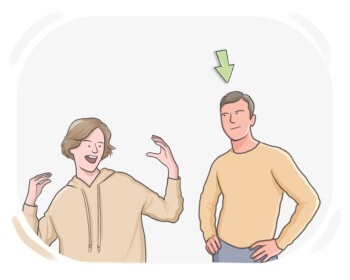
глиссандо

Закрыть
Войти
grave
grave
[прилагательное]

serious and solemn in manner or character

серьёзный

серьёзный

Ex: The detective delivered the news with a grave tone, indicating the severity of the crime. 

Детектив сообщил новость серьёзным тоном, указывая на тяжесть преступления.

Закрыть
Войти
incognito
incognito
[наречие]

in disguise or using a false identity to avoid being recognized

инкогнито, под чужим именем

инкогнито, под чужим именем

Ex: She traveled incognito to avoid recognition at the event. 

Она путешествовала инкогнито, чтобы избежать узнавания на мероприятии.

Закрыть
Войти
larghetto
larghetto
[прилагательное]

used to describe a moderately slow tempo, slower than andante but faster than largo

ларгетто, умеренно медленно

ларгетто, умеренно медленно

Ex: In this larghetto passage, the music flows gently. 

В этом ларгетто отрывке музыка течет нежно.

Закрыть
Войти
largo
largo
[существительное]

a musical piece that is intended to be performed at a very slow tempo and in a serious manner

ларго

ларго

Закрыть
Войти
lento
lento
[прилагательное]

(of tempo) slow

медленный

медленный

Ex: The piece opens with a lento passage in the strings. 
Закрыть
Войти
maestro
maestro
[существительное]

a person who is an expert or master in conducting or directing an orchestra or musical performance

маэстро,  дирижёр

маэстро, дирижёр

Закрыть
Войти
mezzo-soprano
mezzo-soprano
[существительное]

a type of classical female singing voice situated between the soprano and contralto ranges

меццо-сопрано, меццо

меццо-сопрано, меццо

Ex: The mezzo-soprano resonated with a captivating richness, captivating listeners with its depth and expression. 

Меццо-сопрано звучало с завораживающей насыщенностью, очаровывая слушателей своей глубиной и выразительностью.

Закрыть
Войти
mezzo voce
mezzo voce
[существительное]

a moderate or half voice, meaning to sing or play at a medium volume, not too loud or too soft

меццо воче, вполголоса

меццо воче, вполголоса

Ex: The conductor asked the orchestra to play mezzo voce during the delicate passage. 

Дирижёр попросил оркестр играть mezzo voce во время нежного пассажа.

Закрыть
Войти
partita
partita
[существительное]

a musical suite, typically a collection of dance movements, often in the Baroque period

партита, музыкальная сюита

партита, музыкальная сюита

Ex: The composer’s partita was structured in multiple contrasting sections. 

Партита композитора была структурирована в несколько контрастных разделов.

Закрыть
Войти
pianissimo
pianissimo
[существительное]

(music) low loudness

пианиссимо

пианиссимо

Ex: The movement ends with a delicate pianissimo. 
Закрыть
Войти
piano
piano
[наречие]

used as a direction in music; to be played relatively softly

пиано

пиано

Закрыть
Войти
pizzicato
pizzicato
[прилагательное]

(of instruments in the violin family) to be plucked with the finger

пиццикато, щипковый

пиццикато, щипковый

Ex: The piece begins with soft pizzicato notes in the violins. 
Закрыть
Войти
presto
presto
[прилагательное]

(of tempo) very fast

быстрый,  скоростной

быстрый, скоростной

Закрыть
Войти
prima donna
prima donna
[существительное]

the main female singer in an opera or opera company

примадонна

примадонна

Закрыть
Войти
rubato
rubato
[существительное]

a flexible tempo; not strictly on the beat

рубато, гибкий темп

рубато, гибкий темп

Закрыть
Войти
sforzando
sforzando
[существительное]

(music) a notation written above a note and indicating that it is to be played with a strong initial attack

сфорцандо
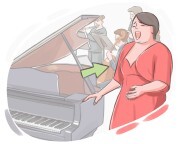
сфорцандо

Ex: The violinist followed the sforzando marking in the opening measure. 
Закрыть
Войти
soprano
soprano
[существительное]

a female or young male singer with a singing voice that has the highest range

сопрано

сопрано

Ex: The soprano captivated the audience with her clear, high notes that resonated throughout the concert hall. 

Сопрано очаровала публику своими чистыми высокими нотами, которые звучали по всему концертному залу.

Закрыть
Войти
staccato
staccato
[прилагательное]

playing or singing musical notes with short, distinct intervals between them

стаккато

стаккато

Ex: The pianist's fingers danced across the keys, producing a staccato melody. 

Пальцы пианиста танцевали по клавишам, создавая стаккато мелодию.

Закрыть
Войти
caveat
caveat
[существительное]

a warning against certain acts

предупреждение,  предостережение

предупреждение, предостережение

Ex: The guide includes a caveat against hiking alone. 
Закрыть
Войти
ego
ego
[существительное]

an inflated feeling of pride in your superiority to others

эго, гордыня

эго, гордыня

Закрыть
Войти
etc.
etc.
[наречие]

continuing in the same way

и т.д., и так далее

и т.д., и так далее

Закрыть
Войти
fetus
fetus
[существительное]

an offspring of a human or animal that is not born yet, particularly a human aged more than eight weeks after conception

плод

плод

Ex: The ultrasound showed that the fetus was developing normally. 

Ультразвук показал, что плод развивается нормально.

Закрыть
Войти
gratis
gratis
[наречие]

without costing anything

бесплатно

бесплатно

Ex: The store offered free samples of their new product gratis to customers. 

Магазин предложил бесплатные образцы своего нового продукта gratis клиентам.

Закрыть
Войти
hypothesis
hypothesis
[существительное]

an explanation based on limited facts and evidence that is not yet proved to be true

гипотеза

гипотеза

Ex: The scientist developed a hypothesis to explain the observed phenomena. 

Ученый разработал гипотезу для объяснения наблюдаемых явлений.

Закрыть
Войти
i.e.
i.e.
[наречие]

used to introduce a clarification or explanation

то есть, а именно

то есть, а именно

Ex: She’s a top athlete, i.e., she’s won multiple national championships. 

Она - топ-спортсменка, то есть она выиграла несколько национальных чемпионатов.

Закрыть
Войти
in absentia
in absentia
[наречие]

while absent; although absent

заочно, в отсутствие

заочно, в отсутствие

Закрыть
Войти
libido
libido
[существительное]

(psychology) the mental energy or drive connected with sexual desire

либидо, сексуальное влечение

либидо, сексуальное влечение

Ex: Stress and fatigue can lower a person's libido. 

Стресс и усталость могут снизить либидо человека.

Закрыть
Войти
magna cum laude
magna cum laude
[прилагательное]

with high honor; with high academic distinction

с отличием; с высокой академической честью

с отличием; с высокой академической честью

Закрыть
Войти
per capita
per capita
[наречие]

per person

на душу населения, в расчете на одного человека

на душу населения, в расчете на одного человека

Ex: The study examined the energy consumption per capita in different cities. 

Исследование изучило потребление энергии на душу населения в разных городах.

Закрыть
Войти
per se
per se
[наречие]

used to describe something as it is, without comparing it to other things

само по себе, по сути

само по себе, по сути

Ex: The comment wasn't offensive per se, but it did raise eyebrows due to its tone. 

Комментарий не был оскорбительным сам по себе, но он вызвал недоумение из-за своего тона.

Закрыть
Войти
persona
persona
[существительное]

(psychology) a person's social representation or the impression other's have of a certain individual which is concealing the true self

персона

персона

Закрыть
Войти
postmortem
postmortem
[прилагательное]

occurring or done after death

посмертный, постмортем

посмертный, постмортем

Ex: Postmortem examination confirmed extensive internal injuries. 
Закрыть
Войти
post scriptum
post scriptum
[существительное]

an additional thought or comment added after the main body of a letter or document, usually after the signature

постскриптум, P.S.

постскриптум, P.S.

Ex: I forgot to tell you in the letter, post scriptum, I’ll be arriving next Monday instead of Tuesday. 

Я забыл сказать тебе в письме, постскриптум, я приеду в следующий понедельник вместо вторника.

Закрыть
Войти
proforma
proforma
[существительное]

something done as a formality or for the sake of procedure, often without necessarily having practical significance

проформа, проформа-инвойс

проформа, проформа-инвойс

Ex: He signed the proforma contract, even though the terms had already been agreed upon. 

Он подписал проформу контракта, хотя условия уже были согласованы.

Закрыть
Войти
quantum
quantum
[существительное]

the smallest possible amount of a particular quantity that cannot be divided any further

квант, минимальная неделимая величина

квант, минимальная неделимая величина

Ex: The behavior of subatomic particles is governed by the principles of quantum mechanics. 

Поведение субатомных частиц регулируется принципами квантовой механики.

Закрыть
Войти
rectum
rectum
[существительное]

the final part of the large intestine where waste is collected before being passed through the anus

прямая кишка

прямая кишка

Закрыть
Войти
scrotum
scrotum
[существительное]

a pouch of skin that houses the testicles in the male reproductive system

мошонка

мошонка

Закрыть
Войти
sputum
sputum
[существительное]

mucus or phlegm that is coughed up from the respiratory tract, typically as a result of infection or disease

мокрота, слизь

мокрота, слизь

Ex: The doctor asked the patient to provide a sample of sputum for laboratory analysis. 

Врач попросил пациента предоставить образец мокроты для лабораторного анализа.

Закрыть
Войти
status
status
[существительное]

the condition or situation of something or someone at a particular moment in time

статус

статус

Ex: The doctor checked the patient's status after the surgery. 

Врач проверил состояние пациента после операции.

Закрыть
Войти
status quo
status quo
[существительное]

the situation or condition that is currently at hand

положение дел

положение дел

Ex: The committee decided to maintain the status quo rather than implementing new changes. 

Комитет решил сохранить статус-кво, а не вводить новые изменения.

Закрыть
Войти
verbatim
verbatim
[наречие]

in exactly the same words as used originally

буквально

буквально

Ex: She repeated the instructions verbatim so nothing would be missed. 

Она повторила инструкции дословно, чтобы ничего не было упущено.

Закрыть
Войти
vice versa
vice versa
[наречие]

with the order or relations reversed

наоборот

наоборот

Ex: She helps him with his math homework, and vice versa, he helps her with science projects. 

Она помогает ему с домашним заданием по математике, и наоборот, он помогает ей с научными проектами.

Закрыть
Войти
aficionado
aficionado
[существительное]

a person who is knowledgeable and enthusiastic about a particular activity, subject, or interest

поклонник

поклонник

Ex: She is an aficionado of fine wines and can recommend the best ones. 

Она афисионадо изысканных вин и может порекомендовать лучшие.

Закрыть
Войти
cabana
cabana
[существительное]

a hut, shelter, or cabin, usually at a swimming pool or beach

коттедж

коттедж

Ex: The resort's cabanas lined the poolside, offering guests a private retreat to relax in the shade. 

Кабинки курорта выстроились вдоль бассейна, предлагая гостям уединенное место для отдыха в тени.

Закрыть
Войти
cantina
cantina
[существительное]

a bar or small restaurant, often one that serves wine or alcoholic beverages, especially in Mediterranean countries

кантина, бар

кантина, бар

Ex: He excused himself to the cantina, though he was actually just heading to the bathroom. 

Он извинился, что идет в кантину, хотя на самом деле просто направлялся в туалет.

Закрыть
Войти
chaparral
chaparral
[существительное]

dense vegetation consisting of stunted trees or bushes

чапараль, заросли

чапараль, заросли

Закрыть
Войти
chicano
chicano
[существительное]

a person of Mexican descent

чикано, человек мексиканского происхождения

чикано, человек мексиканского происхождения

Закрыть
Войти
gringo
gringo
[существительное]

a Latin American (disparaging) term for foreigners (especially Americans and Englishmen)

латиноамериканский уничижительный термин для иностранцев (особенно американцев и англичан), гринго (уничижительный термин)

латиноамериканский уничижительный термин для иностранцев (особенно американцев и англичан), гринго (уничижительный термин)

Закрыть
Войти
hasta la vista
hasta la vista
[междометие]

***until the (next) view : see you later

до встречи : увидимся позже

до встречи : увидимся позже

Закрыть
Войти
hasta mañana
hasta mañana
[фраза]

used to say "see you tomorrow," often used as a friendly farewell when you expect to meet someone again the next day

Ex: She waved goodbye and said, 'Hasta mañana!'  before leaving the office. 
Закрыть
Войти
incommunicado
incommunicado
[прилагательное]

without the means or right to communicate

некоммуникабельный, без средств связи

некоммуникабельный, без средств связи

Закрыть
Войти
macho
macho
[прилагательное]

strongly masculine, often in appearance or manner

мачо, мужественный

мачо, мужественный

Ex: He wore a macho leather jacket. 

Он носил мачо кожаную куртку.

Закрыть
Войти
matador
matador
[существительное]

the principal bullfighter who is appointed to make the final passes and kill the bull

матадор,  тореро

матадор, тореро

Закрыть
Войти
mucho
mucho
[наречие]

used to express a large quantity or degree of something, meaning "much," "a lot," or "many" depending on context

много, очень

много, очень

Ex: He runs mucho faster than I do. 

Он бегает гораздо быстрее, чем я.

Закрыть
Войти
padre
padre
[существительное]

a chaplain in one of the military services

капеллан, военный священник

капеллан, военный священник

Ex: The padre held a short service for the troops before their deployment. 
Закрыть
Войти
poncho
poncho
[существительное]

a simple, sleeveless outer garment, worn over the body to provide warmth and protection from the elements

пончо

пончо

Закрыть
Войти
pronto
pronto
[наречие]

without wasting any time; immediately

немедленно, без промедления

немедленно, без промедления

Ex: I need that report pronto, we're already running late! 

Мне нужен этот отчет немедленно, мы уже опаздываем!

Закрыть
Войти
Senor
Senor
[существительное]

a Spanish title or form of address for a man; similar to the English `Mr' or `sir'

Сеньор, Господин

Сеньор, Господин

Закрыть
Войти
Senora
Senora
[существительное]

a Spanish title or form of address for a married woman; similar to the English `Mrs' or `madam'

Сеньора, Госпожа

Сеньора, Госпожа

Закрыть
Войти
ma'am
ma'am
[существительное]

a woman of refinement

госпожа, дама

госпожа, дама

Закрыть
Войти
Senorita
Senorita
[существительное]

a Spanish title or form of address used to or of an unmarried girl or woman; similar to the English `Miss'

Сеньорита, Девушка

Сеньорита, Девушка

Закрыть
Войти
sombrero
sombrero
[существительное]

a felt or straw hat with a wide brim and a tall crown, typically worn by Mexican men

сомбреро

сомбреро

Закрыть
Войти
bagel
bagel
[существительное]

a Yiddish term for a doughnut-shaped, yeast-leavened roll with a shiny, firm crust

бейгл, еврейский бублик

бейгл, еврейский бублик

Ex: She learned to make traditional bagels from a Yiddish cookbook. 

Она научилась делать традиционные бейглы из идишской кулинарной книги.

Закрыть
Войти
LanGeek
Скачать приложение LanGeek