Vocabular Avansat pentru TOEFL - Politică
Aici veți învăța câteva cuvinte în engleză despre politică, cum ar fi "electoral", "coaliție", "bilateral" etc., care sunt necesare pentru examenul TOEFL.
Revizuire
Fișe de studiu
Ortografie
Chestionar

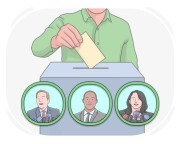
the state of being a candidate in an election

candidatură, candidatură
Ea și-a anunțat candidatura pentru funcția de primar.
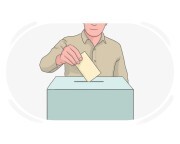
related to voting, elections, or the process of choosing representatives through voting mechanisms
electoral, referitor la alegeri

relating to a form of government where the legislature, known as parliament, has significant control over making laws and monitoring the government
parlamentar, referitor la parlament
Sistemul parlamentar permite formarea unui guvern pe baza sprijinului majoritar în legislativă.
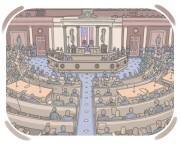
relating to the United States Congress, which makes laws and oversees the government
congresual, al Congresului
(in the US) a group of people who represent American citizens in all of the states and who formally cast votes to elect the president and vice president
colegiu electoral, adunarea electorilor
the people in a particular area who are represented by an elected member of a parliament or legislature
circumscripție electorală, electorat
a vote sent by mail by someone who cannot go to the polling place
vot prin corespondență, vot în absență
A solicitat un vot prin corespondență în timp ce studia în străinătate.
the head of government or state in some countries, responsible for leading the executive branch
cancelar, cancelar
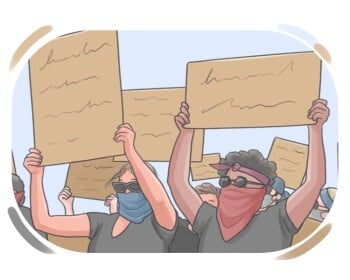
the action of striving to bring about social or political reform, especially as a member of an organization with specific objectives
activism, luptă
Activismul ei pentru conservarea mediului a inspirat mulți tineri să se alăture cauzei.

an alliance of different groups, political parties, or countries formed to work together for a particular purpose
coaliție, alianță
a public vote in which people in a country or area decide or express their opinion on an important political or social question
referendum, plebiscit
a formal ceremony at which a person is admitted to office
inaugurare
Inaugurarea noului președinte a fost urmărită de mii de spectatori adunați pe National Mall.
concerning two groups or countries
bilateral
Cele două națiuni au semnat un acord comercial bilateral.
a building in Washington DC where the Congress assembles
Capitoliu, clădirea Capitoliului
having no interest or involvement in politics
apolitic, neinteresat de politică
Natura apolitică a clubului de lectură a permis membrilor să se bucure de literatură fără a se angaja în dezbateri despre afilierile politice.
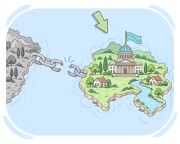
the freedom of a country, region, or organization to govern itself independently
autonomie, independență
(of countries, organizations, regions, etc.) not governed by another force, and is in control of itself
autonom, independent
Regiunii i s-a acordat statut autonom, permițându-i să ia propriile decizii politice și economice.

the doctrine that separates the state from religious associations
secularism, separarea bisericii de stat
Secularismul este un principiu de bază în constituția țării.
an economic system in which property and businesses are primarily privately owned and operated for profit
capitalism
the political belief that promotes personal freedom, democracy, gradual changes in society, and free trade
liberalism, doctrina liberală
Liberalismul subliniază importanța drepturilor și libertăților individuale, pledând pentru o societate în care oamenii își pot exprima opiniile în mod deschis.
the practice or policy of a nation controlling or ruling over foreign territories, often exploiting them economically and politically
colonialism, politică colonială
Istoria țării este marcată de secole de colonialism.
the political practice of only being concerned with one's home country and not getting involved in international affairs
izolaționism
Țara a adoptat o politică de izolaționism pentru a evita conflictele străine.
a type of politics that purports to represent the opinions and desires of ordinary people in order to gain their support
populism, demagogie
Populismul în politică se referă la o mișcare sau abordare care caută să reprezinte interesele și vocile oamenilor obișnuiți, adesea poziționându-se împotriva elitelor sau instituțiilor stabilite.
an extreme right-wing political attitude or system characterized by a strong central government, aggressively promoting one's country or race above others, as well as prohibiting any opposition
fascism
Fascismul a devenit proeminent în Europa la începutul secolului XX, ducând la înființarea unor regimuri totalitare.
a political system in which a small group of high-powered people control a country or organization
oligarhie, guvernare de către un grup mic
O oligarhie este o formă de guvernare în care puterea este concentrată în mâinile unui mic grup de indivizi sau familii.
a social and land-owning system in medieval Europe in which people were granted land and protection by a nobleman in exchange, they had to fight and work for him
feudalism, sistem feudal
Feudalismul a structurat societatea medievală în clase distincte cu seniori și vasali.
the belief in or pursuit of high principles, values, or ideals, often with a focus on the potential for perfection or improvement
idealism
Idealismul său l-a determinat să lucreze pentru schimbarea socială în comunitatea sa.
a politician who appeals to the desires and prejudices of ordinary people instead of valid arguments in order to gain support
demagog, agitator
Demagogul a stârnit emoții și a exploitat fricile pentru a obține sprijin pentru agenda sa politică.
a union or league of political entities or organizations, often for common purposes
confederație, alianță
Canada a fost formată ca o confederație de provincii.
the act or process of joining separate organizations, regions, or other bodies to form a larger federation
federare, federalizare
an overenthusiastic individual, especially one who is devoted to a radical political or religious cause
fanatic, extremist
Protestul a fost pașnic până când un grup de fanatici a început să strige sloganuri radicale.
strong pride in one's country and belief in its importance or superiority
naționalism, patriotism
a political system in which a central government controls the affairs of each self-governed state
federalism
Federalismul permite o împărțire a puterilor între guvernul național și guvernele statelor, promovând un echilibru al autorității.
a system in which one country controls or has influence over other countries, often by winning wars against them
imperialism, colonialism
Ascensiunea imperialismului în secolul al XIX-lea a dus la expansiunea imperiilor europene.
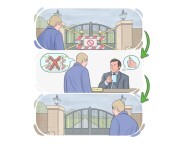
to try to persuade politicians or officials to support or oppose a particular policy, law, or action
not supporting any political party and remaining neutral in political matters
independent, apolitic
Comitetul este nepartizan.