
Humaniora ACT - Samhällsvetenskaper
Lär dig ACT-humanioravokabulär för samhällsvetenskap, inklusive samhälle, beteende, institutioner, gemenskaper, forskning och studiet av mänskliga relationer och sociala mönster.
Recension
Flashcards
Stavning
Quiz


a social system or practice that keeps minority groups separate from the majority, often through separate facilities or services

segregering, apartheid
Medborgarrättsaktivister kämpade för att avsluta segregation på offentliga platser.
the understanding that others have thoughts, feelings, and perspectives that are different from one's own
teori om sinne, förståelse av sinne
Effektiv kommunikation förlitar sig ofta på en välutvecklad teori om sinnet för att förutse och svara på andras tankar och känslor.
a system of administration organized through departments, defined responsibilities, formal procedures, and hierarchical authority
byråkrati, ämbetsmannavälde
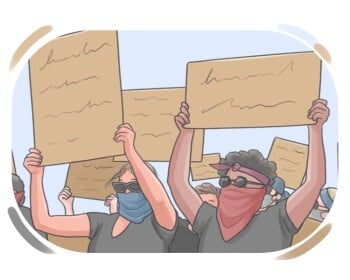
the action of striving to bring about social or political reform, especially as a member of an organization with specific objectives
aktivism, kamp
Studenternas aktivism på campus har lett till att administrationen implementerar mer hållbara metoder.
the capacity or power of an individual or entity to take action, make decisions, and influence or control their environment or circumstances
byrå, handlingskraft
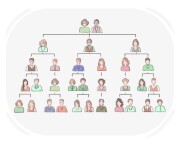
a large group of people who are related to each other
klan, stor familj
a form of sociopolitical organization in which a centralized authority governs a community or a collection of communities
hövdingadöme, hövdingasystem
Hövdingadömet-systemet kan ses som en föregångare till mer centraliserade och byråkratiska regeringsformer.
a group of people organized to work together for a shared purpose or activity
kollektiv, gemenskap
to officially count and collect information about the members of a population
folkräkna, göra folkräkning
the statistical characteristics of a population, such as age, gender, and ethnicity
demografisk, demografiska egenskaper
Undersökningsresultaten visade att den största demografin i området var familjer med små barn.
the situation or condition that is currently at hand
status quo, nuvarande läge
Hon försöker ändra status quo i sin organisation genom att införa nya procedurer.
the process of developing and expanding industries within a region or country, involving the increased production of goods through the use of advanced machinery, technology, and organized labor
industrialisering, industriell utveckling
Teknologiska framsteg, såsom ångmaskinen, spelade en avgörande roll i att driva de tidiga faserna av industrialisering.

displaying violent acts for the sake of a social or political aim
militant, stridbar
Hans militanta retorik ökade spänningarna inom samhället, vilket ledde till konfrontationer med motståndargrupper.
the behavior or attitude that does not follow established norms, conventions, or expectations within a society or group
icke-överensstämmelse
Tonåringens icke-anpassning till modetrender speglade hennes oberoende personlighet.

favoring new ideas, methods, and change rather than traditional ones
progressiv, framstegsvänlig
the process of learning the values, behavior, and norms expected within a society or group
socialisering
a society that has developed its own culture and institutions in a particular period of time or place
civilisation, samhälle
Civilisationen har gjort stora framsteg inom medicin och vetenskap över århundradena.
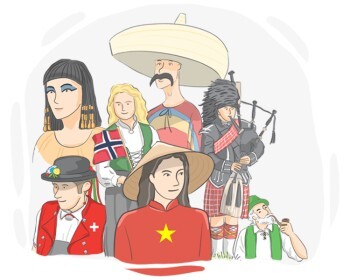
the state of belonging to a certain ethnic group
etnicitet
Forskare undersöker hur etnicitet påverkar hälsoutfall.
any of the basic freedoms or rights that protect individuals from unfair treatment and ensure equality under the law, regardless of race, gender, religion, disability, or other characteristics
medborgerlig rättighet, grundläggande frihet
Rösträtten är en viktig medborgerlig rättighet i många demokratier.
referring to factors or conditions that involve both social and economic aspects
socioekonomisk, socialekonomisk
Samhällscentret tillhandahåller resurser för att stödja familjer som möter socioekonomiska utmaningar.
the process of people moving from rural areas to urban areas, resulting in the growth of cities and the expansion of urban areas
urbanisering, stadsutveckling
Effekterna av urbanisering inkluderar trångboddhet och förorening.

characteristic of or relating to a residential area outside a city or town
förortsmässig, utanför staden

to treat a person, group, or concept as insignificant or of secondary or minor importance
marginalisera, förbigå
Utbildningssystemet marginaliserar oavsiktligt elever från låginkomstbakgrunder, vilket begränsar deras tillgång till resurser och möjligheter.
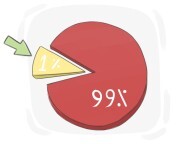
a small group of people who differ in race, religion, etc. and are often mistreated by the society
minoritet

people in the highest class of society who have a lot of power and wealth and usually high ranks and titles
aristokrati, adel
Många medlemmar av aristokratin var konstmecenater.

kings and queens and any member of their families
kunglig familj, adel
Filmen skildrade livet för kungafamiljen, med fokus på deras extravaganta livsstil och ceremoniella plikter.

a large, important city that serves as a significant economic, political, or cultural center for a region or country
metropol, stor stad
the physical and organizational assets, such as roads, bridges, utilities, and public services, that support economic activity and daily life
infrastruktur, infrastrukturer
Naturkatastrofer avslöjar ofta svagheter i den kritiska infrastrukturen.
referring to a vision of an ideal society, where everything is flawless or nearly perfect
utopisk, idealistisk
Socialister föreslog skapandet av självförsörjande utopiska samhällen där människor levde och arbetade samarbetsvilligt.
the deliberate and nonviolent refusal to obey certain laws, demands, or commands of a government or authority, typically as a form of protest
medborgerligt motstånd, passivt motstånd
Martin Luther King Jr. förespråkade civil olydnad som ett sätt att fredligt motstå rasdiskriminering och segregation.

to unfairly treat a person or group of people based on their sex, race, etc.
diskriminera
Lagen förbjuder företag att diskriminera kunder baserat på deras funktionsnedsättning.

to help someone to restore to a healthy and independent state after a period of imprisonment, addiction, illness, etc.
rehabilitera, återställa
Hon rehabiliterar patienter med fysiska skador genom specialiserade övningar.
a person who has been rejected or excluded from a social group or society, often due to their behavior, beliefs, or social status
utstött, paria
I vissa kulturer behandlades personer med funktionsnedsättning historiskt som utstötta.
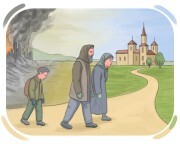
a person forced to leave their country or home to escape war, persecution, or serious danger
flykting, asylsökande
relating to the original inhabitants of a particular region or country, who have distinct cultural, social, and historical ties to that land
inhemsk, urinfödd
Urfolkets ledare förespråkar större autonomi och erkännande av deras ancestrala markrättigheter.

relating to a social system where men hold primary power and authority over women and families
patriarkalisk, faderlig
Företagets ledning förblev till stor del patriarkalisk, med få kvinnor i chefspositioner.
having a low social rank or position, often characterized by modesty
blygsam, ödmjuk
Att växa upp i ett anspråkslöst hushåll lärde henne värdet av hårt arbete och uthållighet.
to integrate into a new environment, often by adopting its language, norms, values, and practices
assimilera, integrera
Turisten försökte assimilera sig till de lokala sedvänjorna genom att lära sig grundläggande hälsningar och bordsskick.
a local administrative unit in certain countries, functioning as the smallest division of government
kommun
Kommunen organiserade en gemensam städdag för att förbättra den lokala parken och omgivande områden.

the outer areas or parts of a city or town
utkant, förort
Stadens utkant är känd för sina vackra landskap, med böljande kullar och öppna fält som lockar naturälskare och friluftsentusiaster.
an area with a church of its own that is under the care of a priest
församling, kyrkogemenskap
including a wide range of people with different nationalities and cultures
kosmopolitisk
Den kosmopolitiska festivalen hyllade kulturell mångfald med livfulla uppträdanden.
showing concern for the well-being of people and acting to improve human welfare
humanitär, välgörande
Läkarens tillvägagångssätt för vård var djupt humanitärt.
marked by discrimination against or prejudice toward individuals or groups based on their social class
klassistisk, diskriminerande baserat på social klass
Filmen skildrade arbetarklassfamiljernas kamp och belyste de klassistiska attityder de ofta möter i samhället.
a system that divides the people of a society into different social classes based on their wealth, privilage, or profession
kast, kastsystem
Diskriminering baserad på kast kan begränsa möjligheter för individer och föreviga social stratifiering och uteslutning.
a level or rank in an organization, profession, or society, indicating a person's status or authority within that hierarchy
nivå, rang
Många unga yrkesverksamma strävar efter att klättra i hierarkierna inom sina respektive områden för att uppnå större erkännande och framgång.
a person's social rank or position within a structured hierarchy or society
rang, social ställning
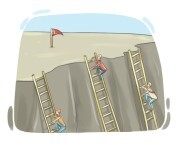
a draining and stressful lifestyle that consists of constantly competing with others for success, wealth, power, etc. and so leaving no room for rest and pleasure
ekorrhjul, ständig jakt på framgång
De flyttade utomlands för att komma bort från ekorrhjulet och få mer tid med barnen.
