
Umanistiche ACT - Scienze Sociali
Impara il vocabolario di scienze umane dell'ACT per le scienze sociali, tra cui società, comportamento, istituzioni, comunità, ricerca e lo studio delle relazioni umane e dei modelli sociali.
Revisione
Flashcard
Ortografia
Quiz


a social system or practice that keeps minority groups separate from the majority, often through separate facilities or services

segregazione
Segregazione nei luoghi di lavoro limitava l'avanzamento di carriera delle minoranze.
the understanding that others have thoughts, feelings, and perspectives that are different from one's own
teoria della mente, comprensione della mente
I ricercatori utilizzano vari compiti, come il "test di Sally-Anne", per valutare la teoria della mente sia nei bambini che negli adulti.
a system of administration organized through departments, defined responsibilities, formal procedures, and hierarchical authority
burocrazia, amministrazione burocratica
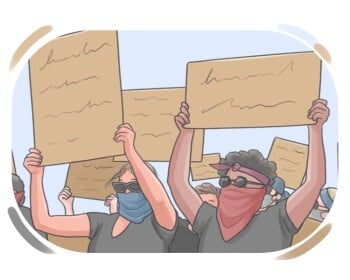
the action of striving to bring about social or political reform, especially as a member of an organization with specific objectives
attivismo
È stata coinvolta nell'attivismo fin dalla sua adolescenza, sostenendo l'uguaglianza di genere e i diritti delle donne.
the capacity or power of an individual or entity to take action, make decisions, and influence or control their environment or circumstances
agenzia, capacità di agire
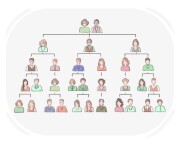
a large group of people who are related to each other
clan
a form of sociopolitical organization in which a centralized authority governs a community or a collection of communities
cacicato, sistema dei capi
In un capitanato, il capo spesso eredita la sua posizione ed esercita un'influenza considerevole sui processi decisionali della tribù.
a group of people organized to work together for a shared purpose or activity
collettivo, collettività
to officially count and collect information about the members of a population
censire, fare il censimento di
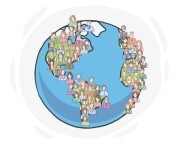
the statistical characteristics of a population, such as age, gender, and ethnicity
demografico
Le aziende spesso adattano i loro prodotti per attirare un demografico specifico.
the situation or condition that is currently at hand
status quo
La politica dell'azienda mira a preservare lo status quo in termini di benefici per i dipendenti.
the process of developing and expanding industries within a region or country, involving the increased production of goods through the use of advanced machinery, technology, and organized labor
industrializzazione, sviluppo industriale
L'industrializzazione spesso accompagna l'urbanizzazione, poiché le persone si trasferiscono nelle città in cerca di lavoro nelle fabbriche.

displaying violent acts for the sake of a social or political aim
militante
Era conosciuta per la sua posizione militante sui diritti degli animali, partecipando spesso a proteste e azioni dirette.
the behavior or attitude that does not follow established norms, conventions, or expectations within a society or group
non conformità
I filosofi esplorano spesso temi di non conformità nella loro critica alle norme e ai valori sociali.

favoring new ideas, methods, and change rather than traditional ones
progressista, innovativo
the process of learning the values, behavior, and norms expected within a society or group
socializzazione
a society that has developed its own culture and institutions in a particular period of time or place
civilizzazione
L'ascesa della civiltà in Mesopotamia segnò l'inizio della storia registrata.
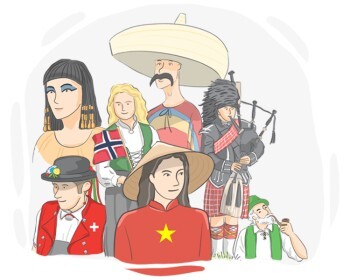
the state of belonging to a certain ethnic group
etnia
Il festival mostra musica, cibo e arte di varie etnie di tutto il mondo.
any of the basic freedoms or rights that protect individuals from unfair treatment and ensure equality under the law, regardless of race, gender, religion, disability, or other characteristics
diritto civile, libertà fondamentale
Sostenere i principi dei diritti civili è essenziale per promuovere una società giusta ed equa in cui la dignità e le libertà di tutti siano rispettate.
referring to factors or conditions that involve both social and economic aspects
socioeconomico, socio-economico
L'organizzazione no profit si concentra sul miglioramento delle condizioni socioeconomiche nelle comunità svantaggiate.
the process of people moving from rural areas to urban areas, resulting in the growth of cities and the expansion of urban areas
urbanizzazione, inurbamento
Il libro discute la storia dell'urbanizzazione.

characteristic of or relating to a residential area outside a city or town
suburbano

to treat a person, group, or concept as insignificant or of secondary or minor importance
emarginare
Emarginando prospettive diverse, limitiamo la nostra capacità di affrontare efficacemente complessi problemi sociali.
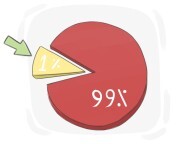
a small group of people who differ in race, religion, etc. and are often mistreated by the society
minoranza

people in the highest class of society who have a lot of power and wealth and usually high ranks and titles
aristocrazia
L'aristocrazia si oppose a molte riforme sociali che minacciavano i suoi privilegi.

kings and queens and any member of their families
royalty
Ammirava le intricate corone e i gioielli indossati dalla realtà nei ritratti storici.

a large, important city that serves as a significant economic, political, or cultural center for a region or country
metropoli, grande città
the physical and organizational assets, such as roads, bridges, utilities, and public services, that support economic activity and daily life
infrastruttura, infrastrutture
referring to a vision of an ideal society, where everything is flawless or nearly perfect
utopico, idealista
Il loro sogno era stabilire una comune utopica isolata, libera dalla corruzione del mondo esterno.
the deliberate and nonviolent refusal to obey certain laws, demands, or commands of a government or authority, typically as a form of protest
disobbedienza civile, resistenza passiva
I partecipanti alla protesta hanno intrapreso atti di disobbedienza civile bloccando l'accesso agli edifici governativi.

to unfairly treat a person or group of people based on their sex, race, etc.
fare delle discriminazioni
La scuola è stata criticata per discriminare gli studenti di determinati background religiosi.

to help someone to restore to a healthy and independent state after a period of imprisonment, addiction, illness, etc.
riabilitare
Il programma ha riabilitato con successo molti individui che avevano lottato con l'abuso di sostanze.
a person who has been rejected or excluded from a social group or society, often due to their behavior, beliefs, or social status
emarginato, reietto
L'emarginato ha trovato conforto nella compagnia di altri individui emarginati.
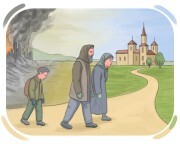
a person forced to leave their country or home to escape war, persecution, or serious danger
rifugiato
relating to the original inhabitants of a particular region or country, who have distinct cultural, social, and historical ties to that land
indigeno, autoctono
Molte lingue indigene sono a rischio di scomparsa, il che stimola gli sforzi per preservarle e rivitalizzarle.

relating to a social system where men hold primary power and authority over women and families
patriarcale, patriarcalistico
Gli atteggiamenti patriarcali perpetuano gli stereotipi e le disuguaglianze di genere in vari aspetti della vita.
having a low social rank or position, often characterized by modesty
umile, modesto
Nonostante i suoi umili inizi, è diventato un leader rispettato nella comunità.
to integrate into a new environment, often by adopting its language, norms, values, and practices
assimilare, integrarsi
Gli immigrati spesso affrontano sfide mentre cercano di assimilarsi in una nuova società preservando la propria identità culturale.
a local administrative unit in certain countries, functioning as the smallest division of government
comune
I residenti del comune hanno votato nelle elezioni locali per scegliere i loro rappresentanti in consiglio.

the outer areas or parts of a city or town
periferia
Spostarsi dalla periferia al centro città può essere difficile durante l'ora di punta, poiché la congestione del traffico spesso rallenta notevolmente i tempi di viaggio.
an area with a church of its own that is under the care of a priest
parrocchia
including a wide range of people with different nationalities and cultures
cosmopolita
Il corpo studentesco cosmopolita dell'università ha favorito un ambiente di comprensione globale.
showing concern for the well-being of people and acting to improve human welfare
umanitario
I principi umanitari hanno guidato la loro risposta alla crisi.
marked by discrimination against or prejudice toward individuals or groups based on their social class
classista, discriminatorio in base alla classe sociale
Gli attivisti stanno lavorando per aumentare la consapevolezza sulla discriminazione classista e promuovere politiche più inclusive.
a system that divides the people of a society into different social classes based on their wealth, privilage, or profession
casta
Gli sforzi per affrontare la discriminazione basata sulla casta richiedono misure legislative, riforme educative e campagne di sensibilizzazione sociale per promuovere l'uguaglianza e l'inclusività.
a level or rank in an organization, profession, or society, indicating a person's status or authority within that hierarchy
scalino, livello
Ha lavorato duramente per anni per raggiungere i gradi superiori del mondo aziendale.
a person's social rank or position within a structured hierarchy or society
rango, posizione sociale

a draining and stressful lifestyle that consists of constantly competing with others for success, wealth, power, etc. and so leaving no room for rest and pleasure
corsa sfrenata, vita sempre in competizione
Si rese conto che quella corsa sfrenata le aveva dato soldi, ma nessuna vera gioia.
