
Științe Umaniste ACT - Științe Sociale
Învață vocabularul ACT pentru științe umaniste în domeniul științelor sociale, inclusiv societate, comportament, instituții, comunități, cercetare și studiul relațiilor umane și al tiparelor sociale.
Revizuire
Fișe de studiu
Ortografie
Chestionar


a social system or practice that keeps minority groups separate from the majority, often through separate facilities or services

segregare, apartheid
Segregarea în școli era comună în sudul Statelor Unite.
the understanding that others have thoughts, feelings, and perspectives that are different from one's own
teoria minții, înțelegerea minții
Dezvoltarea teoriei minții este considerată o piatră de hotar semnificativă în dezvoltarea cognitivă și socială.
a system of administration organized through departments, defined responsibilities, formal procedures, and hierarchical authority
birocrație, birocratism

the action of striving to bring about social or political reform, especially as a member of an organization with specific objectives
activism, luptă
Activismul ei pentru conservarea mediului a inspirat mulți tineri să se alăture cauzei.
the capacity or power of an individual or entity to take action, make decisions, and influence or control their environment or circumstances
agenție, capacitate de acțiune

a large group of people who are related to each other
clan, familie mare
a form of sociopolitical organization in which a centralized authority governs a community or a collection of communities
șefie, sistemul cacicilor
Arheologii au descoperit artefacte care sugerează că vechea civilizație era organizată ca un căpetenie.
a group of people organized to work together for a shared purpose or activity
colectiv, comunitate
to officially count and collect information about the members of a population
recenza, face recensământul
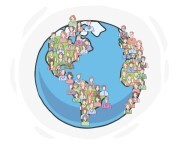
the statistical characteristics of a population, such as age, gender, and ethnicity
demografic, caracteristici demografice
Noua strategie de marketing vizează să vizeze un demografic mai tânăr.
the situation or condition that is currently at hand
status quo, starea actuală a lucrurilor
Comitetul a decis să mențină status quo-ul în loc să implementeze noi schimbări.
the process of developing and expanding industries within a region or country, involving the increased production of goods through the use of advanced machinery, technology, and organized labor
industrializare, dezvoltare industrială
Revoluția Industrială a marcat o perioadă de profundă industrializare, introducând metode de producție mecanizate.

displaying violent acts for the sake of a social or political aim
militant, combativ
Activiștii militanți s-au ciocnit cu poliția în timpul demonstrației, rezultând mai multe arestări.
the behavior or attitude that does not follow established norms, conventions, or expectations within a society or group
neconformitate
Nenconformarea lui față de rolurile tradiționale de gen l-a făcut un pionier în promovarea egalității de gen.

favoring new ideas, methods, and change rather than traditional ones
progresist, inovator
the process of learning the values, behavior, and norms expected within a society or group
socializare
a society that has developed its own culture and institutions in a particular period of time or place
civilizație, societate
Egiptul antic este considerat una dintre cele mai mari civilizații din istorie.
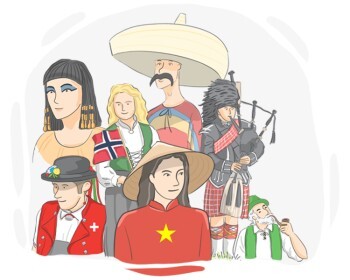
the state of belonging to a certain ethnic group
etnie
Formularul de recensământ le-a cerut respondenților să indice etnia lor.
any of the basic freedoms or rights that protect individuals from unfair treatment and ensure equality under the law, regardless of race, gender, religion, disability, or other characteristics
drept civil, libertate fundamentală
Dreptul la viață privată este considerat un drept civil în multe țări.
referring to factors or conditions that involve both social and economic aspects
socioeconomic, social-economic
Studiul a examinat disparitățile socioeconomice în accesul la îngrijirea medicală.
the process of people moving from rural areas to urban areas, resulting in the growth of cities and the expansion of urban areas
urbanizare, dezvoltare urbană
Urbanizarea rapidă a schimbat multe orașe mici.

characteristic of or relating to a residential area outside a city or town
suburban, de periferie

to treat a person, group, or concept as insignificant or of secondary or minor importance
marginaliza, exclude
Istoric, comunitățile indigene au fost marginalizate și lipsite de drepturile asupra terenurilor.
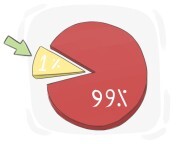
a small group of people who differ in race, religion, etc. and are often mistreated by the society
minoritate

people in the highest class of society who have a lot of power and wealth and usually high ranks and titles
aristocrație, nobilime
Evenimentul a fost frecventat de membri ai aristocrației în ținută elegantă.

kings and queens and any member of their families
familie regală, monarhi
Ceremonia a fost asistată de familia regală din mai multe țări, adăugând la măreția sa.

a large, important city that serves as a significant economic, political, or cultural center for a region or country
metropolă, oraș mare
the physical and organizational assets, such as roads, bridges, utilities, and public services, that support economic activity and daily life
infrastructură, infrastructuri
Guvernul a investit miliarde în reconstrucția infrastructurii îmbătrânite a națiunii.
referring to a vision of an ideal society, where everything is flawless or nearly perfect
utopic, idealist
Visul lor era să înființeze o comună utopică izolată, liberă de corupția lumii exterioare.
the deliberate and nonviolent refusal to obey certain laws, demands, or commands of a government or authority, typically as a form of protest
nesupunere civică, rezistență pasivă
Mahatma Gandhi a folosit nesupunerea civică ca strategie pentru a contesta dominația colonială britanică în India.

to unfairly treat a person or group of people based on their sex, race, etc.
discrimina
Compania a fost acuzată că discriminează femeile în practicile sale de angajare.

to help someone to restore to a healthy and independent state after a period of imprisonment, addiction, illness, etc.
reabilita, restabili
Programul a avut ca scop reabilitarea persoanelor cu probleme de abuz de substanțe, oferind sprijin pentru o viață fără droguri.
a person who has been rejected or excluded from a social group or society, often due to their behavior, beliefs, or social status
paria, exclus
După scandal, s-a simțit ca un paria printre foștii ei prieteni.
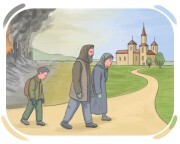
a person forced to leave their country or home to escape war, persecution, or serious danger
refugiat, refugiată
relating to the original inhabitants of a particular region or country, who have distinct cultural, social, and historical ties to that land
indigen, autohton
Guvernul a implementat politici pentru a proteja drepturile și tradițiile popoarelor indigene care trăiesc în zone îndepărtate.

relating to a social system where men hold primary power and authority over women and families
patriarhal, părintesc
Societatea patriarhală a limitat oportunitățile femeilor de a participa la luarea deciziilor.
having a low social rank or position, often characterized by modesty
umil, modest
Ea nu și-a uitat niciodată originile umile, nici după ce a obținut un mare succes în carieră.
to integrate into a new environment, often by adopting its language, norms, values, and practices
asimila, integra
Compania a încurajat noii angajați să se asimileze rapid în cultura sa corporativă prin participarea la programe de orientare.
a local administrative unit in certain countries, functioning as the smallest division of government
comună
Primarul comunei a ținut o ședință în sala consiliului pentru a discuta noile planuri de transport public.

the outer areas or parts of a city or town
periferie, marginea orașului
Multe familii aleg să trăiască în periferiile orașului pentru a se bucura de un stil de viață mai liniștit, având în continuare acces la facilitățile urbane.
an area with a church of its own that is under the care of a priest
parohie, enorie
including a wide range of people with different nationalities and cultures
cosmopolit
Atmosfera cosmopolită a orașului l-a făcut un creuzet al culturilor diverse.
showing concern for the well-being of people and acting to improve human welfare
umanitar, filantropic
Ea este cunoscută pentru munca sa umanitară în zonele de dezastru.
marked by discrimination against or prejudice toward individuals or groups based on their social class
clasist, discriminatoriu pe criterii de clasă socială
Practicile de angajare ale companiei au fost criticate drept clasiste pentru că au favorizat candidații din universități de elită.
a system that divides the people of a society into different social classes based on their wealth, privilage, or profession
castă, sistem de caste
Sistemul de caste din India a împărțit istoric societatea în grupuri ierarhice bazate pe naștere, ocupație și statut social.
a level or rank in an organization, profession, or society, indicating a person's status or authority within that hierarchy
nivel, rang
Promovarea lui l-a mutat în eșalonul superior al cercetătorilor academici din domeniul său.
a person's social rank or position within a structured hierarchy or society
rang, poziție socială

a draining and stressful lifestyle that consists of constantly competing with others for success, wealth, power, etc. and so leaving no room for rest and pleasure
goana după succes, competiție fără pauză
A renunțat la goana după succes și s-a mutat într-un orășel la mare.
