
Необхідний Словниковий Запас для TOEFL - Мова та Граматика
Тут ви вивчите деякі англійські слова про мову та граматику, такі як "скорочення", "голос", "склад" тощо, які потрібні для іспиту TOEFL.
Огляд
Картки
Правопис
Вікторина


the shortened form of a word, etc.

скорочення
Підручник надав ключ для всіх скорочень, використаних у розділах.

a short form of a word or a group of words used instead of the full form
скорочення, скорочена форма
При неформальному написанні скорочення роблять мову більш розслабленою.

the spoken form of a language specific to a certain region or people which is slightly different from the standard form in words and grammar
діалект, говір
Регіональні діалекти в англійській мові, такі як британська англійська, американська англійська та австралійська англійська, відрізняються вимовою, словниковим запасом і навіть граматичними правилами.
a distinctive way of pronouncing a language associated with a particular region, country, or social group
акцент, вимова

the symbol ' used in writing to show possession or omission of letters or numbers
апостроф, символ апострофа
Використовуйте апостроф для позначення приналежності, як у "книга Джессіки".
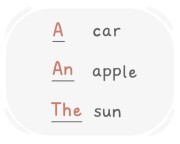
(grammar) any type of determiner that shows whether we are referring to a particular thing or a general example of something
артикль
(grammar) the situation where words in a phrase have the same gender, person, or number
узгодження, угода
(grammar) the form of a word that indicates whether one, two, or more things or people are being referred to
число, граматичне число
a word or part of a word, which contains a vowel sound and usually one or more consonants
склад, звук
Вона розбила слово «фантастичний» на склади, щоб допомогти собі правильно його написати.

(phonetics) a speech sound produced without interfering with the flow of air coming through the mouth or nose
голосний звук
Слово 'кіт' містить одну голосну, тоді як 'слон' має три голосні.

(phonetics) a speech sound produced by interfering with or stopping the flow of air through the mouth or nose
приголосна буква
Вона боролася зі змішуванням приголосних на початку слів під час уроків читання.
(grammar) the form of a verb that indicates whether the subject does something or something is done to it
стан, дієслівний стан
a verb that supports or helps another verb to form different tenses, moods, or voices
допоміжне дієслово
У реченні «Вона не любить кави» "does" використовується як допоміжне дієслово для утворення заперечної форми.
a word, phrase, or clause that completes the meaning or grammatical structure of an expression
додаток, комплемент
formed from two or more words or meaningful word elements
складний, складене

a word or expression that connects words, phrases, or clauses
сполучник
(grammar) formed with or connected to a preposition
прийменниковий, пов'язаний з прийменником
(grammar) a word coming before a noun or noun phrase to specify its denotation
визначник, артикль
the quality of being able to speak or write very well and easily in a foreign language
вільне володіння, плинність
Вільне володіння англійською мовою є обов'язковим для багатьох міжнародних посад.
(grammar) a form of a verb that functions as a noun and is formed by adding the suffix -ing to the base form of the verb
герундій, дієприкметник
Приклади герундія включають "плавання", "читання" та "писання".

a particular combination of words that are used together very often
сполучення слів
Вона вивчала колокації, щоб покращити свою плавність і звучати більш як носій мови.
a group of words or a phrase that has a meaning different from the literal interpretation of its individual words, often specific to a particular language or culture
ідіома, ідіоматичний вираз
Коли хтось каже 'льє як з відра,' він використовує ідіому, щоб описати дуже сильний дощ, а не справжній злив тварин.
words or expressions that are very informal and more common in spoken form, used especially by a particular group of people, such as criminals, children, etc.
жаргон, сленг
У 1920-х роках 'the bee's knees' був популярним сленгом для чогось видатного або надзвичайного.
a well-known statement or phrase that expresses a general truth or gives advice
прислів'я, поговірка
Прислів'я 'Краще один раз побачити, ніж сто разів почути' радить, що раннє вирішення проблем може запобігти їх переростанню у більші.
(of grammar) asserting a command or order
наказовий, імперативний
Наказовий спосіб дієслова використовується для надання прямих наказів.
(grammar) a phrase or word used suddenly to express a particular emotion
вигук, оклик
Вона використала слово вигук у своєму англійському есе, щоб продемонструвати своє розуміння граматики.

(phonetics) the rising and falling of the voice when speaking
інтонація
(grammar) describing a verb that needs a direct object
перехідний, транзитивний
(grammar) describing a verb that does not take a direct object
неперехідний, інтранзитивний

related to the science of language, including its structure, usage, and evolution
лінгвістичний, мовний
Лінгвістичне різноманіття мов світу є темою інтересу для лінгвістів, які вивчають типологію мов.

a figure of speech in which a word or expression is used to describe something by implying a comparison with something else
метафора

(grammar) describing a verb form or aspect that presents an action or situation as continuing
прогресивний

the use of marks such as a period, comma, etc. in writing to divide sentences and phrases to better convey meaning
пунктуація
Пунктуація є необхідною для того, щоб ваше письмо було зрозумілим і легким для сприйняття.

a sentence from a speech, book, etc. that is repeated somewhere else because it is wise or interesting
цитата, витяг

a grammatical construction in which two negative elements are used within the same sentence, often resulting in a positive meaning
подвійний негатив
Фраза "Я нічого про це не знаю" використовує подвійне заперечення, що насправді означає "Я щось про це знаю."
