
Mahalagang Bokabularyo para sa TOEFL - Wika at Balarila
Dito matututo ka ng ilang mga salitang Ingles tungkol sa wika at gramatika, tulad ng "contraction", "voice", "syllable", atbp. na kailangan para sa pagsusulit na TOEFL.
Repasuhin
Flashcards
Pagbaybay
Pagsusulit

the shortened form of a word, etc.

pagpapaikli, daglat
Ang aklat-aralin ay nagbigay ng isang susi para sa lahat ng pagdadaglat na ginamit sa buong mga kabanata.

a short form of a word or a group of words used instead of the full form
pag-ikli, pinaikling anyo
Sa pang-araw-araw na pagsasalita, ang mga pag-urong tulad ng "huwag" at "hindi" ay madalas gamitin.

the spoken form of a language specific to a certain region or people which is slightly different from the standard form in words and grammar
diyalekto, wikain
Ang isang diyalekto ay isang uri ng wika na sinasalita ng isang partikular na grupo ng mga tao, na nailalarawan sa pamamagitan ng natatanging bokabularyo, gramatika, at pagbigkas.
a distinctive way of pronouncing a language associated with a particular region, country, or social group
aksent, punto

the symbol ' used in writing to show possession or omission of letters or numbers
apostrophe, simbolo ng apostrophe
Ang apostrophe sa "can't" ay nagpapahiwatig ng pag-alis ng letrang "o".

(grammar) any type of determiner that shows whether we are referring to a particular thing or a general example of something
pantukoy
(grammar) the situation where words in a phrase have the same gender, person, or number
kasunduan, pagkakasundo
(grammar) the form of a word that indicates whether one, two, or more things or people are being referred to
bilang, bilang panggramatika
a word or part of a word, which contains a vowel sound and usually one or more consonants
pantig, tunog
Ang salitang "mansanas" ay may dalawang pantig.

(phonetics) a speech sound produced without interfering with the flow of air coming through the mouth or nose
patinig, tunog patinig
Nagsanay siya sa pagbigkas ng bawat patinig nang malinaw upang mapabuti ang kanyang punto.

(phonetics) a speech sound produced by interfering with or stopping the flow of air through the mouth or nose
katinig, tunog katinig
Nahirapan siya sa paghahalo ng mga katinig sa simula ng mga salita sa kanyang mga aralin sa pagbasa.
(grammar) the form of a verb that indicates whether the subject does something or something is done to it
tinig, tinig ng pandiwa
a verb that supports or helps another verb to form different tenses, moods, or voices
pandiwang pantulong
Sa pangungusap na "Tumatakbo siya," ang pandiwa na "is" ay gumaganap bilang isang pantulong upang mabuo ang present continuous tense.
a word, phrase, or clause that completes the meaning or grammatical structure of an expression
komplemento, pantulong
formed from two or more words or meaningful word elements
tambalan, kompuwesto

a word or expression that connects words, phrases, or clauses
pangatnig
(grammar) formed with or connected to a preposition
pang-ukol, kaugnay ng pang-ukol
(grammar) a word coming before a noun or noun phrase to specify its denotation
pantukoy, artikulo
the quality of being able to speak or write very well and easily in a foreign language
kasanayan, katatasan
Nakamit niya ang kasanayan sa Espanyol pagkatapos manirahan sa Mexico sa loob ng dalawang taon.
(grammar) a form of a verb that functions as a noun and is formed by adding the suffix -ing to the base form of the verb
pangngalang pandiwa, anyo ng pandiwa na gumaganap bilang pangngalan
Ang gerund ay isang anyo ng pandiwa na gumaganap bilang pangngalan, na nagtatapos sa "-ing".

a particular combination of words that are used together very often
kolokasyon, kombinasyon ng mga salita
Sa pag-aaral ng wika, ang pag-unawa sa kolokasyon ay tumutulong sa paggamit ng mga salita sa kanilang pinaka-natural at karaniwang mga kombinasyon.
a group of words or a phrase that has a meaning different from the literal interpretation of its individual words, often specific to a particular language or culture
kawikaan, idyomatikong pahayag
Ang idiyoma na 'kick the bucket' ay nangangahulugang mamatay, at ang kahulugan nito ay medyo naiiba sa literal na interpretasyon ng pag-sipa sa isang balde.
words or expressions that are very informal and more common in spoken form, used especially by a particular group of people, such as criminals, children, etc.
balbal, salitang kalye
Madalas gumamit ang mga tinedyer ng balbal tulad ng 'lit' upang ilarawan ang isang bagay na nakakasabik o mahusay, na maaaring hindi madaling maunawaan ng mga mas matatandang henerasyon.
a well-known statement or phrase that expresses a general truth or gives advice
salawikain, kasabihan
Isang kilalang salawikain ang nagsasabing, 'Ang mga gawa ay mas malakas kaysa sa mga salita,' na nagbibigay-diin sa kahalagahan ng mga gawa kaysa sa mga pangako.
(of grammar) asserting a command or order
imperatibo, utos
"Umupo" ay isang halimbawa ng pautos na pangungusap.
(grammar) a phrase or word used suddenly to express a particular emotion
interjeksyon, pabulalas
Ipinaliwanag ng guro ang konsepto ng interjection sa klase ng gramatika.

(phonetics) the rising and falling of the voice when speaking
intonasyon
(grammar) describing a verb that does not take a direct object
intransitibo, di-tumatanggap ng tuwirang layon
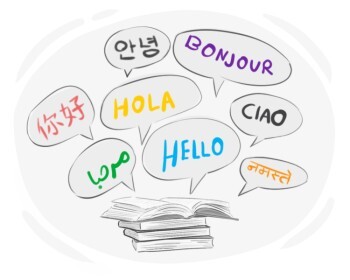
related to the science of language, including its structure, usage, and evolution
lingguwistiko, pangwika
Ang pananaliksik pangwika ay nagtutuon sa mga kumplikado ng pagkatuto ng wika, sintaks, at ponetika.
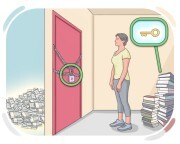
a figure of speech in which a word or expression is used to describe something by implying a comparison with something else
metapora, pagwawangis

(grammar) describing a verb form or aspect that presents an action or situation as continuing
progresibo, nagpapatuloy

the use of marks such as a period, comma, etc. in writing to divide sentences and phrases to better convey meaning
bantas
Muling sinuri niya nang maingat ang kanyang sanaysay upang matiyak na ang lahat ng bantas ay ginamit nang tama.
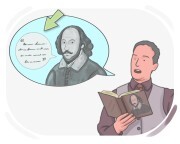
a sentence from a speech, book, etc. that is repeated somewhere else because it is wise or interesting
sipi, pagsipi

a grammatical construction in which two negative elements are used within the same sentence, often resulting in a positive meaning
dobleng negatibo, negatibong doble
Sa karaniwang balarila, ang isang dobleng negatibo ay maaaring lumikha ng pagkalito, dahil madalas itong nagreresulta sa positibong kahulugan.
