
Kosakata Penting untuk TOEFL - Bahasa dan Tata Bahasa
Di sini Anda akan mempelajari beberapa kata dalam bahasa Inggris tentang bahasa dan tata bahasa, seperti "contraction", "voice", "syllable", dll. yang dibutuhkan untuk ujian TOEFL.
Tinjauan
Kartu flash
Ejaan
Kuis


the shortened form of a word, etc.

singkatan, kependekan
Singkatan 'CEO' adalah singkatan dari Chief Executive Officer.

a short form of a word or a group of words used instead of the full form
kontraksi, bentuk pendek
Kontraksi "we've" berarti "we have".

the spoken form of a language specific to a certain region or people which is slightly different from the standard form in words and grammar
dialek, logat
Dialek sosial, seperti sosiolek dan etnolek, dapat dipengaruhi oleh faktor-faktor seperti kelas sosial, etnis, atau tingkat pendidikan.
a manner of speaking that indicates social class, nationality, or locality of the speaker
aksen

the symbol ' used in writing to show possession or omission of letters or numbers
tanda petik tunggal, simbol apostrof
Apostrof dalam "it's" membedakannya dari "its," yang bersifat posesif.

(grammar) any type of determiner that shows whether we are referring to a particular thing or a general example of something
artikel
Guru menjelaskan bahwa 'the' adalah artikel pasti yang digunakan untuk merujuk pada item tertentu.
(grammar) the situation where words in a phrase have the same gender, person, or number
kesepakatan, persetujuan
(grammar) the form of a word that indicates whether one, two, or more things or people are being referred to
jumlah, jumlah gramatikal
Jumlah siswa di dalam kelas menentukan apakah guru menggunakan kata ganti tunggal atau jamak ketika berbicara kepada mereka.
a word or part of a word, which contains a vowel sound and usually one or more consonants
suku kata, bunyi
Setiap suku kata dalam puisi harus sesuai dengan irama.

(phonetics) a speech sound produced without interfering with the flow of air coming through the mouth or nose
vokal, bunyi vokal
Perubahan vokal dalam berbagai bahasa dapat secara signifikan mempengaruhi pengucapan dan makna.

(phonetics) a speech sound produced by interfering with or stopping the flow of air through the mouth or nose
konsonan, bunyi konsonan
Guru menjelaskan bahwa konsonan adalah bunyi ujaran yang dihasilkan dengan menghalangi aliran udara di saluran vokal.
(grammar) the form of a verb that indicates whether the subject does something or something is done to it
suara, suara kata kerja
Guru memerintahkan siswa untuk menulis ulang esai mereka dalam suara aktif agar tulisan mereka lebih langsung dan menarik.
a verb that supports or helps another verb to form different tenses, moods, or voices
kata kerja bantu
Dalam kalimat «Mereka telah menyelesaikan pekerjaan rumah mereka», kata kerja «telah» berfungsi sebagai bantu.
a word or phrase that completes the meaning of a grammatical expression
pelengkap, pelengkap gramatikal
Para ahli tata bahasa membedakan antara pelengkap subjek dan pelengkap objek.
(of a word) formed by combining two or more separate words
majemuk, kompleks
Kata majemuk dapat ditulis dengan atau tanpa tanda hubung, seperti "sekolah menengah" atau "kesejahteraan".

(grammar) a word such as and, because, but, and or that connects phrases, sentences, or words
konjungsi, kata penghubung
Dalam kalimat majemuk, konjungsi sangat penting untuk menghubungkan ide dan menciptakan koherensi.
(grammar) formed with or connected to a preposition
preposisional, berkaitan dengan preposisi
(grammar) a word coming before a noun or noun phrase to specify its denotation
determiner, artikel
the quality of being able to speak or write very well and easily in a foreign language
kelancaran, kemahiran
Dia berlatih setiap hari untuk meningkatkan kelancaran bahasa Prancisnya.
(grammar) a form of a verb that functions as a noun and is formed by adding the suffix -ing to the base form of the verb
gerund, bentuk kata kerja yang berfungsi sebagai kata benda
Gerund dapat berfungsi sebagai subjek, objek, atau pelengkap dalam kalimat.

a particular combination of words that are used together very often
kolokasi, kombinasi kata
Dia menemukan bahwa mempelajari kolokasi lebih efektif daripada menghafal kata-kata kosakata individual.
a group of words or a phrase that has a meaning different from the literal interpretation of its individual words, often specific to a particular language or culture
idiom, ungkapan idiomatik
Frasa 'spill the beans' adalah sebuah idiom yang berarti mengungkapkan rahasia, bukan secara harfiah menjatuhkan kacang.
words or expressions that are very informal and more common in spoken form, used especially by a particular group of people, such as criminals, children, etc.
slang, bahasa gaul
Slang Internet seperti 'LOL' (tertawa terbahak-bahak) dan 'BRB' (segera kembali) telah menjadi sangat dikenal dan digunakan dalam komunikasi online.
a well-known statement or phrase that expresses a general truth or gives advice
peribahasa, pepatah
Salah satu pepatah umum dalam bahasa Inggris adalah 'Jangan menghitung ayam sebelum menetas,' yang berarti Anda tidak boleh berasumsi berhasil sampai itu benar-benar terjadi.
(of grammar) asserting a command or order
imperatif, perintah
Dalam kalimat "Tolong operkan garam," "operkan" berada dalam mood imperatif.
(grammar) a phrase or word used suddenly to express a particular emotion
interjeksi, kata seru
Ahli bahasa membahas berbagai fungsi interjeksi dalam bahasa.
(phonetics) the rising and falling of the voice when speaking
intonasi
Dalam beberapa bahasa, intonasi dapat mengubah arti sebuah kata atau frasa, seperti dalam bahasa Mandarin, di mana pola intonasi yang berbeda membedakan antara kata-kata dengan suara fonetik yang sama.
(grammar) describing a verb that needs a direct object
transitif, kata kerja transitif
(grammar) describing a verb that does not take a direct object
intransitif, taktransitif
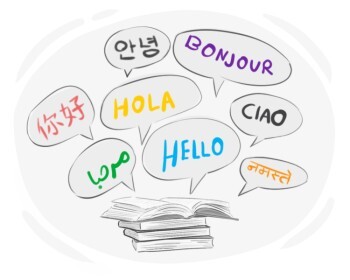
related to the science of language, including its structure, usage, and evolution
linguistik, kebahasaan
Studi ini menguji pola linguistik dalam dialek regional.

a figure of speech that compares two unrelated things to highlight their similarities and convey a deeper meaning
metafora, gaya bahasa
Gaya tulisannya sangat bergantung pada metafora yang hidup dan citra.

(grammar) describing a form of a verb that indicates an action is continuing
progresif
Guru menjelaskan bahwa bentuk progresif digunakan untuk menggambarkan tindakan yang sedang berlangsung.

the use of marks such as a period, comma, etc. in writing to divide sentences and phrases to better convey meaning
tanda baca
Guru menekankan pentingnya tanda baca dalam menyampaikan makna yang dimaksud dari sebuah kalimat.
a sentence from a speech, book, etc. that is repeated somewhere else because it is wise or interesting
kutipan, petikan
Kutipan terkenal dari Martin Luther King Jr., "Saya memiliki mimpi," terus bergema dengan orang-orang di seluruh dunia.

a grammatical construction in which two negative elements are used within the same sentence, often resulting in a positive meaning
negatif ganda, ganda negatif
Kalimat "Kami belum melihat siapa pun" menggunakan negatif ganda, yang menyiratkan bahwa mereka telah melihat seseorang.
