
واژگان ضروری برای TOEFL - زبان و دستور زبان
در اینجا شما برخی از کلمات انگلیسی درباره زبان و گرامر، مانند "contraction"، "voice"، "syllable" و غیره را یاد خواهید گرفت که برای آزمون TOEFL مورد نیاز است.
مرور
فلشکارتها
املای کلمه
آزمون

the shortened form of a word, etc.

مخفف
هنگام نوشتن گزارش، مطمئن شوید که هر مخفف را اولین بار که از آن استفاده میکنید تعریف کنید.

a short form of a word or a group of words used instead of the full form
اختصار (دستور زبان)
وقتی غیررسمی مینویسیم، مخففها زبان را آرامتر میکنند.

the spoken form of a language specific to a certain region or people which is slightly different from the standard form in words and grammar
گویش
لهجههای منطقهای در انگلیسی، مانند انگلیسی بریتانیایی، انگلیسی آمریکایی و انگلیسی استرالیایی، در تلفظ، واژگان و حتی قواعد دستوری متفاوت هستند.
a distinctive way of pronouncing a language associated with a particular region, country, or social group
لهجه, طرز تلفظ
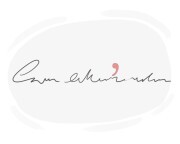
the symbol ' used in writing to show possession or omission of letters or numbers
علامت آپوستروف
از آپاستروف برای نشان دادن مالکیت استفاده کنید، مانند "کتاب جسیکا".
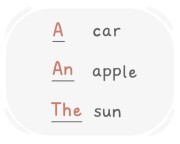
(grammar) any type of determiner that shows whether we are referring to a particular thing or a general example of something
حرف تعریف
(grammar) the situation where words in a phrase have the same gender, person, or number
تطابق (دستورزبان)
(grammar) the form of a word that indicates whether one, two, or more things or people are being referred to
شمار (دستورزبان)
a word or part of a word, which contains a vowel sound and usually one or more consonants
هجا, بخش، سیلاب
او کلمه "فوقالعاده" را به هجاها تقسیم کرد تا به او در درست نوشتن آن کمک کند.

(phonetics) a speech sound produced without interfering with the flow of air coming through the mouth or nose
واکه (آواشناسی), مصوت، حرف صدادار
کلمه 'گربه' حاوی یک واکه است، در حالی که 'فیل' سه واکه دارد.

(phonetics) a speech sound produced by interfering with or stopping the flow of air through the mouth or nose
همخوان (آواشناسی), صامت، حرف بیصدا
شعر ریتم دلپذیری داشت به دلیل صداهای صامت تکراری.
(grammar) the form of a verb that indicates whether the subject does something or something is done to it
جهت فعل (دستورزبان)
a verb that supports or helps another verb to form different tenses, moods, or voices
فعل کمکی
جمله "او قهوه دوست ندارد" از "does" به عنوان فعل کمکی برای تشکیل منفی استفاده میکند.
a word, phrase, or clause that completes the meaning or grammatical structure of an expression
متمم, مکمل دستوری
formed from two or more words or meaningful word elements
مرکب, ترکیبی

a word or expression that connects words, phrases, or clauses
حرف ربط, واژهٔ پیوندی
(grammar) a word coming before a noun or noun phrase to specify its denotation
تخصیصگر
the quality of being able to speak or write very well and easily in a foreign language
فصاحت, سلاست، تسلط
تسلط به زبان انگلیسی برای بسیاری از موقعیتهای شغلی بینالمللی مورد نیاز است.
(grammar) a form of a verb that functions as a noun and is formed by adding the suffix -ing to the base form of the verb
اسم مصدر
نمونههایی از مصدر فعلی شامل "شنا کردن"، "خواندن" و "نوشتن" میشود.

a particular combination of words that are used together very often
همایند, همنشینی (واژگانی)
او همنشینی واژگان را مطالعه کرد تا روانی خود را بهبود بخشد و بیشتر شبیه یک گویشور بومی به نظر برسد.
a group of words or a phrase that has a meaning different from the literal interpretation of its individual words, often specific to a particular language or culture
اصطلاح
وقتی کسی میگوید 'از آسمان سگ و گربه میبارد،' از یک اصطلاح برای توصیف باران بسیار شدید استفاده میکند، نه یک بارش واقعی از حیوانات.
words or expressions that are very informal and more common in spoken form, used especially by a particular group of people, such as criminals, children, etc.
زبان عامیانه
در دهه 1920، 'the bee's knees' یک عامیانه محبوب برای چیزی برجسته یا فوق العاده بود.
a well-known statement or phrase that expresses a general truth or gives advice
ضربالمثل
ضربالمثل 'یک دوخت به موقع نه را نجات میدهد' توصیه میکند که رسیدگی زودهنگام به مشکلات میتواند از تبدیل شدن آنها به مسائل بزرگتر جلوگیری کند.
(of grammar) asserting a command or order
امری (دستورزبان)
شکل امری فعل برای دادن دستورات مستقیم استفاده میشود.
(grammar) a phrase or word used suddenly to express a particular emotion
حرف ندا (دستورزبان)
او از کلمه حرف ندا در مقاله انگلیسی خود استفاده کرد تا درک خود از دستور زبان را نشان دهد.
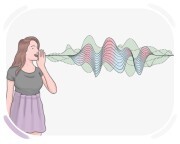
(phonetics) the rising and falling of the voice when speaking
آهنگ (زبانشناسی), تکیه صدا

related to the science of language, including its structure, usage, and evolution
زبانشناختی
تنوع زبانی زبانهای جهان موضوعی مورد علاقه برای زبانشناسانی است که به مطالعه گونهشناسی زبان میپردازند.

a figure of speech in which a word or expression is used to describe something by implying a comparison with something else
استعاره, تعبیر استعاری

(grammar) describing a verb form or aspect that presents an action or situation as continuing
استمراری, مربوط به نمود استمراری

the use of marks such as a period, comma, etc. in writing to divide sentences and phrases to better convey meaning
نشانهگذاری
نقطهگذاری برای واضح و قابل فهم کردن نوشته شما ضروری است.
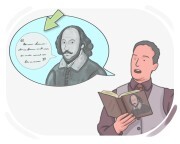
a sentence from a speech, book, etc. that is repeated somewhere else because it is wise or interesting
نقلقول

a grammatical construction in which two negative elements are used within the same sentence, often resulting in a positive meaning
نفی مضاعف
عبارت "من هیچ چیز در مورد آن نمیدانم" از یک منفی مضاعف استفاده میکند که در واقع به معنای "من چیزی در مورد آن میدانم" است.
