pattern

Essentiële Woordenschat voor de TOEFL - Taal en Grammatica

Hier leer je enkele Engelse woorden over taal en grammatica, zoals "contractie", "stem", "lettergreep", enz. die nodig zijn voor het TOEFL-examen.

Herzien

Flashcards

Spelling

Quiz

Begin met leren
Essential Words Needed for TOEFL
abbreviation
abbreviation
[zelfstandig naamwoord]

the shortened form of a word, etc.

afkorting, verkorting

afkorting, verkorting

Ex: The textbook provided a key for all the abbreviations used throughout the chapters. 

Het leerboek bood een sleutel voor alle afkortingen die in de hoofdstukken worden gebruikt.

Sluiten
Inloggen
contraction
contraction
[zelfstandig naamwoord]

a short form of a word or a group of words used instead of the full form

samentrekking, verkorte vorm

samentrekking, verkorte vorm

Ex: The contraction "we've" stands for "we have." 

De contractie "we've" staat voor "we have".

Sluiten
Inloggen
dialect
dialect
[zelfstandig naamwoord]

the spoken form of a language specific to a certain region or people which is slightly different from the standard form in words and grammar

dialect, streektaal

dialect, streektaal

Ex: Social dialects, such as sociolects and ethnolects, can be influenced by factors such as social class, ethnicity, or education level. 

Sociale dialecten, zoals sociolecten en etnolecten, kunnen worden beïnvloed door factoren zoals sociale klasse, etniciteit of opleidingsniveau.

Sluiten
Inloggen
accent
accent
[zelfstandig naamwoord]

a distinctive way of pronouncing a language associated with a particular region, country, or social group

accent,  tongval

accent, tongval

Ex: His accent became less noticeable after years of living in Chicago. 
Sluiten
Inloggen
apostrophe
apostrophe
[zelfstandig naamwoord]

the symbol ' used in writing to show possession or omission of letters or numbers

apostrof, apostrof symbool

apostrof, apostrof symbool

Ex: The apostrophe in "it's" distinguishes it from "its," which is possessive. 

De apostrof in "it's" onderscheidt het van "its", dat bezittelijk is.
Sluiten
Inloggen
article
article
[zelfstandig naamwoord]

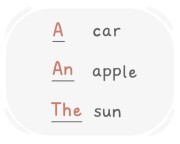
(grammar) any type of determiner that shows whether we are referring to a particular thing or a general example of something

lidwoord

lidwoord

Ex: Articles in English can be tricky for non-native speakers because their use varies depending on whether a noun is specific or general. 
Sluiten
Inloggen
agreement
agreement
[zelfstandig naamwoord]

(grammar) the situation where words in a phrase have the same gender, person, or number

overeenkomst, akkoord

overeenkomst, akkoord

Ex: Some languages require agreement between nouns and adjectives. 
Sluiten
Inloggen
number
number
[zelfstandig naamwoord]

(grammar) the form of a word that indicates whether one, two, or more things or people are being referred to

getal, grammaticaal getal

getal, grammaticaal getal

Ex: In languages like Spanish and French, nouns have gender as well as number, requiring agreement with adjectives and articles in both aspects. 
Sluiten
Inloggen
syllable
syllable
[zelfstandig naamwoord]

a word or part of a word, which contains a vowel sound and usually one or more consonants

lettergreep, klank

lettergreep, klank

Ex: Each syllable in the poem must match the rhythm. 

Elke lettergreep in het gedicht moet overeenkomen met het ritme.

Sluiten
Inloggen
vowel
vowel
[zelfstandig naamwoord]

‌(phonetics) a speech sound produced without interfering with the flow of air coming through the mouth or nose

klinker, klank

klinker, klank

Ex: Vowel changes in different languages can significantly affect pronunciation and meaning. 

Klinkerveranderingen in verschillende talen kunnen de uitspraak en betekenis aanzienlijk beïnvloeden.

Sluiten
Inloggen
consonant
consonant
[zelfstandig naamwoord]

‌(phonetics) a speech sound produced by interfering with or stopping the flow of air through the mouth or nose

medeklinker, consonant

medeklinker, consonant

Ex: She struggled with blending consonants at the beginning of words during her reading lessons. 

Ze had moeite met het mengen van medeklinkers aan het begin van woorden tijdens haar leeslessen.

Sluiten
Inloggen
voice
voice
[zelfstandig naamwoord]

(grammar) the form of a verb that indicates whether the subject does something or something is done to it

stem, werkwoordstem

stem, werkwoordstem

Ex: Understanding when to use active or passive voice is an important aspect of writing effectively and communicating ideas clearly in English grammar. 
Sluiten
Inloggen
auxiliary
auxiliary
[zelfstandig naamwoord]

a verb that supports or helps another verb to form different tenses, moods, or voices

hulpwerkwoord

hulpwerkwoord

Ex: In the sentence “They have finished their homework,” the verb “have” functions as an auxiliary. 

In de zin «Ze hebben hun huiswerk afgemaakt» fungeert het werkwoord «hebben» als een hulpwerkwoord.

Sluiten
Inloggen
complement
complement
[zelfstandig naamwoord]

a word, phrase, or clause that completes the meaning or grammatical structure of an expression

complement,  aanvulling

complement, aanvulling

Ex: Some verbs require a complement to complete their meaning. 
Sluiten
Inloggen
compound
compound
[bijvoeglijk naamwoord]

formed from two or more words or meaningful word elements

samengesteld, composiet

samengesteld, composiet

Ex: Some compound adjectives are written with a hyphen. 
Sluiten
Inloggen
conjunction
conjunction
[zelfstandig naamwoord]

a word or expression that connects words, phrases, or clauses

voegwoord,  conjunctie

voegwoord, conjunctie

Ex: "And" is one of the most common conjunctions in English. 
Sluiten
Inloggen
prepositional
prepositional
[bijvoeglijk naamwoord]

(grammar) formed with or connected to a preposition

voorzetsel-, gerelateerd aan een voorzetsel

voorzetsel-, gerelateerd aan een voorzetsel

Sluiten
Inloggen
determiner
determiner
[zelfstandig naamwoord]

(grammar) a word coming before a noun or noun phrase to specify its denotation

bepaler, lidwoord

bepaler, lidwoord

Sluiten
Inloggen
fluency
fluency
[zelfstandig naamwoord]

the quality of being able to speak or write very well and easily in a foreign language

vloeiendheid, beheersing

vloeiendheid, beheersing

Ex: He practiced daily to improve his fluency in French. 

Hij oefende dagelijks om zijn vloeiendheid in het Frans te verbeteren.

Sluiten
Inloggen
gerund
gerund
[zelfstandig naamwoord]

(grammar) a form of a verb that functions as a noun and is formed by adding the suffix -ing to the base form of the verb

gerundium, werkwoordsvorm die als zelfstandig naamwoord fungeert

gerundium, werkwoordsvorm die als zelfstandig naamwoord fungeert

Ex: Gerunds can serve as subjects, objects, or complements in a sentence. 

Gerundia kunnen dienen als onderwerpen, objecten of complementen in een zin.

Sluiten
Inloggen
collocation
collocation
[zelfstandig naamwoord]

a particular combination of words that are used together very often

collocatie, woordcombinatie

collocatie, woordcombinatie

Ex: He found that learning collocations was more effective than memorizing individual vocabulary words. 

Hij ontdekte dat het leren van collocaties effectiever was dan het uit het hoofd leren van individuele woordenschatwoorden.

Sluiten
Inloggen
idiom
idiom
[zelfstandig naamwoord]

a group of words or a phrase that has a meaning different from the literal interpretation of its individual words, often specific to a particular language or culture

idioom, idiomatische uitdrukking

idioom, idiomatische uitdrukking

Ex: The phrase 'spill the beans' is an idiom that means to reveal a secret, rather than literally causing beans to fall. 

De uitdrukking 'spill the beans' is een idioom dat betekent een geheim verklappen, in plaats van letterlijk bonen te morsen.

Sluiten
Inloggen
slang
slang
[zelfstandig naamwoord]

words or expressions that are very informal and more common in spoken form, used especially by a particular group of people, such as criminals, children, etc.

slang, straattaal

slang, straattaal

Ex: Internet slang such as 'LOL' (laugh out loud) and 'BRB' (be right back) has become widely recognized and used in online communication. 

Internet-slang zoals 'LOL' (hardop lachen) en 'BRB' (zo terug) is algemeen erkend en gebruikt in online communicatie.

Sluiten
Inloggen
proverb
proverb
[zelfstandig naamwoord]

a well-known statement or phrase that expresses a general truth or gives advice

spreekwoord, gezegde

spreekwoord, gezegde

Ex: One common proverb in English is 'Don't count your chickens before they hatch,' which means you shouldn't assume success until it actually happens. 

Een veelvoorkomend spreekwoord in het Engels is 'Tel je kippen niet voordat ze zijn uitgekomen', wat betekent dat je geen succes moet aannemen totdat het daadwerkelijk gebeurt.

Sluiten
Inloggen
imperative
imperative
[bijvoeglijk naamwoord]

(of grammar) asserting a command or order

imperatief, gebiedend

imperatief, gebiedend

Ex: In the sentence "Please pass the salt," "pass" is in the imperative mood. 

In de zin "Geef alsjeblieft het zout door" staat "geef" in de imperatieve vorm.

Sluiten
Inloggen
interjection
interjection
[zelfstandig naamwoord]

(grammar) a phrase or word used suddenly to express a particular emotion

tussenwerpsel, uitroep

tussenwerpsel, uitroep

Ex: The linguist discussed the various functions of interjection in language. 

De taalkundige besprak de verschillende functies van tussenwerpsel in taal.
Sluiten
Inloggen
intonation
intonation
[zelfstandig naamwoord]

(phonetics) the rising and falling of the voice when speaking

intonatie

intonatie

Ex: In some languages, intonation can change the meaning of a word or phrase, as in Mandarin Chinese, where different intonation patterns distinguish between words with the same phonetic sounds. 
Sluiten
Inloggen
transitive
transitive
[bijvoeglijk naamwoord]

(grammar) describing a verb that needs a direct object

overgankelijk, transitief

overgankelijk, transitief

Sluiten
Inloggen
intransitive
intransitive
[bijvoeglijk naamwoord]

(grammar) describing a verb that does not take a direct object

onovergankelijk, intransitief

onovergankelijk, intransitief

Sluiten
Inloggen
linguistic
linguistic
[bijvoeglijk naamwoord]

related to the science of language, including its structure, usage, and evolution

linguïstisch, taalkundig

linguïstisch, taalkundig

Ex: The study examined linguistic patterns in regional dialects. 

De studie onderzocht linguïstische patronen in regionale dialecten.

Sluiten
Inloggen
metaphor
metaphor
[zelfstandig naamwoord]

a figure of speech in which a word or expression is used to describe something by implying a comparison with something else

metafoor, beeldspraak

metafoor, beeldspraak

Ex: The author develops the metaphor throughout the novel. 
Sluiten
Inloggen
progressive
progressive
[bijvoeglijk naamwoord]

(grammar) describing a verb form or aspect that presents an action or situation as continuing

progressief, duratief

progressief, duratief

Ex: English commonly forms progressive constructions with "be" and a present participle. 
Sluiten
Inloggen
punctuation
punctuation
[zelfstandig naamwoord]

the use of marks such as a period, comma, etc. in writing to divide sentences and phrases to better convey meaning

interpunctie

interpunctie

Ex: The teacher emphasized the importance of punctuation in conveying the intended meaning of a sentence. 

De leraar benadrukte het belang van interpunctie bij het overbrengen van de beoogde betekenis van een zin.
Sluiten
Inloggen
quote
quote
[zelfstandig naamwoord]

a sentence from a speech, book, etc. that is repeated somewhere else because it is wise or interesting

citaat, fragment

citaat, fragment

Ex: "The only thing we have to fear is fear itself," remains one of Franklin D. Roosevelt's most memorable quotes from his inaugural address. 
Sluiten
Inloggen
double negative
double negative
[zelfstandig naamwoord]

a grammatical construction in which two negative elements are used within the same sentence, often resulting in a positive meaning

dubbele ontkenning, ontkenning dubbel

dubbele ontkenning, ontkenning dubbel

Ex: The sentence "We haven't seen no one" uses a double negative, implying that they have seen someone. 

De zin "We hebben niemand gezien" gebruikt een dubbele ontkenning, wat impliceert dat ze iemand hebben gezien.

Sluiten
Inloggen
LanGeek
LanGeek app downloaden