
TOEFL के लिए आवश्यक शब्दावली - भाषा और व्याकरण
यहां आप भाषा और व्याकरण के बारे में कुछ अंग्रेजी शब्द सीखेंगे, जैसे "contraction", "voice", "syllable", आदि, जो TOEFL परीक्षा के लिए आवश्यक हैं।
समीक्षा करें
फ्लैशकार्ड्स
वर्तनी
प्रश्नोत्तरी


the shortened form of a word, etc.

संक्षिप्ति, लघु रूप
'CEO' संक्षिप्त रूप Chief Executive Officer के लिए खड़ा है।

a short form of a word or a group of words used instead of the full form
संकुचन, संक्षिप्त रूप
आकस्मिक भाषण में, संक्षेपण जैसे "नहीं" और "नहीं किया" अक्सर उपयोग किए जाते हैं।
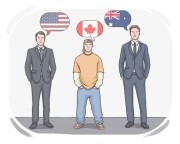
the spoken form of a language specific to a certain region or people which is slightly different from the standard form in words and grammar
बोली, उपभाषा
अफ्रीकी अमेरिकी वर्नाक्युलर अंग्रेजी (AAVE) एक बोली है जो मुख्य रूप से संयुक्त राज्य अमेरिका में अफ्रीकी अमेरिकी समुदायों द्वारा बोली जाती है, जो विशिष्ट व्याकरण, शब्दावली और स्वराघात पैटर्न द्वारा चित्रित होती है।
a distinctive way of pronouncing a language associated with a particular region, country, or social group
उच्चारण, लहज़ा

the symbol ' used in writing to show possession or omission of letters or numbers
एपोस्ट्रॉफी, एपोस्ट्रॉफी का प्रतीक
"क्लास ऑफ '99" शब्द "19" के लोप को दर्शाने के लिए एक अपोस्ट्रॉफी का उपयोग करता है।
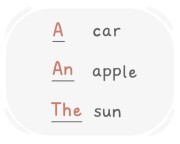
(grammar) any type of determiner that shows whether we are referring to a particular thing or a general example of something
उपपद
(grammar) the situation where words in a phrase have the same gender, person, or number
सहमति, समझौता
(grammar) the form of a word that indicates whether one, two, or more things or people are being referred to
संख्या, व्याकरणिक संख्या
a word or part of a word, which contains a vowel sound and usually one or more consonants
अक्षर, ध्वनि
शिक्षक ने छात्रों से कविता की प्रत्येक पंक्ति में अक्षरों को गिनने के लिए कहा।

(phonetics) a speech sound produced without interfering with the flow of air coming through the mouth or nose
स्वर, स्वर ध्वनि
उसे अपने ध्वनि विज्ञान पाठ के लिए स्वर ध्वनियों को याद करना पड़ा।

(phonetics) a speech sound produced by interfering with or stopping the flow of air through the mouth or nose
व्यंजन, व्यंजन ध्वनि
शिक्षक ने समझाया कि व्यंजन वे वाक् ध्वनियाँ हैं जो स्वर तंत्र में वायु प्रवाह को अवरुद्ध करके बनाई जाती हैं।
(grammar) the form of a verb that indicates whether the subject does something or something is done to it
वाच्य, क्रिया का वाच्य
a verb that supports or helps another verb to form different tenses, moods, or voices
सहायक क्रिया
भूतकाल में प्रश्न बनाने के लिए, "did" का उपयोग सहायक क्रिया के रूप में किया जाता है, जैसे "Did you see that movie?"
a word, phrase, or clause that completes the meaning or grammatical structure of an expression
पूरक, अनुपूरक
formed from two or more words or meaningful word elements
संयुक्त, मिश्रित

a word or expression that connects words, phrases, or clauses
संयोजक, योजक
(grammar) formed with or connected to a preposition
पूर्वसर्गीय, पूर्वसर्ग से संबंधित
(grammar) a word coming before a noun or noun phrase to specify its denotation
निर्धारक, उपपद
the quality of being able to speak or write very well and easily in a foreign language
धाराप्रवाहिता, प्रवीणता
एप्लिकेशन इंटरैक्टिव अभ्यास के माध्यम से धाराप्रवाहता बनाने के लिए डिज़ाइन किया गया है।
(grammar) a form of a verb that functions as a noun and is formed by adding the suffix -ing to the base form of the verb
क्रियावाचक संज्ञा, क्रियारूप संज्ञा
वाक्य "दौड़ना मेरा पसंदीदा शौक है," में "दौड़ना" विषय के रूप में कार्य करता है और एक क्रियावाचक संज्ञा है।

a particular combination of words that are used together very often
सहचर, शब्दों का संयोजन
गलत शब्द संयोजन का उपयोग करने से वाक्य अजीब या अप्राकृतिक लग सकता है।
a group of words or a phrase that has a meaning different from the literal interpretation of its individual words, often specific to a particular language or culture
मुहावरा, वाक्यांश
अंग्रेजी में, मुहावरा 'break the ice' का उपयोग सामाजिक सेटिंग में तनाव को कम करने के लिए बातचीत शुरू करने का वर्णन करने के लिए किया जाता है, न कि वास्तव में बर्फ तोड़ने के लिए।
words or expressions that are very informal and more common in spoken form, used especially by a particular group of people, such as criminals, children, etc.
अपभाषण, बोलचाल की भाषा
स्केटर्स की अपनी बोली होती है, जैसे 'gnarly' कुछ प्रभावशाली वर्णन करने के लिए या 'shredding' कुशल स्केटबोर्डिंग को संदर्भित करने के लिए।
a well-known statement or phrase that expresses a general truth or gives advice
कहावत, लोकोक्ति
'जहां का तहां का रीति रिवाज मानो' कहावत सुझाव देती है कि व्यक्ति को उस स्थान के रीति-रिवाजों के अनुसार ढलना चाहिए जहां वह जा रहा है।
(of grammar) asserting a command or order
आज्ञार्थक, अनिवार्य
विज्ञापनों में कार्रवाई को प्रोत्साहित करने के लिए आदेशात्मक क्रियाओं का अक्सर उपयोग किया जाता है।
(grammar) a phrase or word used suddenly to express a particular emotion
विस्मयादिबोधक, अंतर्क्षेप
छात्रों से उनके द्वारा पढ़े जा रहे अंश में विस्मयादिबोधक के उदाहरणों की पहचान करने के लिए कहा गया था।
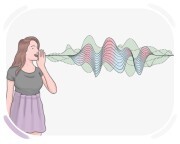
(phonetics) the rising and falling of the voice when speaking
स्वराघात
(grammar) describing a verb that does not take a direct object
अकर्मक, सकर्मक रहित
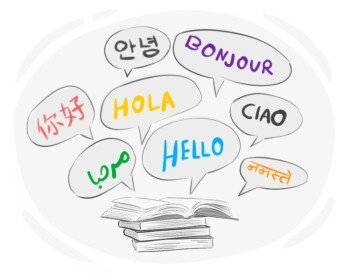
related to the science of language, including its structure, usage, and evolution
भाषाई, भाषा विज्ञान संबंधी
शिक्षक ने अंग्रेजी और जर्मन के बीच भाषाई अंतर पर जोर दिया।
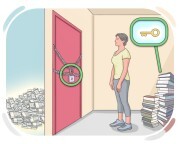
a figure of speech in which a word or expression is used to describe something by implying a comparison with something else
रूपक, उपमा

(grammar) describing a verb form or aspect that presents an action or situation as continuing
प्रगतिशील, अपूर्ण

the use of marks such as a period, comma, etc. in writing to divide sentences and phrases to better convey meaning
विराम चिह्न
वह ईमेल में विराम चिह्न की कमी से भ्रमित था, जिससे इसे समझना मुश्किल हो गया।
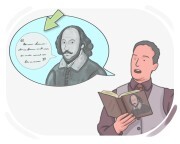
a sentence from a speech, book, etc. that is repeated somewhere else because it is wise or interesting
उद्धरण, अवतरण

a grammatical construction in which two negative elements are used within the same sentence, often resulting in a positive meaning
दोहरा निषेध, निषेध दोहरा
शिक्षक ने समझाया कि अंग्रेज़ी में एक दोहरा नकारात्मक आमतौर पर रद्द हो जाता है, जिससे एक सकारात्मक कथन बनता है।
