
Vocabular Esențial pentru TOEFL - Limbă și Gramatică
Aici veți învăța câteva cuvinte în engleză despre limbă și gramatică, cum ar fi "contraction", "voice", "syllable" etc., care sunt necesare pentru examenul TOEFL.
Revizuire
Fișe de studiu
Ortografie
Chestionar

the shortened form of a word, etc.

abreviere, prescurtare
În scrierea formală, este important să scrieți termenul în întregime înainte de a folosi abrevierea sa.

a short form of a word or a group of words used instead of the full form
contracție, formă contrasă
În vorbirea casuală, contracțiile cum ar fi "nu" și "nu a făcut" sunt frecvent utilizate.

the spoken form of a language specific to a certain region or people which is slightly different from the standard form in words and grammar
dialect, grai
Un dialect este o varietate a unei limbi vorbită de un anumit grup de oameni, caracterizată printr-un vocabular, gramatică și pronunție unice.
a manner of speaking that indicates social class, nationality, or locality of the speaker
accent

the symbol ' used in writing to show possession or omission of letters or numbers
apostrof, simbolul apostrofului
Apostroful din "can't" indică omisiunea literei "o".

(grammar) any type of determiner that shows whether we are referring to a particular thing or a general example of something
articol
Ea s-a chinuit să aleagă articolul corect atunci când scria despre subiecte generale și specifice.
(grammar) the situation where words in a phrase have the same gender, person, or number
acord, concordanță
(grammar) the form of a word that indicates whether one, two, or more things or people are being referred to
număr, număr gramatical
Regula de acord subiect-predicat stipulează că un subiect singular trebuie să se acorde cu un predicat singular în număr, în timp ce un subiect plural trebuie să se acorde cu un predicat plural.
a word or part of a word, which contains a vowel sound and usually one or more consonants
silabă, sunet
Cuvântul "măr" are două silabe.

(phonetics) a speech sound produced without interfering with the flow of air coming through the mouth or nose
vocală, sunet vocalic
El a exersat pronunția clară a fiecărei vocale pentru a-și îmbunătăți accentul.

(phonetics) a speech sound produced by interfering with or stopping the flow of air through the mouth or nose
consoană, sunet consonantic
În alfabetul englez, există 21 consoane și 5 vocale.
(grammar) the form of a verb that indicates whether the subject does something or something is done to it
voce, vocea verbului
În gramatica engleză, diatéza pasivă este folosită atunci când subiectul unei propoziții este acționat de verb, mai degrabă decât să efectueze acțiunea însuși.
a verb that supports or helps another verb to form different tenses, moods, or voices
verb auxiliar
În propoziția „Ea aleargă”, verbul „is” acționează ca un auxiliar pentru a forma timpul prezent continuu.
a word or phrase that completes the meaning of a grammatical expression
complement, complement gramatical
În « Ea l-a făcut complement », cuvântul « complement » este un complement.
(of a word) formed by combining two or more separate words
compus, complex
Cuvânt compus este un cuvânt format din "zăpadă" și "om".

(grammar) a word such as and, because, but, and or that connects phrases, sentences, or words
conjuncție, cuvânt de legătură
Testul de gramatică a verificat capacitatea elevilor de a identifica și utiliza corect conjuncțiile subordonate.
(grammar) formed with or connected to a preposition
prepozițional, legat de o prepoziție
(grammar) a word coming before a noun or noun phrase to specify its denotation
determinant, articol
the quality of being able to speak or write very well and easily in a foreign language
fluență, stăpânire
Ea a atins fluență în spaniolă după ce a locuit în Mexic timp de doi ani.
(grammar) a form of a verb that functions as a noun and is formed by adding the suffix -ing to the base form of the verb
gerunziu, formă verbală care funcționează ca substantiv
Un gerunziu este o formă verbală care funcționează ca un substantiv, terminându-se în "-ing".

a particular combination of words that are used together very often
colocație, combinație de cuvinte
În învățarea limbilor, înțelegerea colocațiilor ajută la utilizarea cuvintelor în cele mai naturale și comune combinații ale acestora.
a group of words or a phrase that has a meaning different from the literal interpretation of its individual words, often specific to a particular language or culture
idiom, expresie idiomatică
Idiomul 'kick the bucket' înseamnă a muri, iar sensul său este destul de diferit de interpretarea literală a lovirii unei găleți.
words or expressions that are very informal and more common in spoken form, used especially by a particular group of people, such as criminals, children, etc.
argou, limbaj colocvial
Adolescenții folosesc adesea argou precum 'lit' pentru a descrie ceva care este captivant sau excelent, ceea ce poate să nu fie ușor de înțeles de către generațiile mai în vârstă.
a well-known statement or phrase that expresses a general truth or gives advice
proverb, zicală
Un proverb binecunoscut spune: 'Faptele vorbesc mai tare decât cuvintele', subliniind importanța faptelor în locul promisiunilor.
(of grammar) asserting a command or order
imperativ, poruncitor
"Așează-te" este un exemplu de propoziție imperativă.
(grammar) a phrase or word used suddenly to express a particular emotion
interjecție, exclamație
Profesorul a explicat conceptul de interjecție în timpul orei de gramatică.
(phonetics) the rising and falling of the voice when speaking
intonatie
În fonetică, intonarea se referă la modelul de creștere și scădere a tonului în vorbire, care transmite semnificație, emoție și accent.
(grammar) describing a verb that does not take a direct object
intranzitiv, netranzitiv
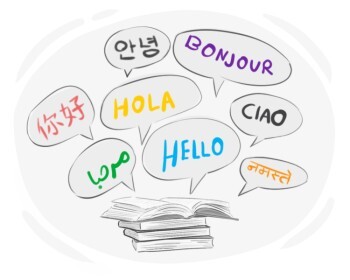
related to the science of language, including its structure, usage, and evolution
lingvistic, de limbă
Cercetarea lingvistică explorează complexitatea achiziției limbii, sintaxei și foneticii.

a figure of speech that compares two unrelated things to highlight their similarities and convey a deeper meaning
metaforă, figură de stil
A folosit metafora unei călătorii pentru a descrie procesul de creștere personală.

(grammar) describing a form of a verb that indicates an action is continuing
progresiv
În propoziția 'Ea citește o carte', verbul 'citește' este la forma progresivă a prezentului.

the use of marks such as a period, comma, etc. in writing to divide sentences and phrases to better convey meaning
punctuație
Ea și-a revizuit cu atenție eseul pentru a se asigura că toată punctuația a fost folosită corect.
a sentence from a speech, book, etc. that is repeated somewhere else because it is wise or interesting
citat, fragment

a grammatical construction in which two negative elements are used within the same sentence, often resulting in a positive meaning
dublă negație, negație dublă
În gramatica standard, o dublă negație poate crea confuzie, deoarece adesea are ca rezultat un sens pozitiv.
