
Body - General Words Related to the Body
Here you will learn some general English words related to the body, such as "torso", "organ", and "duct".
Review
Flashcards
Spelling
Quiz
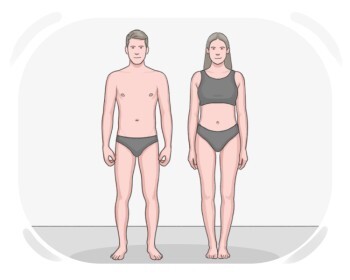
the human body
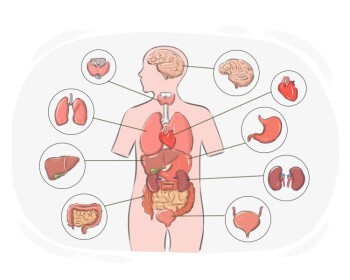
a distinct part of a person, animal, or plant that performs a particular function
the human body or skin, especially considered as physical rather than spiritual
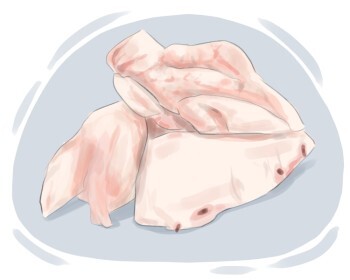
a substance in the bodies of animals and humans, stored under the skin, which helps them keep warm

the upper part of the human body, excluding the arms and the head
the body of an animal or human, except the limbs and head
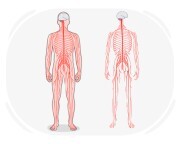
the network of neurons and fibers that interpret stimuli and transmit impulses from the body to the brain
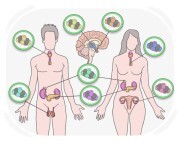
a chemical substance produced in the body of living things influencing growth and affecting the functionality of cells or tissues
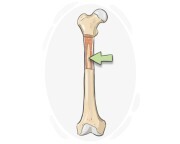
the soft substance that fills the cavities of bones, which is either yellowish and consists of fat cells or reddish and makes blood cells
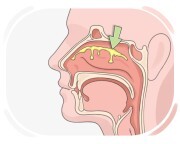
a thick slimy substance produced by mucous membranes, inside the nose or the mouth, to lubricate and protect them
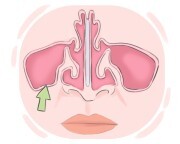
a thin, moist tissue that lines body cavities like the respiratory, digestive, and reproductive tracts, producing mucus for protection and lubrication

the thick mucus that is formed in the nasal and throat cavities, usually secreted in excessive amounts as a result of common cold
a network that collects and transports lymph, supporting immune function and fluid balance
the flowing blood in a circulatory system, moving through vessels to transport oxygen, nutrients, and waste products throughout the body
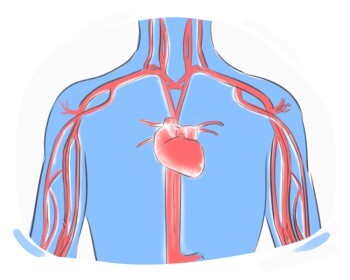
the continuous movement of blood through the heart and blood vessels around the body

the regular beating of the arteries caused by the pumping action of the heart
the chemical processes through which food is changed into energy for the body to use

the air taken into or sent out from the lungs
the action of taking air into the lungs and sending it out again

the anatomical structures, including the nose, mouth, throat, and lungs, that allow for the passage of air during breathing
the entrance or exit point on an organ where blood vessels, nerves, and other structures are connected
a thin layer of living tissue that covers, lines, connects, or separates parts of an organism
a wide blood channel that lacks the lining of a typical blood vessel
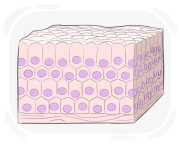
a group of similar cells that work together to form a particular part of a human, animal, or plant
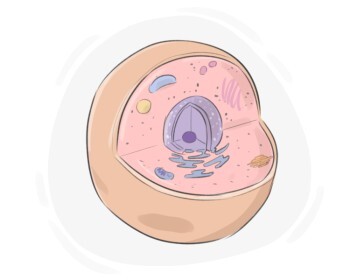
an organism's smallest unit, capable of functioning on its own
an anatomical cavity or space that serves as an entrance to another cavity within the body
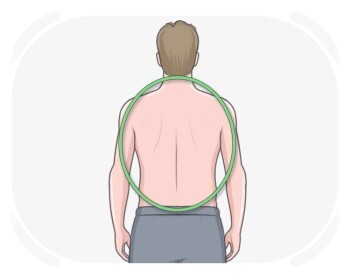
the upper or posterior surface of a body
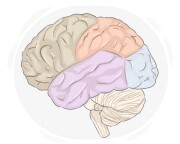
(anatomy) a rounded part of an organ, such as, lungs or brain that seems to be separate in some way from the rest
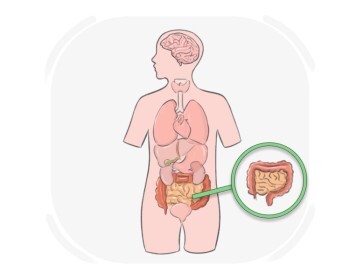
relating to the intestines, which are part of the digestive system responsible for absorbing nutrients and removing waste from the body
relating to the transmission of signals from the central nervous system to muscles
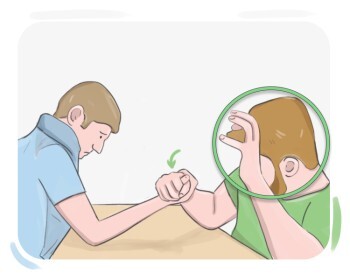
relating to, composed of, or involving muscle
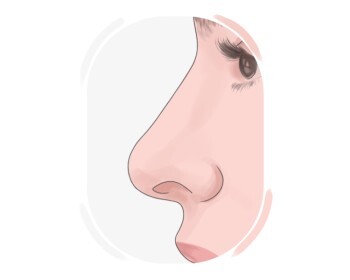
(anatomy) connected with the nose
taken, given, or used through the mouth
relating to the organ that controls blood sugar, called pancreas
(anatomy) connected with the curved set of bones at the bottom of the body, called pelvis
in relation to the body as opposed to the mind
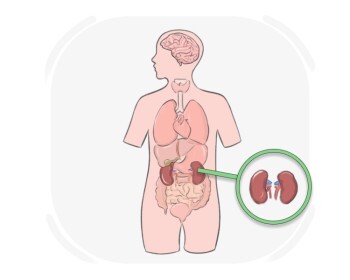
relating to the kidneys or their function
(anatomy) connected with the sensory part of the eye that sends signals to the brain, called retina
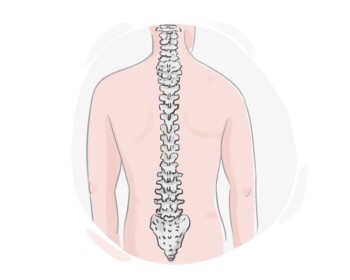
relating to or forming the spine
relating to the uterus, the organ in the female reproductive system where fetal development occurs during pregnancy
(anatomy) related to any of the series of the bones from the back, called vertebra
relating to the skull or the part of the body enclosing the brain
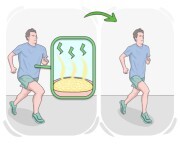
to break down substances like food or drugs to produce energy or support various bodily functions
