

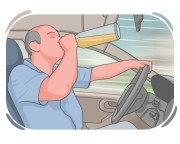
not caring about the possible results of one's actions that could be dangerous

bezohledný, lehkomyslný
Nezodpovědný řidič ignoroval červenou a projel křižovatkou vysokou rychlostí.

someone who writes plays for the TV, radio, or theater
dramatik
Divadelní společnost pozvala talentovaného dramatika, aby napsal originální scénář pro jejich nadcházející produkci.

to exaggerate the importance, danger, or emotional impact of something
dramatizovat, přehánět
Reportéři někdy dramatizují zprávy, aby je učinili přesvědčivějšími.
made with the intention of causing fire
žhářský, hořlavý
Šetření odhalilo, že tovární požár byl zapálen zápalným zařízením umístěným zaměstnancem.
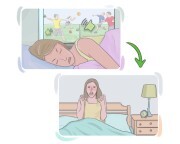
to provoke extreme anger in a person
rozzlobit, dráždit
Hrubé chování jejího kolegy ji rozzuřuje.
something that encourages or motivates someone to do something, often by offering a reward or benefit

in exactly the same words as used originally
slovo od slova, doslova
Článek byl převzat téměř doslova z jiného zdroje.
the unnecessary use of terms and words to express something and causing complexion
žvanění, mnohomluvnost
Projev politika byl plný prázdného slovního průjmu a postrádal podstatný obsah.
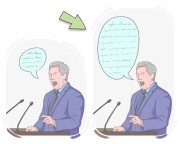
using or having an excessive number of words
upovídaný, rozvláčný
Její upovídaná řeč na konferenci rychle ztratila pozornost publika.
the quality of containing unnecessary and excessive words or terms in speech or writing
mnohomluvnost, rozvláčnost
Žurnalistovo psaní bylo chváleno pro svůj stručný styl, který se vyhýbal zbytečné mnohomluvnosti.
the female head of an abbey, convent, or other religious houses of nuns
abatyše, matka představená
Opatka měla pravomoc nad zdroji a rozhodnutími kláštera, spravovala jeho finance a dohlížela na stavební projekty.

a group of buildings where a community of monks or nuns lives or formerly lived, typically including a church
the male spiritual leader and administrator of an abbey, monastery, or group of monasteries
opat, představený kláštera
Opat předsedal kapitulním schůzím, kde se přijímala důležitá rozhodnutí ohledně komunity a řešily se disciplinární záležitosti.
capable of being physically sensed
hmatatelný, vnímatelný
Její tlukot srdce byl hmatatelný na jeho hrudi.
(of heart) to pound irregularly and rapidly
bušit, bít nepravidelně a rychle
Zvuk blížících se kroků způsobil, že jeho srdce bušilo v očekávání.
a condition of the muscles, in which a person experiences tremors all over their body or in specific body parts
obrna, třes
Lékař doporučil léky a fyzioterapii, aby pomohl zvládnout příznaky obrny.
a sequence of musical notes or chords that marks the conclusion of a phrase, section, or entire composition
kadence, hudební kadence
Ta přetrvávající kadence dala skladbě nezapomenutelné zakončení.
a solo section at the end of a musical piece for the performer to show their skill and creativity
kadence
Skladatel zařadil kadenci blízko konce skladby, což umožnilo sólistovi zazářit dramatickým a složitým pasážem.
the act of treating someone in a demeaning way
ponížení, pokoření
Kampaň proti šikaně měla za cíl zvýšit povědomí a zabránit ponižování zranitelných jedinců.
