Verbs of Causing Movement - Verbs for Causing Movement

Here you will learn some English verbs referring to causing movement such as "push", "shove", and "propel".

review-disable

review

flashcard-disable

flashcard

spelling-disable

spelling

quiz-disable

quiz

start-learning
Verbs of Causing Movement
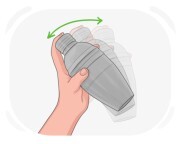
to shake [verb]

to cause someone or something to move up and down or from one side to the other with short rapid movements
Ex: The farmer shakes the apple tree to make the ripe fruits fall .
to rock [verb]

to cause someone or something to move gently from one side to another
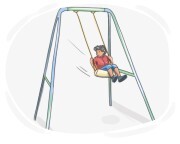
Ex: With a gentle push , she rocked the swing , entertaining the child in the backyard .
to swing [verb]

to move or make something move from one side to another while suspended

Ex:
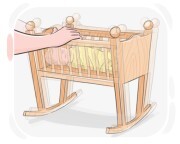
to sway [verb]

to cause something to move gently back and forth or from side to side
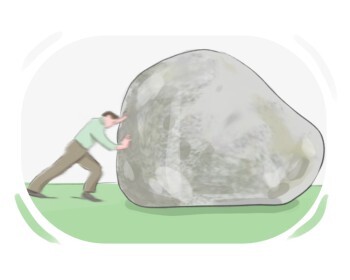
Ex: She gently swayed the cradle , soothing the baby with a rhythmic motion .
to push [verb]

to use your hands, arms, body, etc. in order to make something or someone move forward or away from you
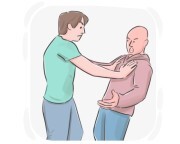
Ex: The teacher told the students to push their chairs under the table .
to shove [verb]

to push forcefully with a quick, strong movement, often using hands or body
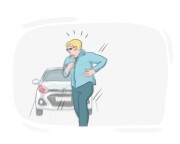
Ex: In frustration , she forcefully shoved the door , eager to leave the room .

to cause someone or something to move quickly
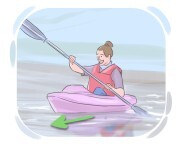
Ex: In the emergency , the supervisor hustled the team out of the premises as quickly as possible .

to drive, push, or cause to move forward or onward
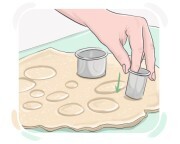
Ex: The gust of wind unexpectedly propelled the kite into the air .

to push an object or person with considerable strength and speed

Ex: In the emergency , the lifeguard swiftly thrust the rescue buoy toward the struggling swimmer .
to drive [verb]

to force something into or through another object using physical effort or a tool
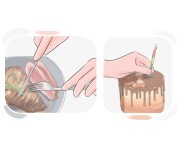
Ex: The worker drove the stake into the soil to secure the tent .
to stick [verb]

to push or insert something pointed or sharp into or through something else
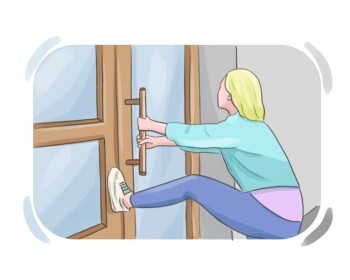
Ex: They stuck a flag into the ground to mark their campsite .
to pull [verb]

to use your hands to move something or someone toward yourself or in the direction that your hands are moving
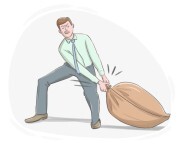
Ex: They worked together to pull the heavy box off the shelf .
to drag [verb]

to pull something with effort along a surface

Ex: He drags the garbage bin to the curb for pickup .
to draw [verb]

to cause something to move toward oneself or in a particular direction by pulling it
Ex: He reached down to draw the suitcase closer to him on the airport conveyor belt .
to trail [verb]

to be pulled along by a leading force

Ex: The long scarf trailed in the breeze as she walked along the beach .
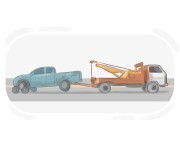
to tow [verb]

to pull an object behind a vehicle, typically using a rope or chain
Ex: The truck was equipped with a hitch to tow a trailer filled with construction materials .
to yank [verb]

to pull something with a sudden and powerful motion

Ex: Reacting swiftly , the parent yanked the child away from the oncoming traffic .
to hitch [verb]

to quickly and suddenly move something into a different position

Ex: With a swift motion , he hitched the guitar onto his back and headed for the stage .
to hale [verb]

to drag someone or something with force

Ex: The workers had to hale the fallen tree out of the road after the storm .
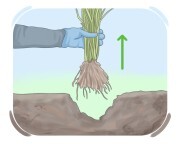
to tug [verb]

to pull with a quick, forceful movement
Ex:
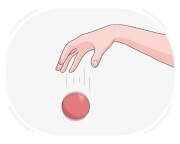
to drop [verb]

to let or make something fall to the ground
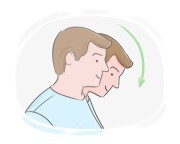
Ex: The fire was caused by someone dropping a lighted cigarette .
to dip [verb]

to move something downward

Ex: They dipped the flag to honor the fallen soldiers .

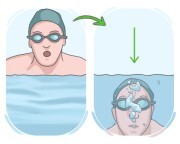
to completely put something into a liquid

Ex: As part of the experiment , the scientist needed to immerse the specimen in a chemical solution .

to guide or carve a path for a flow of water through a specific route or landscape, either naturally or intentionally
Ex: The ancient river had long ago channeled its way through the rocky terrain , leaving behind a steep canyon .
to pump [verb]

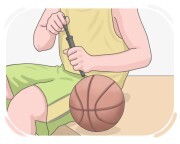
to make gas or liquid move in a certain direction using a mechanical action

Ex: The heart pumps blood throughout the circulatory system to supply the body with oxygen .