
ACT Humanities - Politics and Legislature
Learn ACT humanities vocabulary for politics and legislation, including government, elections, lawmakers, policies, political institutions, and the creation of laws.
Review
Flashcards
Spelling
Quiz

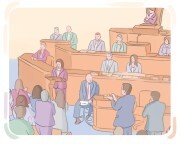
the legislative body of the United States, consisting of the Senate and the House of Representatives

the percentage or number of eligible voters who actually cast their vote
a form of government where the power is vested in the hands of the people, either directly or through elected representatives
a country or territory politically controlled by another, more powerful country
a country or territory ruled by a monarch
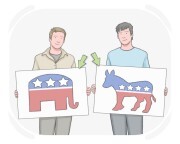
an official political group with shared beliefs, goals, and policies aiming to be a part of or form a government

a person elected to serve in a Senate, the upper house of a legislature
a proposal, offer, or suggestion presented for consideration, especially in business
a formal meeting between leaders of governments or other high-ranking officials
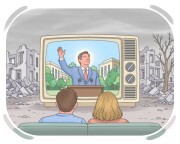
information and statements that are mostly biased and false and are used to promote a political cause or leader
a written law formally enacted by a legislative body
a formal agreement between parties, particularly to help one another
the process of officially selecting a candidate for either an election or bestowing an honnor
the formal act of breaking away from a larger political entity or organization
a politically organized body of people under a single government, typically emphasizing the common good
a territory or state ruled by a prince, often smaller than a kingdom but with a degree of political independence
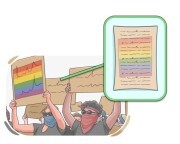
a written public declaration of intentions, opinions, and objectives, often issued by a political party, a government, or a group of individuals with a shared interest or purpose
the act or process of giving work, responsibility, or authority to another person
an official order according to which any commercial activity with a particular country is banned
an extreme allegiance to a particular political party or ideology
agreement and collaboration between two major political parties that typically oppose each other's policies

involving or belonging to the government of a city, town, etc.
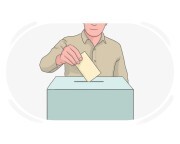
related to voting, elections, or the process of choosing representatives through voting mechanisms
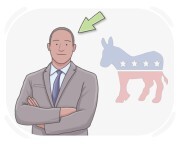
a member or supporter of the Democratic Party in the United States
related to or characteristic of a political ideology that emphasizes individual freedoms, equality, and government intervention for social welfare and economic opportunity
a member or supporter of the Republican Party in the United States
holding a political view that supports free enterprise, limited government spending and traditional social views
(of a territory, organization, etc.) making decisions regarding one's internal affairs without external interference
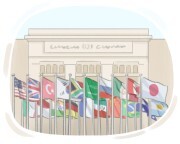
operating or involving activities across multiple countries or nations
relating to an ideology or political system advocating for the collective ownership of property and the absence of social classes

relating to the central government of a country rather than the local or regional governments
involving or relating to the interactions or relationships between states within a country or federation
the place where someone or a group of people come from and feel a strong connection to
(of a person or system) enforcing strict obedience to authority at the expense of individual freedom
associated with matters or activities of a consulate or consul, particularly the representation and protection of a country's citizens and interests in a foreign city or region
relating to the period in a region's history before it was colonized by foreign powers
to make or accept a law by voting or by decree

a set of ideas or a plan of action that has been chosen officially by a group of people, an organization, a political party, etc.
a public vote in which people in a country or area decide or express their opinion on an important political or social question

an official agreement between two or more governments or states
a formal change or addition made to a law, constitution, contract, or other legal document
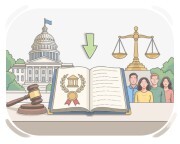
the official laws and principles by which a country or state is governed
a period or condition of holding a position
a formal ceremony at which a person is admitted to office

to rule a country or territory as a monarch
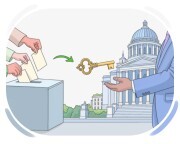
the legality and power given to a government or other organization after winning an election
a formal meeting place where discussions or decisions take place, particularly within a administrative or judicial context

the head of government in parliamentary democracies, who is responsible for leading the government and making important decisions on policies and law-making
