pattern

Cambridge IELTS 19 - Academic - Test 3 - Listening - Part 4 (1)

Here you can find the vocabulary from Test 3 - Listening - Part 4 (1) in the Cambridge IELTS 19 - Academic coursebook, to help you prepare for your IELTS exam.

Review

Flashcards

Forms

Spelling

Quiz

Start learning
Cambridge IELTS 19 - Academic
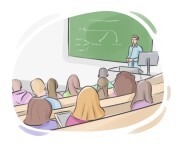
lecture
lecture
[noun]

a talk given to an audience about a particular subject to educate them, particularly at a university or college

Ex: The lecturer provided handouts to accompany the lecture. 
Close
Sign in
microplastic

very small plastic pieces in the environment that originate from personal care products, clothing, etc. and the degradation of other plastic products
Ex: Microplastics are tiny pieces of plastic less than 5 millimeters in size that pollute the environment. 
Close
Sign in
awareness
awareness
[noun]

knowledge or understanding of a specific situation, fact, or issue

Close
Sign in
to receive

to be subjected to or experience a particular reaction or feedback from others
Ex: The new policy received widespread approval from employees, who appreciated its focus on work-life balance. 
Close
Sign in
widespread
widespread
[Adjective]

existing or spreading among many people, groups, or communities through communication, influence, or awareness

Ex: The misinformation about the new policy became widespread on social media. 
Close
Sign in
attention
attention
[noun]

special care or treatment given to someone or something
Ex: The neglected garden required a lot of attention to restore its beauty. 
Close
Sign in
freshwater

water that does not contain salt and is suitable for consumption

Close
Sign in
particularly
particularly
[Adverb]

to a degree that is higher than usual
Ex: The restaurant is particularly busy on Friday nights. 
Close
Sign in
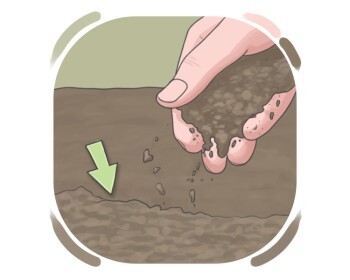
soil
soil
[noun]

the black or brownish substance consisted of organic remains, rock particles, and clay that forms the upper layer of earth where trees or other plants grow

Ex: The gardeners enriched the soil with compost to improve plant growth. 
Close
Sign in
via
via
[preposition]

by means of a particular person, system, etc.
Ex: She sent me a message via WhatsApp. 
Close
Sign in
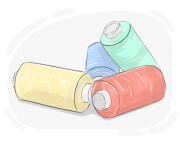
thread
thread
[noun]

a thin strand of material, such as cotton, nylon, or silk, used for sewing or weaving

Close
Sign in
to detach
to detach
[Verb]

to become separated or disconnected from something else
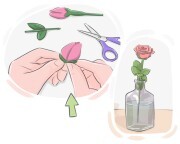
Ex: The Velcro on the jacket detached easily, causing the patch to fall off. 
Close
Sign in
synthetic
synthetic
[Adjective]

produced artificially, typically based on its natural version

Ex: Synthetic fabrics like polyester are created through chemical processes rather than being directly sourced from plants or animals. 
Close
Sign in
water system

a facility that provides a source of water

Close
Sign in
to break down

(in mathematics, chemistry, or grammar) to break into smaller parts or components, especially for a detailed analysis or examination

Ex: Can you break the complex process down for better understanding? 
Close
Sign in
microscopic
microscopic
[Adjective]

too small to be seen with the naked eye

Ex: The microscopic organisms in the pond water were revealed under the microscope, displaying a hidden world of tiny life forms. 
Close
Sign in
particle
particle
[noun]

a tiny, discrete unit of matter or substance that can range from subatomic particles like electrons and protons to larger particles like dust or sand grains
Ex: Scientists study the behavior of particles in particle physics to understand the fundamental forces of nature. 
Close
Sign in
scale
scale
[noun]

the size, amount, or degree of one thing compared with another
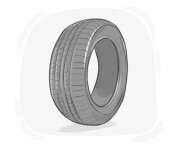
Ex: The scale of the earthquake was so immense that it caused widespread damage across the region. 
Close
Sign in
tyre
tyre
[noun]

a rubber covering filled with air that fits around a vehicle's wheel to help it move smoothly and safely on the road
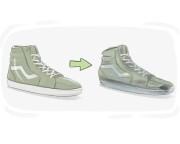
Ex: The car has new tyres that improve its grip on wet roads. 
Close
Sign in
to wear down

to become damaged through regular use
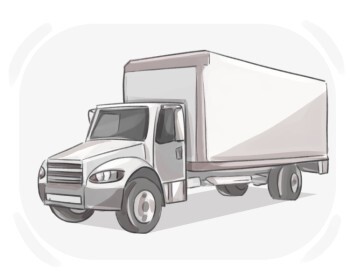
Ex: The repetitive use of the keyboard can wear down the letters on the keys. 
Close
Sign in
lorry
lorry
[noun]

a large, heavy motor vehicle designed for transporting goods or materials over long distances

Ex: The lorry arrived early in the morning to deliver the supplies to the construction site. 
Close
Sign in
and so on
and so on
[Adverb]

used to show that a list could continue in the same way without naming everything
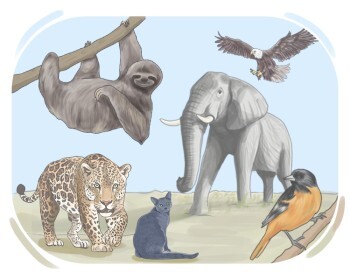
Ex: We need paper, pens, books, and so on. 
Close
Sign in
to travel along

travel along a certain course

Close
Sign in
creature
creature
[noun]

any living thing that is able to move on its own, such as an animal, fish, etc.
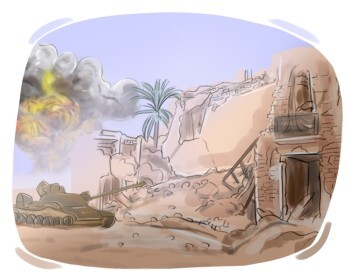
Ex: The forest was teeming with creatures of all shapes and sizes, from tiny insects to large mammals. 
Close
Sign in
to damage
to damage
[Verb]

to physically harm something

Ex: The storm's strong winds and hailstones damaged the roof of the house. 
Close
Sign in
to impair
to impair
[Verb]

to cause something to become weak or less effective

Ex: Prolonged exposure to loud noise can impair hearing over time. 
Close
Sign in
to lodge
to lodge
[Verb]

to become stuck or fixed in a particular position, often in a way that is difficult to remove
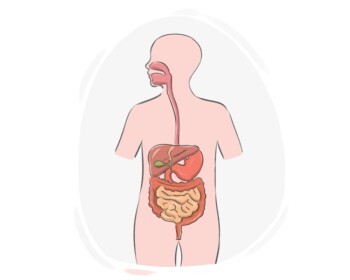
Ex: A splinter from the wooden deck lodged in her finger. 
Close
Sign in
digestive system

the group of organs inside the body that absorb the food and pass the waste

Ex: Within the digestive system, enzymes and acids collaborate to break down food into smaller molecules for absorption. 
Close
Sign in
surprisingly
surprisingly
[Adverb]

against what might be expected

Ex: Surprisingly, she passed the exam despite missing half the classes. 
Close
Sign in
likely
likely
[Adjective]

having a possibility of happening or being the case
Ex: The doctor believes it's likely that the patient will make a full recovery with proper treatment. 
Close
Sign in
to consume

to eat or drink something

Ex: After a long day at work, she was ready to consume a hearty meal. 
Close
Sign in
to detect
to detect
[Verb]

to notice or discover something that is difficult to find
Ex: The security system is designed to detect unauthorized access to the building. 
Close
Sign in
product
product
[noun]

something that is created or grown for sale
Ex: The bakery's best-selling product is its freshly baked bread. 
Close
Sign in
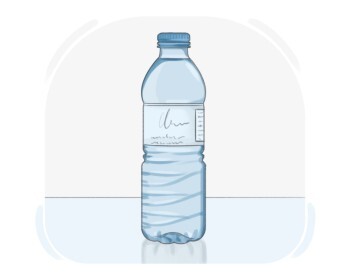
bottled water

drinking water (often spring water) that is put into bottles and offered for sale
Close
Sign in
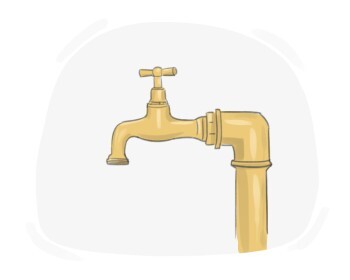
tap
tap
[noun]

an object that controls the flow of liquid or gas from a container or pipe

Ex: She turned on the tap and filled the kettle with water. 
Close
Sign in
what is more
what is more
[Adverb]

used to introduce an additional point or emphasize an even greater extent of what has been previously mentioned
Ex: She not only completed the project ahead of schedule; what is more, she exceeded all expectations. 
Close
Sign in
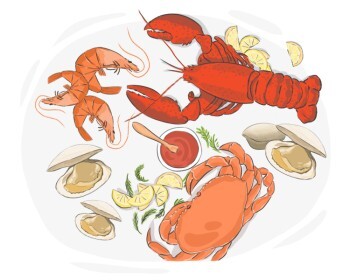
seafood
seafood
[noun]

any sea creature that is eaten as food such as fish, shrimp, seaweed, and shellfish
Ex: She's a seafood aficionado, specializing in preparing sushi and sashimi at home. 
Close
Sign in
to contain

to have or hold something within or include something as a part of a larger entity or space

Ex: The box regularly contains various items like books and documents. 
Close
Sign in
to underline

to emphasize the importance of something by making it seem more noticeable
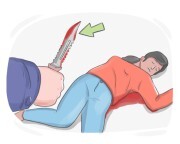
Ex: In the memo, the manager underlined the urgency of completing the project by the end of the week. 
Close
Sign in
conclusive
conclusive
[Adjective]

providing clear and final evidence or proof, leaving no doubt or uncertainty
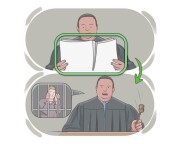
Ex: The DNA evidence provided conclusive proof of the suspect's guilt. 
Close
Sign in
proof
proof
[noun]

information or evidence that proves the truth or existence of something
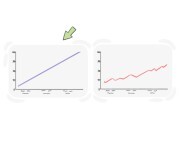
Ex: The DNA results acted as proof that the suspect was at the scene of the crime. 
Close
Sign in
significant
significant
[Adjective]

important or great enough to be noticed or have an impact

Ex: The discovery of the ancient artifact was significant for understanding the region's history. 
Close
Sign in
legislation

a formal rule or collection of rules enacted by a governing authority
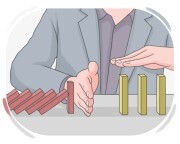
Ex: The new environmental legislation limits carbon emissions from factories. 
Close
Sign in
to prevent

to not let someone do something

Ex: The security guard prevented the unauthorized person from entering the building. 
Close
Sign in
manufacturer

a person, company, or country that produces large numbers of products

Ex: The car manufacturer introduced a new model that promised better fuel efficiency. 
Close
Sign in
shower gel

a liquid soap used in the shower that creates a foamy lather to cleanse and refresh the skin
Ex: She loves the citrus scent of her new shower gel. 
Close
Sign in
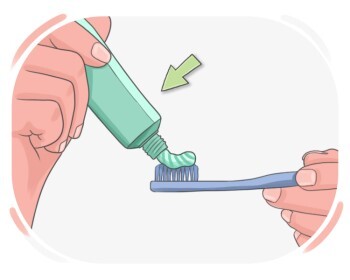
toothpaste

a soft and thick substance we put on a toothbrush to clean our teeth
Ex: She squeezed a small amount of toothpaste onto her toothbrush before brushing her teeth. 
Close
Sign in
accurately
accurately
[Adverb]

in a way that has no errors or mistakes
Ex: The scientist measured the temperature accurately using calibrated instruments. 
Close
Sign in
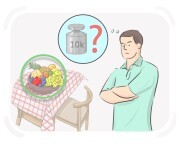
to estimate

to guess the value, number, quantity, size, etc. of something without exact calculation
Ex: I estimate that there are about 100 people at the party. 
Close
Sign in
to deposit

to place or fix something in a specific location

Ex: To secure the valuable artifact, the museum decided to deposit it in a high-security vault. 
Close
Sign in
fertiliser

any substance such as manure or a mixture of nitrates used to make soil more fertile
Close
Sign in
facial
facial
[Adjective]

relating to the face or its appearance

Ex: Facial expressions convey emotions and feelings. 
Close
Sign in
cleanser
cleanser
[noun]

a substance that is used to clean a surface, especially a cosmetic that cleans the skin

Close
Sign in
route
route
[noun]

a way or method that leads to a certain goal or result

Ex: This book explains different routes to success in business. 
Close
Sign in
microbead
microbead
[noun]

a very small, round piece of plastic usually added to products like soap, toothpaste, or face scrubs to help clean surfaces like skin or teeth

Ex: This face wash contains small microbeads. 
Close
Sign in
microfiber

a very thin, soft, and strong fabric made from tiny man-made threads, often used for cleaning cloths and towels

Ex: Microfiber clothes dry faster than cotton ones. 
Close
Sign in
LanGeek
Download LanGeek app