Cambridge IELTS 19 - Academic "Test 2 - Reading - Passage 2 (3)" Vocabulary

Here you can find the vocabulary from Test 2 - Reading - Passage 2 (3) in the Cambridge IELTS 19 - Academic coursebook, to help you prepare for your IELTS exam.

review-disable

review

flashcard-disable

flashcard

spelling-disable

spelling

quiz-disable

quiz

start-learning
Cambridge IELTS 19 - Academic

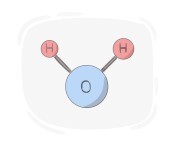
(chemistry) a substance formed by the chemical combination of two or more elements in a fixed ratio

Ex: The scientist studied the reaction of a chemical compound with various solvents .

to provide explanations or reasons for a particular situation or set of circumstances

Ex: The witness was asked to account for what they saw at the scene of the accident .

to show, point out, or suggest the existence, presence, or nature of something

Ex: The arrow on the map indicates the next turn .
link [noun]

a relationship or connection between two or more things or people

Ex: The study found a link between diet and heart disease .
mention [noun]

a short reference to someone or something, often made in speech or writing without giving many details

Ex: I was happy to get a mention in the credits .

to become aware or conscious of something

Ex: Through the artist 's work , many perceived a deeper message about society 's values .
to view [verb]

to regard or consider something in a particular way

Ex: She views nature as a source of inspiration and tranquility .
stage [noun]

a segment or phase of a journey or process

Ex: The project is currently in its initial stage , focusing on research and planning .
symptom [noun]

anything that occurs alongside a particular condition or phenomenon, serving as an indication of its presence or existence

Ex: Excessive fatigue can be a symptom of overwork or stress .
measure [noun]

any action or maneuver taken as part of a plan or strategy to achieve a specific goal or progress toward an objective

Ex: He took several measures to ensure the success of his startup business .
aspect [noun]

a defining or distinctive feature of something

Ex: He explained every aspect of the plan in detail .
post [noun]

a piece of writing, image, etc. published online, usually on a social media website or application, or a blog
Ex: The viral post sparked a lively discussion among users .
severe [adjective]

intense or extreme in impact

Ex: The company experienced severe financial losses during the recession .
apparent [adjective]

easy to see or notice

Ex: The apparent beauty of the landscape took her breath away .
frequently [adverb]

regularly and with short time in between
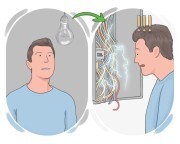
Ex: The manager frequently communicates updates to the team .

to be faced with an unexpected difficulty during a process
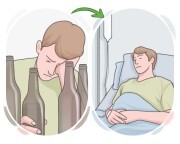
Ex: Engineers often encounter unforeseen issues during the construction phase of a project .

to experience and be affected by something bad or unpleasant

Ex: The company suffered financial losses during the economic downturn .
episode [noun]

any of the separate events or series of events occurring in a sequence

to join or connect together to form a pair

Ex:

a broad term encompassing various conditions affecting the heart, including coronary artery disease, heart failure, and valvular disorders
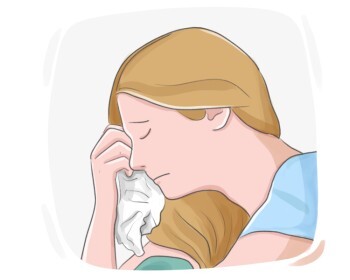
Ex: The cardiologist recommended medication to manage Mary 's heart disease and improve cardiac function .

a state characterized by constant feelings of sadness, hopelessness, and a lack of enegry or interest in activities
Ex: Many people experience depression during major life changes .

to make sure that something will happen

Ex: The teacher is ensuring that students understand the new lesson .

to help or support the progress or development of something

Ex: The government launched a campaign to promote environmental conservation and sustainability .
through [preposition]

used to indicate the method or channel by which something is done
Ex: The funds were raised through donations .

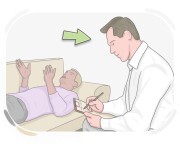
a professional who studies behavior and mental processes to understand and treat psychological disorders and improve overall mental health

Ex: Psychologists often use standardized tests to assess cognitive abilities and personality traits .
rather than [preposition]

used to indicate a preference between two alternatives, often suggesting one option is chosen over the other
Ex: I 'll use the stairs rather than taking the elevator to get some exercise .
nerves [noun]

an uneasy psychological state

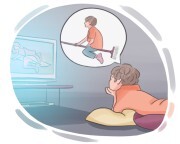
to create a mental image or representation

Ex: When planning the event , he tried to picture the venue layout in his mind .
competitive [adjective]

referring to a situation in which teams, players, etc. are trying to defeat their rivals
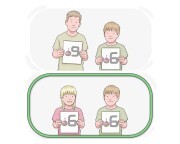
Ex: The job market has become more competitive due to the economic downturn .
peer [noun]

a person of the same age, social status, or capability as another specified individual

Ex: The summer camp aimed to create a supportive environment where children could interact with peers and develop social skills .
sense [noun]

an overall, conscious recognition or understanding of a situation, feeling, or environment

Ex: There was a sense of unease in the room as they awaited the verdict .
session [noun]

a scheduled period of teaching, instruction, or learning activities conducted within a defined timeframe

Ex: Students actively participated in discussions and group activities throughout the session .

a person who takes part in sports, either professionally or for enjoyment

Ex: The young sportsperson dreamed of competing internationally .
threat [noun]

something that poses danger or the possibility of harm

Ex: The police quickly responded to the bomb threat called in at the downtown office building .
to score [verb]

to record or keep track of the points, goals, or runs achieved by players or teams during a game or contest

Ex: The referee scores the goals as they happen .

a Latin phrase (or its abbreviation) used to indicate that special attention should be paid to something

Cambridge IELTS 19 - Academic
Test 1 - Listening - Part 1 Test 1 - Listening - Part 2 Test 1 - Listening - Part 3 (1) Test 1 - Listening - Part 3 (2)
Test 1 - Listening - Part 4 (1) Test 1 - Listening - Part 4 (2) Test 1 - Reading - Passage 1 (1) Test 1 - Reading - Passage 1 (2)
Test 1 - Reading - Passage 2 (1) Test 1 - Reading - Passage 2 (2) Test 1 - Reading - Passage 2 (3) Test 1 - Reading - Passage 3 (1)
Test 1 - Reading - Passage 3 (2) Test 1 - Reading - Passage 3 (3) Test 2 - Listening - Part 1 Test 2 - Listening - Part 2 (1)
Test 2 - Listening - Part 2 (2) Test 2 - Listening - Part 3 (1) Test 2 - Listening - Part 3 (2) Test 2 - Listening - Part 4 (1)
Test 2 - Listening - Part 4 (2) Test 2 - Reading - Passage 1 (1) Test 2 - Reading - Passage 1 (2) Test 2 - Reading - Passage 1 (3)
Test 2 - Reading - Passage 2 (1) Test 2 - Reading - Passage 2 (2) Test 2 - Reading - Passage 2 (3) Test 2 - Reading - Passage 3 (1)
Test 2 - Reading - Passage 3 (2) Test 2 - Reading - Passage 3 (3) Test 3 - Listening - Part 1 Test 3 - Listening - Part 2 (1)
Test 3 - Listening - Part 2 (2) Test 3 - Listening - Part 3 (1) Test 3 - Listening - Part 3 (2) Test 3 - Listening - Part 4 (1)
Test 3 - Listening - Part 4 (2) Test 3 - Reading - Passage 1 (1) Test 3 - Reading - Passage 1 (2) Test 3 - Reading - Passage 1 (3)
Test 3 - Reading - Passage 2 (1) Test 3 - Reading - Passage 2 (2) Test 3 - Reading - Passage 2 (3) Test 3 - Reading - Passage 3 (1)
Test 3 - Reading - Passage 3 (2) Test 3 - Reading - Passage 3 (3) Test 3 - Reading - Passage 3 (4) Test 4 - Listening - Part 1 (1)
Test 4 - Listening - Part 1 (2) Test 4 - Listening - Part 2 (1) Test 4 - Listening - Part 2 (2) Test 4 - Listening - Part 3 (1)
Test 4 - Listening - Part 3 (2) Test 4 - Listening - Part 4 (1) Test 4 - Listening - Part 4 (2) Test 4 - Listening - Part 4 (3)
Test 4 - Reading - Passage 1 (1) Test 4 - Reading - Passage 1 (2) Test 4 - Reading - Passage 1 (3) Test 4 - Reading - Passage 2 (1)
Test 4 - Reading - Passage 2 (2) Test 4 - Reading - Passage 2 (3) Test 4 - Reading - Passage 2 (4) Test 4 - Reading - Passage 3 (1)
Test 4 - Reading - Passage 3 (2) Test 4 - Reading - Passage 3 (3) Test 4 - Reading - Passage 3 (4)