Cambridge IELTS 19 - Academic - Test 3 - Listening - Part 4 (2)

Here you can find the vocabulary from Test 3 - Listening - Part 4 (2) in the Cambridge IELTS 19 - Academic coursebook, to help you prepare for your IELTS exam.

review-disable

review

flashcard-disable

flashcard

spelling-disable

spelling

quiz-disable

quiz

start-learning
Cambridge IELTS 19 - Academic
biodegradable [adjective]

(of an object) able to be broken down by living organisms such as bacteria, which is then safe for the environment
Ex: Biodegradable paper products , such as napkins and plates , decompose quickly when exposed to moisture and microbes .
conventional [adjective]

generally accepted and followed by many people

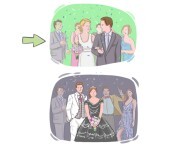
Ex: Sending thank-you cards after receiving gifts is considered conventional etiquette .

to take food, drink, or another substance into the body by swallowing or absorbing it

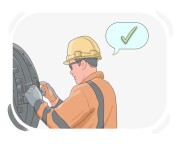
Ex: The doctor advised the patient to ingest the prescribed medication with a full glass of water .

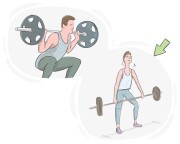
to reduce one's body mass or overall body weight
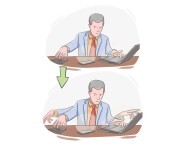
Ex: He gradually lost weight through a combination of portion control and regular exercise .
rapidly [adverb]

in a way that is very quick and often unexpected
Ex: The athlete ran rapidly to break the record .
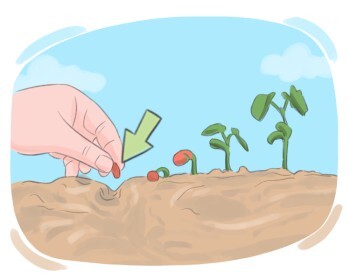
seed [noun]

a small living part of a plant that when put in the ground, grows into a new one

Ex: Some plants , like dandelions , disperse their seeds through the wind , allowing them to spread far and wide .

to start to grow, producing buds or branches

Ex: To germinate , these desert plants require a specific temperature and amount of rainfall .

to draw a logical inference or outcome based on established premises or evidence
Ex: After reviewing the historical data , historians concluded that the climate significantly influenced societal changes .
unable [adjective]

being incapable of or lacking the skill, means, etc. necessary for doing something

Ex: He felt frustrated and unable to communicate his ideas effectively .
role [noun]

what something is used for

to think or say that something is caused by a certain thing

Ex: The teacher attributed the students ' progress to their dedication .
mainly [adverb]

more than any other thing

Ex: The diet plan focuses mainly on incorporating whole foods and avoiding processed items .

a decision reached after thoroughly considering all relevant information
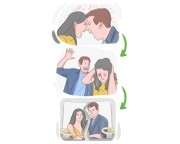
Ex: The scientist 's conclusion was based on years of research and data analysis .

to lead to a particular outcome or situation

Ex: Her decision to quit her job made for a lot of stress in her life .

a work containing useful information on a particular subject, often consulted for guidance or clarification

Ex: I found the solution in the reference .
session [noun]

a scheduled period of teaching, instruction, or learning activities conducted within a defined timeframe
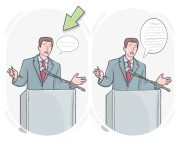
Ex: Students actively participated in discussions and group activities throughout the session .

to give a short and simplified version that covers the main points of something
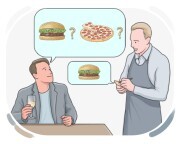
Ex: The presenter used bullet points to summarize the key points of the presentation for the audience .

to put forward a suggestion, plan, or idea for consideration
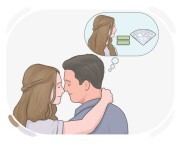
Ex: She proposed a topic for her research project , hoping to investigate the relationship between social media usage and mental health .

to think about someone or something in a specified way

Ex:
process [noun]

a natural extension or projection from a part of an animal or plant organism

Ex: Leaf processes vary in shape among species .

a possible consequence that something can bring about

Ex: The report highlighted the implications of climate change for future generations .
dependent on [adjective]

being determined by conditions or circumstances that follow

to decay [verb]

to be gradually damaged or destroyed as a result of natural processes

Ex: The fallen leaves have decayed , enriching the soil with nutrients .

to go or move from one place to another, often without stopping or staying for long

Ex: We passed through a tunnel on our way to the coast .
impoverished [adjective]

having a limited number of species or individuals within a particular ecosystem or population

Ex: The overuse of herbicides in suburban lawns contributed to an impoverished insect ecosystem , affecting bees , butterflies , and other pollinators .
presence [noun]

the state of being present; current existence

a community of living organisms together with their physical environment, interacting as a system

Ex: Human activities like deforestation can disrupt fragile ecosystems and lead to biodiversity loss .
fiber [noun]

a thin thread or strand, especially one that is used to make fabric or rope
Ex:
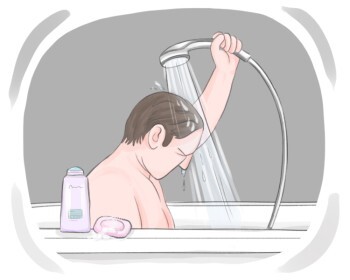
washing [noun]

the act of cleaning oneself, clothes, or other items using water and soap or other cleaning substances

Ex: They spent the morning doing the washing .

the process by which organic matter is decomposed, often by bacterial, fungal, or enzymatic action
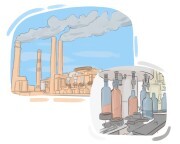
Ex: Proper aeration speeds the breakdown of organic waste in a home composter .
industry [noun]

the manufacture of goods using raw materials, particularly in factories
Ex: The technology industry is known for rapid innovation and advancements .
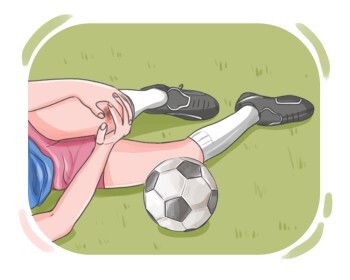
injury [noun]

any physical damage to a part of the body caused by an accident or attack

Ex: She 's been doing exercises to heal her shoulder injury .

the sequence of organisms in an ecosystem where each organism serves as a source of food for the next organism in the chain

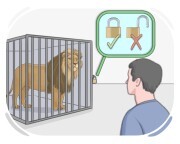
banned [adjective]

prohibited or not allowed by law, rule, or authority

to complete or conduct a task, job, etc.

Ex: The detective was assigned to carry out the investigation into the mysterious disappearance .

tubular passage of mucous membrane and muscle extending about 8.3 meters from mouth to anus; functions in digestion and elimination

a terrestrial invertebrate of the annelid family that moves through the soil and feeds on organic matter
essential [adjective]

very necessary for a particular purpose or situation
Ex: Regular exercise is essential for maintaining physical fitness and health .

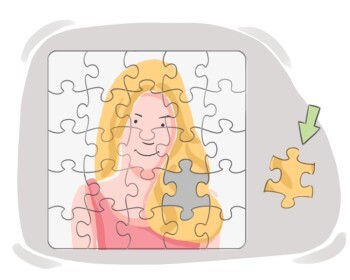
a part that combines with others to form a larger whole, often separable and functional within a system

Ex: This component is responsible for the power supply .
nutrient [noun]

a chemical element or inorganic compound that green plants absorb and incorporate into their organic molecules to support growth and metabolism

Ex: After soil analysis indicated low phosphorus availability , the farmer applied a phosphate-rich nutrient amendment before planting corn .
thereby [adverb]

used to indicate how something is achieved or the result of an action
Ex: He invested in professional development , thereby enhancing his career prospects .
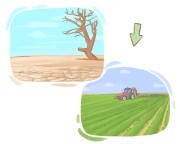
fertile [adjective]

(of land or soil) able to produce crops or plants well
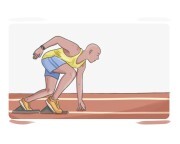
Ex: The ancient civilizations settled near fertile river valleys , where they could grow crops and sustain large populations .

to begin doing something in order to reach a goal
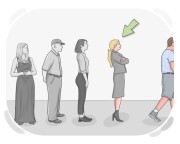
Ex: The company set out on a mission to reduce its carbon footprint in the industry .
subsequent [adjective]

occurring or coming after something else

Ex: He faced subsequent challenges after recovering from the initial setback .

the process of taking food into the body through the mouth (as by eating)

to place [verb]

to put or cause someone to be in a particular position or location, especially for a specific purpose or function

Ex: The company placed the project on hold until additional funding could be secured .
perennial [adjective]

(of plants) lasting for several years, often returning and flowering repeatedly during its life cycle

Ex:

any of several annual or perennial Eurasian grasses

a plastic made from natural plants like corn or sugar, often used for bottles, containers, or 3D printing because it is light, safe, and breaks down faster than regular plastic

Ex: Some food containers are made of polylactic acid .

a strong, durable plastic often used for making containers, bottles, and pipes because it is resistant to chemicals and can withstand high temperatures

Ex: Some toys are made using high-density polyethylene .
Cambridge IELTS 19 - Academic
Test 1 - Listening - Part 1 Test 1 - Listening - Part 2 Test 1 - Listening - Part 3 (1) Test 1 - Listening - Part 3 (2)
Test 1 - Listening - Part 4 (1) Test 1 - Listening - Part 4 (2) Test 1 - Reading - Passage 1 (1) Test 1 - Reading - Passage 1 (2)
Test 1 - Reading - Passage 2 (1) Test 1 - Reading - Passage 2 (2) Test 1 - Reading - Passage 2 (3) Test 1 - Reading - Passage 3 (1)
Test 1 - Reading - Passage 3 (2) Test 1 - Reading - Passage 3 (3) Test 2 - Listening - Part 1 Test 2 - Listening - Part 2 (1)
Test 2 - Listening - Part 2 (2) Test 2 - Listening - Part 3 (1) Test 2 - Listening - Part 3 (2) Test 2 - Listening - Part 4 (1)
Test 2 - Listening - Part 4 (2) Test 2 - Reading - Passage 1 (1) Test 2 - Reading - Passage 1 (2) Test 2 - Reading - Passage 1 (3)
Test 2 - Reading - Passage 2 (1) Test 2 - Reading - Passage 2 (2) Test 2 - Reading - Passage 2 (3) Test 2 - Reading - Passage 3 (1)
Test 2 - Reading - Passage 3 (2) Test 2 - Reading - Passage 3 (3) Test 3 - Listening - Part 1 Test 3 - Listening - Part 2 (1)
Test 3 - Listening - Part 2 (2) Test 3 - Listening - Part 3 (1) Test 3 - Listening - Part 3 (2) Test 3 - Listening - Part 4 (1)
Test 3 - Listening - Part 4 (2) Test 3 - Reading - Passage 1 (1) Test 3 - Reading - Passage 1 (2) Test 3 - Reading - Passage 1 (3)
Test 3 - Reading - Passage 2 (1) Test 3 - Reading - Passage 2 (2) Test 3 - Reading - Passage 2 (3) Test 3 - Reading - Passage 3 (1)
Test 3 - Reading - Passage 3 (2) Test 3 - Reading - Passage 3 (3) Test 3 - Reading - Passage 3 (4) Test 4 - Listening - Part 1 (1)
Test 4 - Listening - Part 1 (2) Test 4 - Listening - Part 2 (1) Test 4 - Listening - Part 2 (2) Test 4 - Listening - Part 3 (1)
Test 4 - Listening - Part 3 (2) Test 4 - Listening - Part 4 (1) Test 4 - Listening - Part 4 (2) Test 4 - Listening - Part 4 (3)
Test 4 - Reading - Passage 1 (1) Test 4 - Reading - Passage 1 (2) Test 4 - Reading - Passage 1 (3) Test 4 - Reading - Passage 2 (1)
Test 4 - Reading - Passage 2 (2) Test 4 - Reading - Passage 2 (3) Test 4 - Reading - Passage 2 (4) Test 4 - Reading - Passage 3 (1)
Test 4 - Reading - Passage 3 (2) Test 4 - Reading - Passage 3 (3) Test 4 - Reading - Passage 3 (4)